New Zealand faces escalating climate threats, report warns


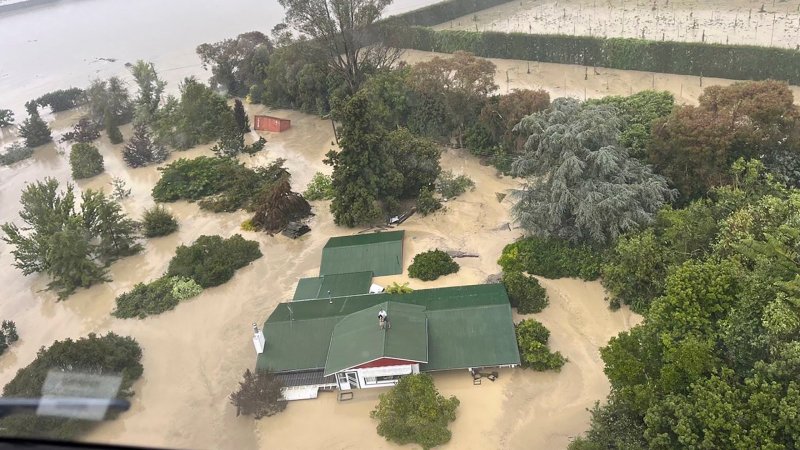
New Zealand should act early on major climate risks to significantly reduce its growing disaster recovery costs, the country’s Climate Change Commission said on Thursday.
The commission’s 2026 National Climate Change Risk Assessment identifies priority risk areas where targeted planning and investment would make the biggest difference. These include infrastructure, communities and safety, nature and the bioeconomy, as well as decisions and funding, News.Az reports, citing Xinhua.
New Zealand is already experiencing more frequent extreme weather events, with damaging storms now occurring weekly compared with monthly patterns around 15 years ago, Climate Change Commission Chief Executive Jo Hendy said in a statement.
“In the first few months of this year alone, we’ve seen just how devastating these hazards can be for people’s lives,” Hendy was quoted as saying.
RECOMMENDED STORIES
According to the assessment report, these hazards are placing increasing pressure on housing, transport networks, water systems, ecosystems, and emergency services.
Hendy noted that more than 500,000 buildings in New Zealand are currently exposed to inland flooding, with at least 235 billion New Zealand dollars (about 140 billion U.S. dollars) in assets at risk. The commission warned that delaying action could push costs into the billions and “affect every part of people’s lives.”
The report also highlighted an imbalance in government spending, with about 97 percent allocated to disaster response and only 3 percent directed toward resilience building.
The commission called for stronger national policy settings to support local adaptation efforts and a shift from recovery-focused spending toward long-term resilience, while continuing to contribute to global emissions reduction efforts.
“The release of this climate risk report highlights a serious disconnect between the threats that New Zealanders are already experiencing and our highly partisan responses by political leaders,” said Professor Bronwyn Hayward from the University of Canterbury.
Professor of Environmental Health Alex Macmillan from the University of Otago added that people are already experiencing the health impacts of an increasingly unstable climate, placing additional pressure on already stretched healthcare systems.
By Nijat Babayev


Similar news