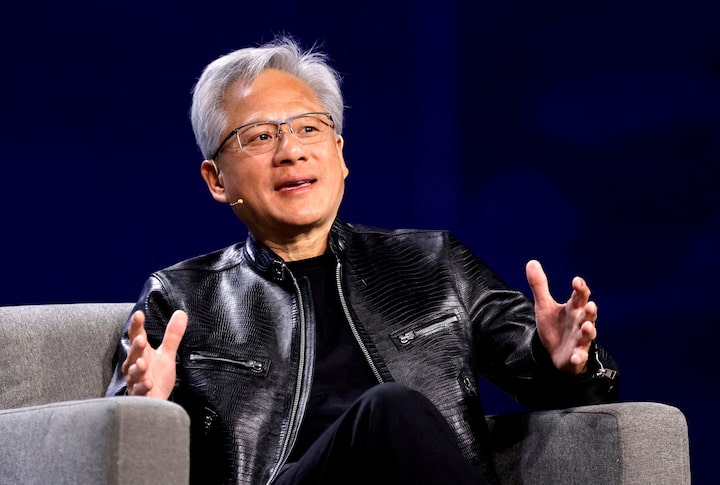
Speaking at an AI conference in San Francisco hosted by Cisco, Huang said AI systems are designed to work with existing software tools rather than replace them entirely. He argued that both humans and advanced AI systems naturally rely on tools to improve efficiency rather than rebuilding foundational technologies from scratch, News.Az reports, citing Reuters.
Huang’s comments came after a sharp selloff in software stocks worldwide. The market reaction was partly triggered by the release of an updated chatbot from AI developer Anthropic, which intensified concerns that AI could disrupt data, consulting and professional services industries.
RECOMMENDED STORIES
The selloff spread across global markets. In India, the Nifty IT index dropped more than 6%, with major tech services companies among the biggest losers. Software-related indexes in China also declined, while technology and research-related firms in Japan saw significant share price drops.
Despite market fears, Huang emphasized that recent breakthroughs in AI are actually centered on improving how systems use existing tools more effectively. He said software tools are explicitly designed to support complex operations, making them essential components of advanced AI ecosystems.
Industry analysts say the debate reflects a broader uncertainty about how AI will reshape the global technology sector. While automation is expected to change some job roles and workflows, many experts believe AI will likely augment software development and digital services rather than eliminate them.
The market reaction highlights how sensitive technology stocks remain to rapid developments in AI capabilities. Investors are increasingly trying to assess which companies will benefit from AI growth and which could face disruption.
For Nvidia, which produces key hardware used in AI systems worldwide, the continued expansion of both AI and software ecosystems is seen as critical for long-term industry growth.