Powering tomorrow – inside the global race for clean energy independence


The world is at a turning point in its energy journey. As nations accelerate the transition from fossil fuels to cleaner alternatives, a new global competition is unfolding — one focused on energy independence, technological sovereignty, and resilience, News.az reports.
This is no longer only about cutting emissions; it’s about who controls the clean-energy future.
Governments and corporations are rethinking priorities. A Siemens study of global executives found that energy resilience and independence now rank above climate goals. The reasons are clear: geopolitical risks have exposed supply-chain weaknesses, while the economics of renewables have become more compelling. Clean energy promises not just a greener planet, but greater control over national destiny.
China leads, others struggle to catch up
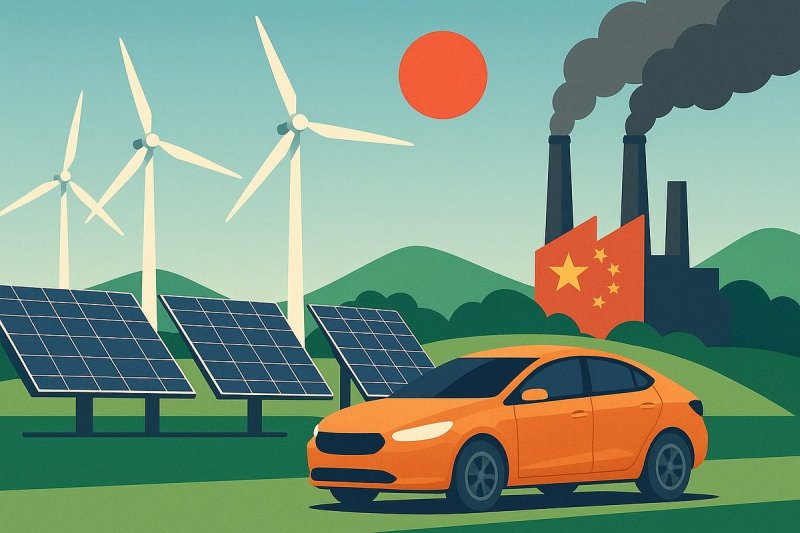
China currently leads this race. It accounts for roughly two-thirds of the world’s new renewable capacity, dominating solar-panel and battery production. The United States, despite major investments under the Inflation Reduction Act, faces challenges in maintaining industrial scale and critical-minerals access. Emerging economies, particularly within the BRICS bloc, are also asserting themselves — collectively responsible for more than half of global solar generation in 2024.
Technological domains have become the new battlegrounds. Green hydrogen is emerging as a key pillar for decarbonizing heavy industry and transport. China’s rapid expansion in electrolyser manufacturing gives it a strong advantage, while U.S. funding cuts risk slowing progress. Similarly, the race to secure lithium, nickel, cobalt, and rare earths is determining which nations will control future battery and renewable technologies.
Regional strategies and new opportunities
Regional responses vary widely. Europe is pushing forward through initiatives like REPowerEU to reduce gas dependency and strengthen supply chains. Gulf states are investing in green hydrogen and solar to diversify beyond oil. In Asia and Africa, vast renewable potential and demographic growth are attracting international investors.
For Central Asia and the Caspian region, rich in wind and solar resources, the opportunity lies in becoming clean-energy exporters and industrial hubs — but only if they can secure financing, technology, and partnerships. These regions could become pivotal in connecting East-West energy corridors while aligning with global decarbonization goals.
Challenges and the decade ahead
The path to clean-energy independence remains complex. The world still needs massive scale-up to meet rising power demand from AI, electric vehicles, and digitalization. Hydrogen remains expensive; policy uncertainty deters investment. Social and political resistance is also growing, as seen in Germany’s struggles with energy prices and transition costs. Supply-chain bottlenecks continue to expose vulnerabilities.
Over the next decade, the winners will be those who combine resource wealth, manufacturing strength, and stable policy. Building resilient clean-tech supply chains will determine not just who meets climate goals, but who defines the next phase of global industrial power. Energy independence, in this context, is no longer about owning fuel — it’s about mastering the technology and infrastructure that power tomorrow.


Similar news