Sudan: A country that no longer has a future


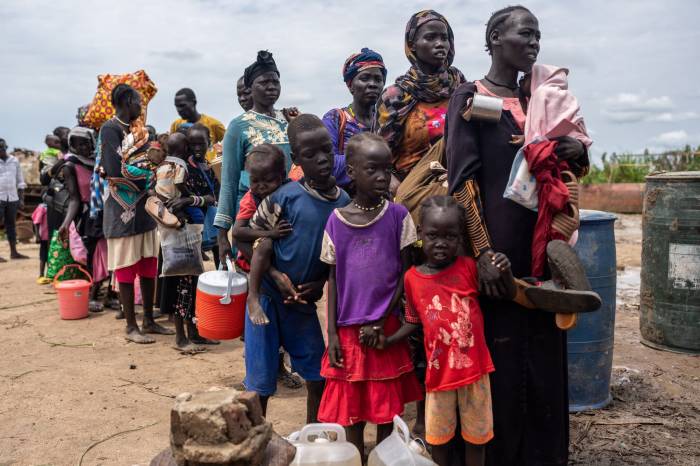
Sudan has found itself at the center of one of the largest humanitarian catastrophes in modern times. The conflict that began in April last year between the Sudanese Armed Forces (SAF) and the Rapid Support Forces (RSF) has led to immense human suffering. More than 12 million people were forced to leave their homes, many of them becoming refugees in other countries, fleeing violence and chaos that has engulfed their homeland. However, war is only part of the tragedy unfolding before the eyes of the world. Recent heavy rains and floods that have hit the country have exacerbated the situation, leaving millions of people in even more dire circumstances.
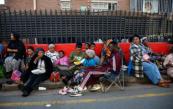
From the very beginning of the conflict between SAF and RSF, the civilian population of Sudan found itself at the epicenter of violence and destruction. Residents of many regions of the country were forced to flee their homes in haste, saving the lives of their loved ones. People lost everything: property, means of livelihood, and accumulated food supplies. For millions of Sudanese, a new life began, full of deprivation and uncertainty. In conditions of constant displacement—some families have had to change their place of residence three or four times—they have faced numerous challenges, including a lack of food and clean water, and the absence of basic sanitary conditions.
The situation with access to clean water and sanitation in camps for displaced persons remains critical. This not only creates additional hardships for people already affected by the conflict but also increases the risk of waterborne infections and other diseases. According to international humanitarian organizations, including the United Nations High Commissioner for Refugees (UNHCR), access to clean water remains one of the most pressing issues in camps for refugees and internally displaced persons.
The situation of children, who have become one of the most vulnerable groups in the context of conflict and natural disasters, is of particular concern. According to UNICEF, 18 million children in Sudan are deprived of the opportunity to attend school. This not only hinders their education but also puts their future at risk. In conditions of instability and multiple displacements, children lose access to education, which is an important factor in restoring normal life. Schools, which could serve as places of learning and social interaction, are often used as centers for displaced persons, further complicating the task of restoring the educational process.
UNICEF Representative in Sudan Sheldon Yett , speaking from Port Sudan, emphasized the importance of education for children in crisis situations. According to him, even remote classes can play a key role in maintaining a sense of normalcy for children who are deprived of the opportunity to attend school. Education gives children a sense of stability, which is so necessary in conditions of constant chaos and uncertainty. The restoration of schools and ensuring their proper function for education, rather than housing displaced persons, should become a priority in humanitarian aid efforts for Sudan.
Against the backdrop of the ongoing conflict, Sudan has faced yet another disaster—heavy rains and floods that have struck the country in recent weeks. These natural disasters have exacerbated an already dire situation. Floods have affected tens of thousands of people, including refugees in the eastern province of Kassala, many of whom recently arrived, fleeing violence in Sennar State. In some areas, such as the Shagarab refugee camp, hundreds of shelters have been destroyed, leaving people without a roof over their heads.
Floods have not only destroyed homes but also deprived people of their last means of livelihood. Flooded lands have made agriculture impossible, worsening the problem of hunger in regions already suffering from drought and violence. As a result of this conflict and natural disasters, millions of people find themselves in a situation where access to food and water has become virtually impossible. This has led to an increase in the level of malnutrition and a rise in cases of diseases associated with a lack of food and clean water.
Humanitarian organizations, such as UNHCR, are working under extreme circumstances to help those affected. Agencies are pre-positioning key relief items and shelter kits, cleaning drainage systems, and building dikes to protect against further flooding. However, with ongoing hostilities, delivering aid remains extremely difficult, especially in regions like Darfur, where floods are severely hindering the ability of humanitarian agencies to reach those in need.
The conflict and climate crisis have dealt a heavy blow to Sudan's agriculture. Crops have been destroyed, and floods have made farming impossible, worsening the problem of hunger in regions already suffering from drought and violence. With agricultural infrastructure destroyed, millions of people have been left without means of subsistence. This exacerbates the problem of widespread malnutrition and leads to a situation where many families face the threat of starvation.
In light of the escalating crisis, UNHCR has launched a regional appeal for nearly $40 million in aid. These funds are intended to provide assistance and protection to 5.6 million refugees, returnees, internally displaced persons, and local communities across East Africa, including Sudan. However, so far, only a small portion of the necessary funds has been raised—just $5 million—leaving millions of people in life-threatening conditions.
Sudan is facing one of the most severe humanitarian catastrophes in the world. Conflict, floods, and destroyed livelihoods have put the lives of millions of people at risk. The international community must take urgent action to prevent further deterioration of the situation and help millions of people survive in these conditions. Coordinated efforts are needed to provide humanitarian aid, restore infrastructure, and return people to normal life. Without this, Sudan risks sinking into an even deeper crisis, which could lead to new human tragedies and an even greater number of casualties.
From the very beginning of the conflict between SAF and RSF, the civilian population of Sudan found itself at the epicenter of violence and destruction. Residents of many regions of the country were forced to flee their homes in haste, saving the lives of their loved ones. People lost everything: property, means of livelihood, and accumulated food supplies. For millions of Sudanese, a new life began, full of deprivation and uncertainty. In conditions of constant displacement—some families have had to change their place of residence three or four times—they have faced numerous challenges, including a lack of food and clean water, and the absence of basic sanitary conditions.
The situation with access to clean water and sanitation in camps for displaced persons remains critical. This not only creates additional hardships for people already affected by the conflict but also increases the risk of waterborne infections and other diseases. According to international humanitarian organizations, including the United Nations High Commissioner for Refugees (UNHCR), access to clean water remains one of the most pressing issues in camps for refugees and internally displaced persons.
The situation of children, who have become one of the most vulnerable groups in the context of conflict and natural disasters, is of particular concern. According to UNICEF, 18 million children in Sudan are deprived of the opportunity to attend school. This not only hinders their education but also puts their future at risk. In conditions of instability and multiple displacements, children lose access to education, which is an important factor in restoring normal life. Schools, which could serve as places of learning and social interaction, are often used as centers for displaced persons, further complicating the task of restoring the educational process.
UNICEF Representative in Sudan Sheldon Yett , speaking from Port Sudan, emphasized the importance of education for children in crisis situations. According to him, even remote classes can play a key role in maintaining a sense of normalcy for children who are deprived of the opportunity to attend school. Education gives children a sense of stability, which is so necessary in conditions of constant chaos and uncertainty. The restoration of schools and ensuring their proper function for education, rather than housing displaced persons, should become a priority in humanitarian aid efforts for Sudan.
Against the backdrop of the ongoing conflict, Sudan has faced yet another disaster—heavy rains and floods that have struck the country in recent weeks. These natural disasters have exacerbated an already dire situation. Floods have affected tens of thousands of people, including refugees in the eastern province of Kassala, many of whom recently arrived, fleeing violence in Sennar State. In some areas, such as the Shagarab refugee camp, hundreds of shelters have been destroyed, leaving people without a roof over their heads.
Floods have not only destroyed homes but also deprived people of their last means of livelihood. Flooded lands have made agriculture impossible, worsening the problem of hunger in regions already suffering from drought and violence. As a result of this conflict and natural disasters, millions of people find themselves in a situation where access to food and water has become virtually impossible. This has led to an increase in the level of malnutrition and a rise in cases of diseases associated with a lack of food and clean water.
Humanitarian organizations, such as UNHCR, are working under extreme circumstances to help those affected. Agencies are pre-positioning key relief items and shelter kits, cleaning drainage systems, and building dikes to protect against further flooding. However, with ongoing hostilities, delivering aid remains extremely difficult, especially in regions like Darfur, where floods are severely hindering the ability of humanitarian agencies to reach those in need.
The conflict and climate crisis have dealt a heavy blow to Sudan's agriculture. Crops have been destroyed, and floods have made farming impossible, worsening the problem of hunger in regions already suffering from drought and violence. With agricultural infrastructure destroyed, millions of people have been left without means of subsistence. This exacerbates the problem of widespread malnutrition and leads to a situation where many families face the threat of starvation.
In light of the escalating crisis, UNHCR has launched a regional appeal for nearly $40 million in aid. These funds are intended to provide assistance and protection to 5.6 million refugees, returnees, internally displaced persons, and local communities across East Africa, including Sudan. However, so far, only a small portion of the necessary funds has been raised—just $5 million—leaving millions of people in life-threatening conditions.
Sudan is facing one of the most severe humanitarian catastrophes in the world. Conflict, floods, and destroyed livelihoods have put the lives of millions of people at risk. The international community must take urgent action to prevent further deterioration of the situation and help millions of people survive in these conditions. Coordinated efforts are needed to provide humanitarian aid, restore infrastructure, and return people to normal life. Without this, Sudan risks sinking into an even deeper crisis, which could lead to new human tragedies and an even greater number of casualties.
(If you possess specialized knowledge and wish to contribute, please reach out to us at opinions@news.az).


Similar news