Why does Spain want EU states to keep control over blocking foreign telecom providers?


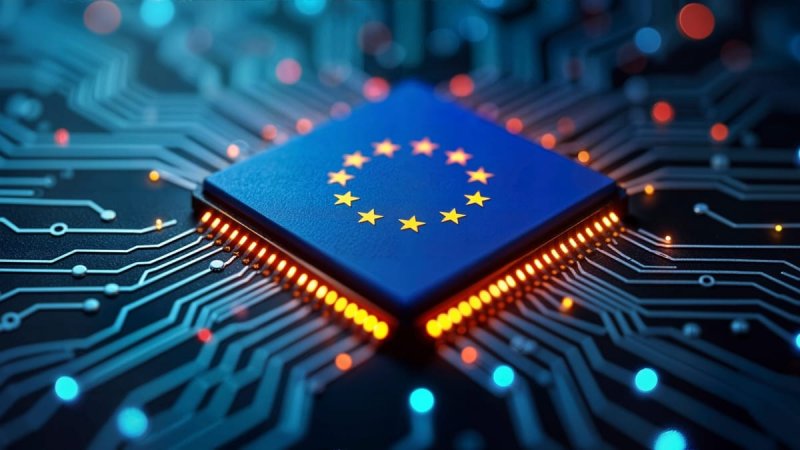
Spain is pushing for European Union member states to retain the authority to decide whether foreign telecommunications providers should be allowed to operate in their national markets. The debate has emerged amid growing concerns across Europe about cybersecurity, strategic infrastructure protection, technological sovereignty, and geopolitical competition.
The issue has become particularly sensitive as European countries continue reassessing the role of foreign vendors in next generation telecommunications networks, especially 5G infrastructure. Madrid argues that while the EU should coordinate digital policy and cybersecurity standards, individual governments must still have the final say over which foreign companies can participate in critical national networks, News.az reports.
Below is a detailed explainer on what Spain’s position means, why it matters, and how it could affect Europe’s telecom industry and international relations.
What exactly is Spain proposing?
Spain wants EU countries to preserve national decision making powers regarding whether foreign telecom providers can be restricted, excluded, or subjected to additional security requirements.
In practical terms, this means Madrid believes each member state should continue determining:
• Which telecom equipment suppliers are considered security risks
• Whether companies from outside the EU can participate in 5G and future digital infrastructure projects
• What level of access foreign firms should receive to sensitive communications systems
• How national security concerns should be balanced against market competition
Spain’s position reflects concerns that centralized EU level rules could reduce the flexibility of national governments in responding to their own security assessments.
Why is this issue becoming controversial now?
The debate is intensifying because Europe is entering a critical phase of digital infrastructure expansion.
European countries are investing billions of euros into:
• 5G networks
• Cloud infrastructure
• Artificial intelligence systems
• Data centers
• Quantum communication technologies
• Future 6G telecommunications systems
As these networks become more central to economic activity, governments increasingly view telecom infrastructure as a national security asset rather than simply a commercial industry.
The geopolitical environment has also changed significantly over the past decade. Concerns about cyber espionage, state influence operations, data access, and infrastructure vulnerabilities have made telecom security a strategic issue for governments worldwide.
Which foreign telecom providers are at the center of the debate?
Although policymakers often avoid naming specific firms directly in official discussions, the broader European debate has largely centered around Chinese telecom giants such as:
• Huawei
• ZTE
Several Western governments have argued that companies operating under foreign legal systems could potentially be compelled to cooperate with their home governments in intelligence or surveillance activities.
China and the companies themselves have repeatedly denied such allegations and insist that their technologies are secure and commercially competitive.
The debate is not limited to China alone. European policymakers are also discussing how to manage dependencies on any non EU supplier in strategically important sectors.
Why does Spain believe member states should retain this authority?
Spain’s argument is based on several major considerations.
National security remains a sovereign issue
Madrid believes telecommunications networks are directly connected to national defense, emergency response systems, public administration, financial infrastructure, and critical services.
Because security risks can differ from one country to another, Spain argues national governments are best positioned to assess threats and determine appropriate safeguards.
Different countries face different geopolitical realities
Not all EU countries have identical security concerns, technological capabilities, or diplomatic relationships.
Some countries may have:
• Different intelligence assessments
• Different levels of dependence on foreign technology
• Different domestic telecom market structures
• Different cybersecurity capacities
Spain argues a uniform EU approach could fail to reflect these differences.
Strategic autonomy concerns
European governments increasingly discuss the concept of “strategic autonomy,” meaning Europe should reduce excessive dependence on external powers in key industries.
Spain’s position suggests that member states should maintain tools to protect critical sectors when necessary.
What is the European Commission’s position?
The European Commission has generally encouraged stronger coordination across the bloc on telecom security and the reduction of high risk suppliers in critical infrastructure.
Brussels has promoted common cybersecurity standards and risk assessments through measures such as the EU 5G Toolbox, a framework designed to help member states identify and mitigate security threats.
However, implementation has varied widely across the EU.
Some countries have imposed strict restrictions on certain foreign vendors, while others have taken more flexible approaches.
The current debate reflects ongoing tensions between:
• EU wide harmonization
• National sovereignty
• Open market principles
• Security driven industrial policy
How have different EU countries approached foreign telecom providers?
EU member states have adopted very different strategies.
Some governments have moved aggressively to restrict foreign suppliers from core network infrastructure. Others continue using equipment from a broad range of international vendors.
Countries emphasizing stronger restrictions often cite:
• Cybersecurity risks
• Intelligence sharing concerns with allies
• Dependence on external technology ecosystems
Countries taking more moderate approaches frequently argue:
• Competitive pricing lowers infrastructure costs
• Faster network deployment benefits consumers
• Blanket restrictions could reduce market competition
• Evidence of wrongdoing has not been conclusively demonstrated
This divergence has complicated efforts to establish a fully unified EU telecom security policy.
How could Spain’s position affect the telecom market?
The implications could be significant for both European and global telecom industries.
Greater regulatory fragmentation
If member states maintain broad authority, telecom companies may face different rules in each EU country.
This could increase:
• Compliance costs
• Operational complexity
• Infrastructure planning uncertainty
Potential advantages for European suppliers
Restrictions on certain foreign providers could benefit European telecom firms such as:
• Nokia
• Ericsson
European governments have increasingly emphasized strengthening domestic and regional technology champions.
Higher infrastructure costs
Some telecom operators argue that limiting supplier choices can increase equipment prices and slow network deployment.
Replacing existing infrastructure from excluded vendors may also require major investments.
Supply chain diversification
Governments may encourage telecom operators to avoid over reliance on a single supplier or country, leading to broader diversification strategies.
What role does cybersecurity play in this debate?
Cybersecurity is at the heart of the discussion.
Modern telecom networks carry enormous amounts of sensitive information, including:
• Government communications
• Financial transactions
• Military coordination systems
• Emergency services traffic
• Personal consumer data
Security experts warn that vulnerabilities in telecom infrastructure could potentially allow:
• Espionage
• Data interception
• Service disruptions
• Sabotage during geopolitical crises
As digital infrastructure becomes more integrated into critical national systems, governments are treating telecom policy as part of broader national resilience planning.
How does this connect to wider global tensions?
The telecom debate reflects broader geopolitical competition between major global powers.
Technology has become a central arena for strategic rivalry involving:
• The United States
• China
• The European Union
• Other emerging technology powers
Western governments increasingly view control over advanced technologies as essential for economic competitiveness and national security.
Meanwhile, China has accused Western countries of politicizing trade and technology issues.
The telecom sector has therefore become intertwined with:
• Trade policy
• Security alliances
• Industrial policy
• Digital sovereignty
• Global supply chain competition
Could this influence Europe’s digital future?
Yes. The decisions made now could shape Europe’s technological trajectory for decades.
The EU faces several interconnected goals:
• Building secure digital infrastructure
• Remaining globally competitive
• Preserving open markets
• Reducing strategic vulnerabilities
• Accelerating digital transformation
Balancing these objectives is proving increasingly difficult.
Some policymakers prioritize security even at higher economic cost, while others emphasize maintaining competition and avoiding excessive market fragmentation.
What is the likely next step?
The debate will probably continue through negotiations between EU institutions and member states over future telecom regulations and digital security frameworks.
Possible outcomes include:
• Greater EU coordination while preserving national veto powers
• New common security screening mechanisms
• Expanded cybersecurity requirements for all vendors
• Increased investment in European telecom technologies
• Stronger monitoring of foreign participation in critical infrastructure
The issue is unlikely to disappear soon because telecommunications are now viewed not only as commercial infrastructure but also as a foundation of economic power, political stability, and national security.
Why does this matter for ordinary consumers?
Although the debate sounds highly technical, it can eventually affect everyday users in several ways.
Potential impacts include:
• The speed of 5G and future network rollouts
• Telecom service pricing
• Network reliability and resilience
• Data privacy protections
• Long term technological innovation
The decisions European governments make today about telecom security and supplier access could shape how citizens communicate, work, and access digital services for many years to come.
By Faig Mahmudov


Similar news