Tehran faces severe water shortages as Iran’s crisis deepens


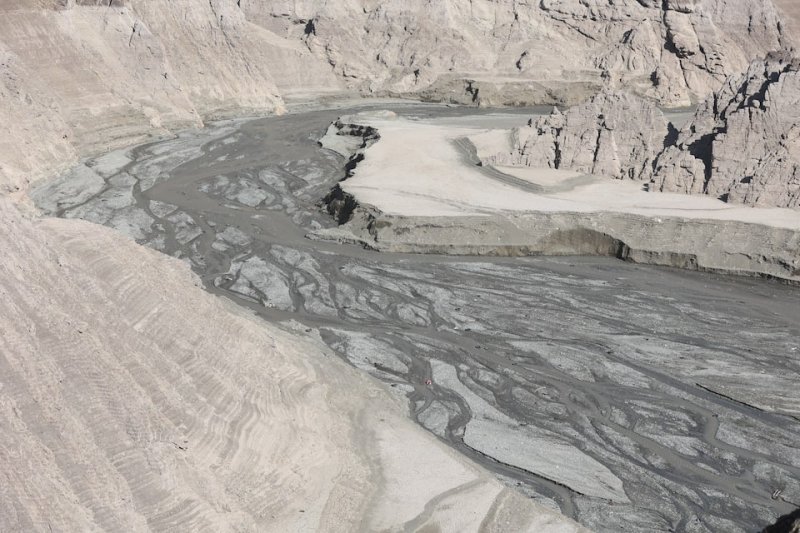
Iran is confronting its worst water crisis in decades, with officials warning that Tehran, home to over 10 million people, could become uninhabitable if rainfall does not arrive by December.
President Masoud Pezeshkian has cautioned that the government may need to begin rationing water in the capital. “Even if we do ration and it still does not rain, then we will have no water at all. Citizens may have to evacuate Tehran,” he said on November 6, News.Az reports, citing Reuters.
The crisis has been driven not only by low rainfall but also by decades of mismanagement, including overbuilding dams, illegal well drilling, and inefficient agricultural practices. Climate change and rising temperatures have further worsened the situation, accelerating evaporation and groundwater loss.
Tehran relies on five reservoirs fed by rivers outside the city, but inflows have sharply declined. The Amir Kabir Dam now holds just 8% of its capacity, while the city’s reservoirs overall are down nearly 50% from last year. At current consumption rates, officials warn the water supply could run dry within two weeks. State media confirmed that nightly water pressure reductions are being applied, and some districts could see water pressure drop to zero. Authorities are urging residents to install storage tanks and pumps.
The crisis extends beyond the capital. Across Iran, 19 major dams—about 10% of the country’s total—have effectively run dry. In Mashhad, the second-largest city with four million residents, water reserves have fallen below 3%. Families report living under constant strain, with limited water for daily needs, alongside rolling power outages.
Water shortages have sparked unrest in the past. In 2021, violent protests broke out in Khuzestan province, and sporadic demonstrations occurred in 2018, with farmers blaming the government for mismanagement. Citizens describe the situation as “one hardship after another,” with recurring shortages in water, electricity, and gas compounding economic struggles.
Officials continue to attribute the crisis to a mix of past government policies, over-consumption, and climate change, while the public criticizes the politicization and mismanagement of water resources. Temporary measures, including pressure reductions and water transfers from other reservoirs, are being applied, but experts warn these are stopgap solutions that may not prevent severe disruption.


Similar news