Trump files $5bn lawsuit against JPMorgan over debanking


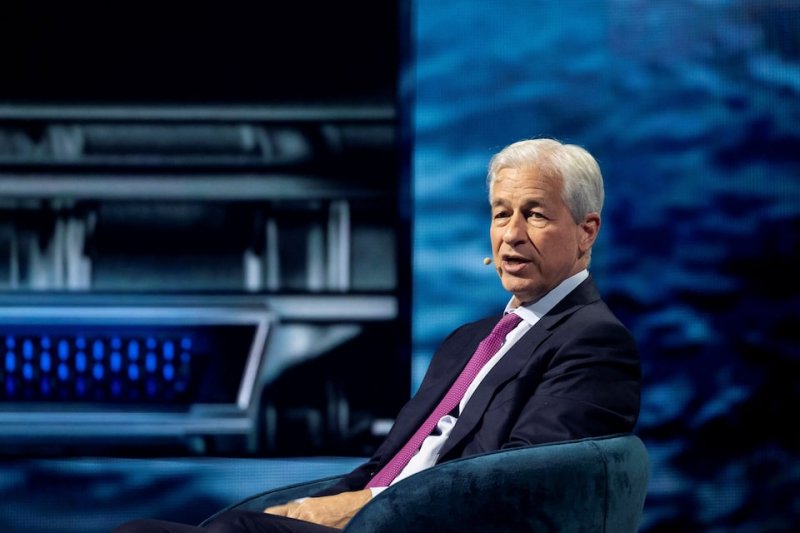
U.S. President Donald Trump has filed a $5 billion lawsuit against JPMorgan Chase and its CEO Jamie Dimon, accusing the bank of unfairly shutting down several of his accounts for political reasons, according to a complaint lodged in Florida state court.
The suit, filed in Miami-Dade County, claims the lender violated its own internal policies by singling Trump out and closing accounts linked to him and his hospitality businesses. Trump alleges the decisions were driven by what the complaint describes as a broader political agenda, rather than by standard risk controls, News.Az reports, citing Reuters.
JPMorgan rejected the allegations and said the case has no merit. The bank said it does not close accounts based on political or religious views, and argued that account closures typically relate to legal or regulatory concerns. In a statement responding to the lawsuit, JPMorgan said it respects Trump’s right to sue and the bank’s right to defend itself, while maintaining that the claims are unfounded.
Later the same day, Trump told reporters he had not spoken with Dimon about the lawsuit. He suggested regulators may have played a role in the bank’s actions, arguing that banks should not be allowed to do what he says happened in his case.
The lawsuit arrives as Trump has intensified criticism of large lenders over what conservatives describe as “debanking,” a term used for restricting or ending banking services. Trump has also targeted other financial institutions in public comments, including Bank of America, and has recently pushed for a 10% cap on credit card interest rates—an idea that has drawn pushback from the banking industry.
Dimon addressed the proposed rate cap earlier this week at the World Economic Forum, warning that limiting credit card interest rates could reduce access to credit and harm consumers, calling the policy economically damaging. At the same time, banking executives have broadly welcomed the administration’s deregulatory tone, saying reduced red tape could support profits and growth.
In the complaint, Trump also accuses JPMorgan and Dimon of creating a “blacklist” intended to discourage other banks from working with the Trump Organization, the Trump family, and Trump himself. The suit argues that the alleged account closures caused reputational damage by forcing Trump and related entities to seek new financial relationships under pressure.
JPMorgan, however, said it closes accounts when they create legal or regulatory risk for the firm, adding that banks can be compelled to act based on rules and supervisory expectations—even if that means ending client relationships.
Market reaction was muted. JPMorgan shares closed up about 0.5% on Thursday and were flat in premarket trading Friday.
The case also echoes other litigation tied to similar claims. Capital One has sought to dismiss a lawsuit filed last year by several plaintiffs tied to Trump, including his son Eric Trump; that case remains pending.
The broader “debanking” debate has been building for years, especially among conservatives who say banks have discriminated against certain customers and industries. Pressure has increased during Trump’s second term, with Republicans arguing that banks have restricted services to political figures and to industries that have become politically contested.
Regulators have been reviewing the issue as well. In December, the Office of the Comptroller of the Currency said the largest U.S. banks had restricted services to certain industries over a multi-year period, citing patterns from 2020 to 2023. The agency said it found banks sometimes refused services or applied heightened scrutiny to sectors including oil and gas, crypto, tobacco and e-cigarettes, and firearms, often tied to publicly disclosed policies and environmental, social, and governance goals. The OCC said it is continuing to review a large number of complaints.
Meanwhile, regulators have also begun stepping back from “reputational risk” as a supervisory factor—an approach critics said was too vague and allowed wide discretion. Banks have also urged updates to anti-money laundering rules, which they say can force account closures without detailed explanations.
For now, Trump’s lawsuit sets up a high-profile courtroom fight with the nation’s largest bank, landing in the middle of an already heated political and regulatory argument over how—and why—banks decide to cut off customers.
By Aysel Mammadzada


Similar news