Trump proposes $100M tariffs on movies and TV shows produced abroad


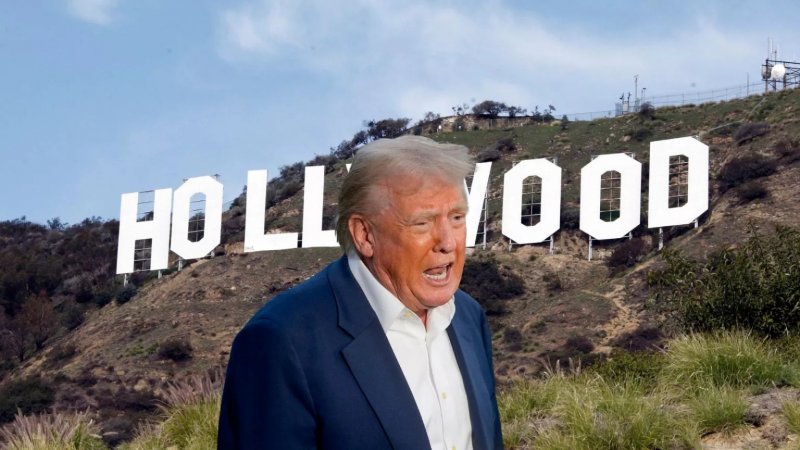
President Donald Trump announced on Sunday that he is initiating the process of imposing 100 percent tariffs on any films produced outside of the United States.
The Trump trade war is now moving on from industry to intellectual property, which could have a massive impact on an industry that often produces work across several countries, News.Az reports citing The Independent.
“The Movie Industry in America is DYING a very fast death,” Trump claimed on Truth Social on Sunday night. “Other Countries are offering all sorts of incentives to draw our filmmakers and studios away from the United States. Hollywood, and many other areas within the U.S.A., are being devastated.”
The president argued that it was an issue of national security and propaganda.
“This is a concerted effort by other Nations and, therefore, a National Security threat,” he said. “It is, in addition to everything else, messaging and propaganda!”
“Therefore, I am authorizing the Department of Commerce, and the United States Trade Representative, to immediately begin the process of instituting a 100% Tariff on any and all Movies coming into our Country that are produced in Foreign Lands,” he added. “WE WANT MOVIES MADE IN AMERICA, AGAIN!”
It remains unclear how such a tariff would work and whether it would be applied only to theatrical releases or also include streaming, as well as how it would differentiate between movies and TV shows.
Movie producers have more often chosen to film in low-cost production locations as Hollywood blockbusters get more and more expensive.
One union said Trump’s tariffs could be a “knock-out blow” to the industry, with many filmmakers having left the U.S. for countries such as the U.K. and Canada as they try to lower production costs.
The U.K. Media Union Bectu issued the warning, with boss Philippa Childs telling the BBC: “The government must move swiftly to defend this vital sector, and support the freelancers who power it, as a matter of essential national economic interest.”


Similar news