Turkish Air Force C-130 crash: What investigators found so far


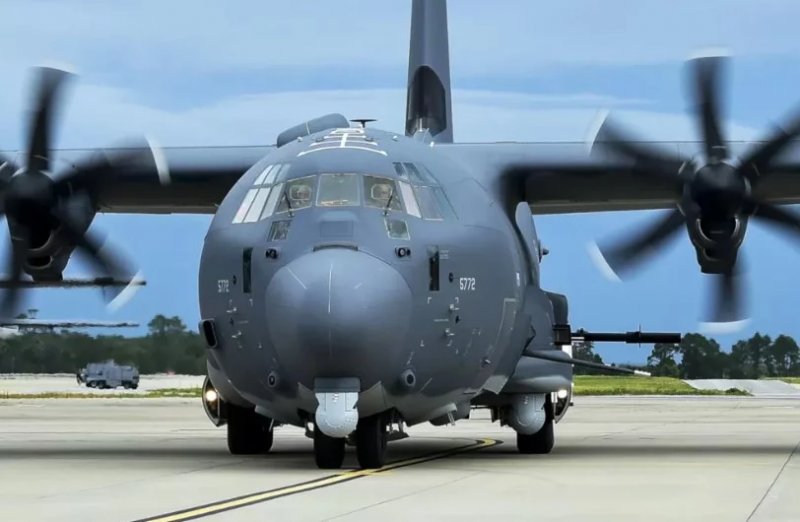
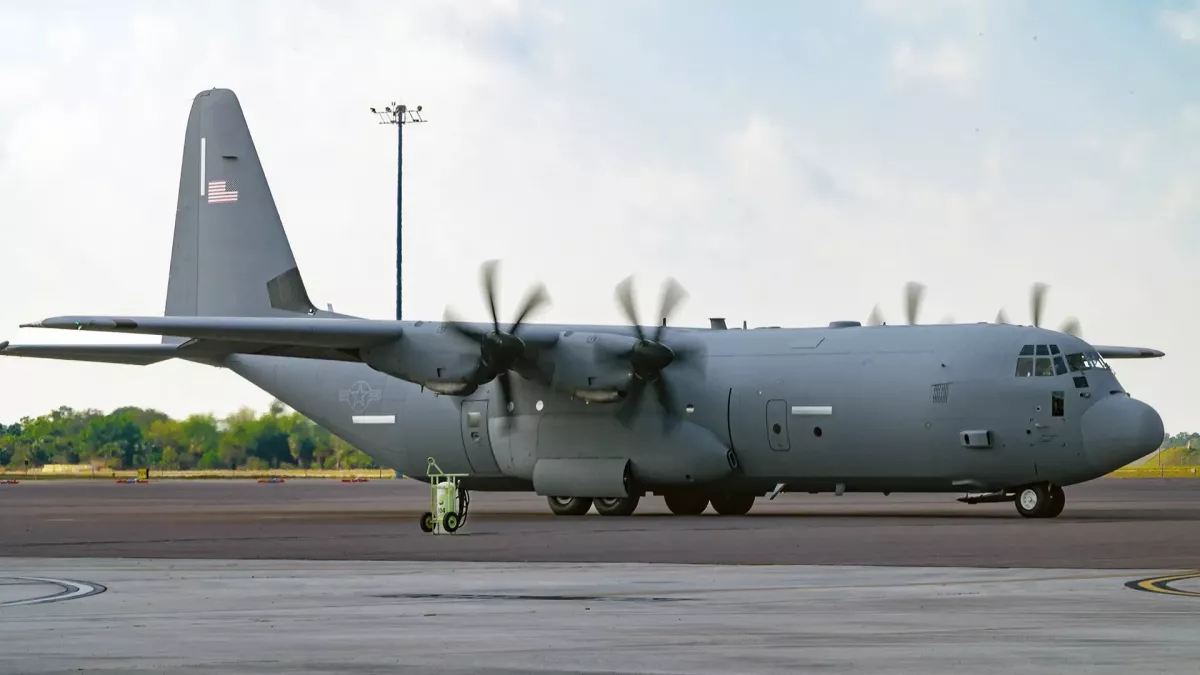
At least 20 Turkish service members were killed after a Turkish C-130 military transport aircraft flying from Azerbaijan to Türkiye crashed over Georgian territory, five kilometers from the Azerbaijani border, on Tuesday. Immediately after the incident, Turkish and Georgian authorities launched search-and-rescue efforts and a joint investigation, while Azerbaijani officials offered full support.
Preliminary information obtained by Caliber.Az indicates that the aircraft spent about two hours at Ganja Airport before departure. During that time, there were no recorded incidents, attempts to approach the aircraft, or signs of interference. On board were members of a technical team responsible for servicing the F-16 fighter jets that took part in the November 8 military parade in Baku marking the fifth anniversary of Azerbaijan’s victory in the Second Karabakh War. All standard security procedures were completed before boarding, News.Az reports.
The aircraft was also transporting mechanical spare parts for the F-16s. According to available data, there were no explosives on board.
A preliminary inspection of the wreckage found no signs of external impact. For comparison, when an AZAL passenger aircraft was previously shot down over Russia in December 2024, penetrating damage to the fuselage was immediately visible. No such traces were found this time, increasing the likelihood of a technical cause.
Two main theories are currently being examined.
The first concerns the aircraft’s age. The C-130 had been in service for many years and underwent major repairs in 2020. Investigators are assessing whether corrosion could have caused the failure of structural panels or joints — a scenario seen before, including in a similar U.S. case linked to corrosion damage.
Source: Caliber
The second version relates to the cargo. If containers or individual parts were not properly secured, they may have shifted during the flight and struck internal fuselage components. Such an impact could have caused structural deformation, potentially leading to a loss of integrity and control.
Finding the flight recorders is not expected to be challenging. The aircraft crashed on flat terrain rather than in mountains or forested areas, meaning data on flight parameters and cockpit audio should be recovered soon.
The investigation is being jointly conducted by Georgia and Türkiye. Azerbaijan has offered full support to its ally from the first minutes after the crash, which officials described as another example of close cooperation.
Global record of C-130 crashes
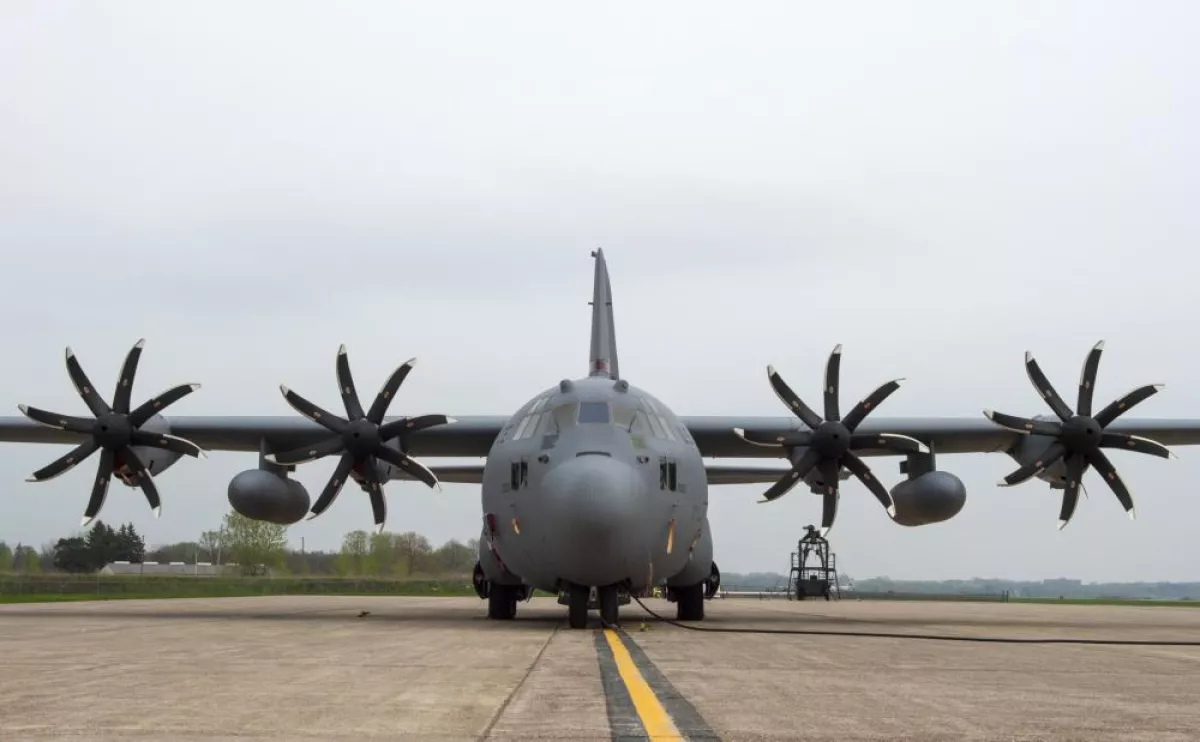
The C-130 has been in service for more than 60 years in a wide range of military and civilian variants. Over that time, several serious incidents have been recorded worldwide. According to open sources, the most notable include:
-
September 2, 1958 – A U.S. C-130 was shot down over Soviet airspace near Yerevan; 17 killed.
-
May 27, 1961 – At Ramstein Air Base, a C-130 was damaged on landing after an engine failure; no casualties.
-
February 15, 1971 – At McMurdo Station, Antarctica, a U.S. Navy LC-130F was damaged while taxiing when a wing hit a snowbank; no injuries.
-
March 28, 1972 – A U.S. AC-130A was shot down over Laos by a surface-to-air missile; casualties unconfirmed.
-
June 28, 1983 – North of Nellis Air Force Base, a U.S. C-130 lost lift during a low-altitude maneuver and crashed; casualty data unknown.
-
October 14, 1987 – A Zimex Aviation L-100-30 was shot down shortly after takeoff in Angola; casualty data unavailable.
-
October 5, 1991 – An Indonesian Air Force C-130 crashed near Jakarta after an engine fire on takeoff; 133 killed.
-
September 26, 1992 – A Nigerian C-130 crashed near Lagos after multiple engine failures; 159 killed.
-
February 26, 1996 – A Sudanese Air Force C-130 crashed near Jabal Awliya; 91 killed.
-
February 11, 2014 – An Algerian Air Force C-130 crashed at Aïn Kercha in bad weather; 77 killed.
-
June 30, 2015 – An Indonesian KC-130B crashed into a residential area in Medan after an engine failure; 122 killed, 17 on the ground.
-
October 2, 2015 – A U.S. C-130J crashed on takeoff near Jalalabad, Afghanistan; 14 killed.
-
May 2016 – An Indonesian Air Force C-130 suffered an operational accident near Medan; no casualties.
-
September 29, 2020 – A U.S. KC-130J collided midair with an F-35 over Thermal, California; crew survived.
-
July 4, 2021 – A Philippine Air Force C-130 crashed while attempting to land on Jolo Island; 50 killed, three on the ground.
-
July 29, 2023 – A Colombian Air Force C-130 sustained damage in an operational incident; no fatalities.
-
November 11, 2025 – A Turkish Air Force C-130 suffered in-flight structural failure on the Türkiye–Georgia border; investigation ongoing, around 20 people reported on board.
Source: Caliber
Global data show that most C-130 crashes are linked to technical malfunctions, engine failures, pilot error, overloading, or structural fatigue. There have also been cases of in-flight fuselage rupture and crashes during training flights.
The final conclusion in the latest crash will come after investigators analyze the flight recorders and examine the wreckage. Since the aircraft went down on open terrain, the investigation is progressing without major obstacles. Once the black boxes are decoded, experts will be able to determine speed, altitude, engine performance, and cockpit actions in the final seconds, allowing them to establish the precise cause of the tragedy.


Similar news