What will happen after the EU elections?


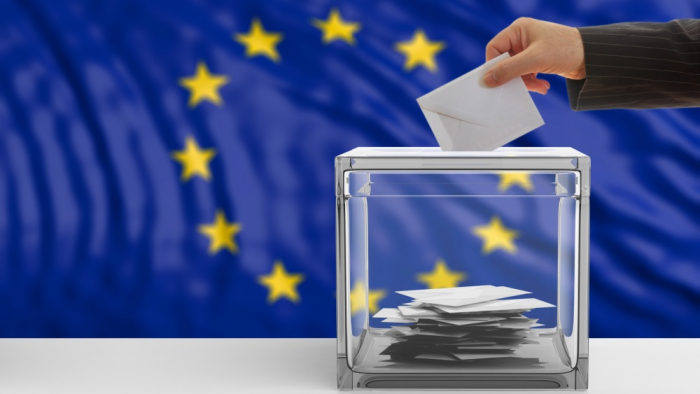
European elections are a crucial event where citizens of EU countries elect their representatives to the European Parliament. Between June 6th and 9th, depending on the country, voters cast their ballots for political parties, each representing a specific ideology.
Key numbers:720 Members of the European Parliament
27 Commissioners
27 EU Member States
How are seats allocated?
Seats in the European Parliament are allocated proportionally based on the votes cast for parties at the national level. These national parties then form political groups in the European Parliament. Currently, there are seven groups, including Social Democrats, Greens, Liberals, Christian Democrats, and others.
What happens after the vote?
After the European Parliament elections, the process of forming the European Commission begins. This involves two main bodies: the European Parliament and the European Council. Depending on the election results, parties propose their candidates for the position of President of the European Commission.
In 2014, Jean-Claude Juncker became President of the European Commission thanks to the Spitzenkandidat system, where the leading candidate of the winning party automatically becomes the candidate for the position. In 2019, Ursula von der Leyen was chosen as President of the European Commission, despite Manfred Weber being the leading candidate.
National elections also play a significant role in forming the European Commission, as commissioners are appointed by member countries and approved by the European Parliament. The political affiliations of commissioners often align with the ruling parties of their countries.
European Parliament elections, national elections, and the appointment process for the European Commission collectively shape the leadership structure of the EU and influence its policies. Changes in the composition of these institutions mean changes in what the EU does.


Similar news