Why earthquakes remain a constant threat in Asia


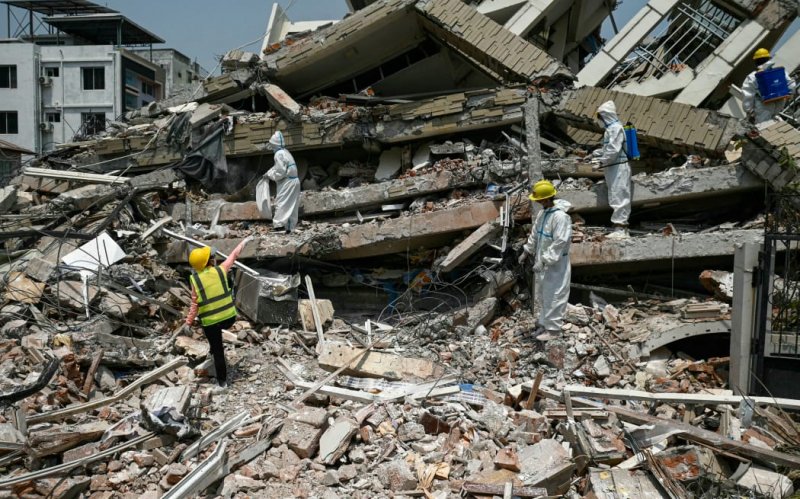
Earthquake activity across Asia remains persistent in 2026, reflecting the region’s position along some of the most active tectonic boundaries on Earth. From South Asia to East Asia and the Pacific Rim, seismic events continue to affect millions of people, highlighting the need for sustained preparedness and resilient infrastructure.
In South Asia, the collision between the Indian and Eurasian plates continues to shape the Himalayan region, making countries like Nepal, India and Pakistan particularly vulnerable to earthquakes. This ongoing geological process not only forms mountains but also stores massive amounts of energy that can be released suddenly as seismic shocks.
Central Asia and parts of China also experience earthquakes due to complex fault systems and crustal deformation. These inland quakes, while sometimes less frequent than those along coastal subduction zones, can still cause significant damage due to shallow depths and population exposure.
Recent patterns and ongoing activity
Data from 2026 indicates a steady occurrence of moderate to strong earthquakes across various parts of Asia. While many events remain below the threshold of widespread destruction, clusters of tremors in regions such as Southeast Asia and Central Asia demonstrate ongoing tectonic stress.
Seismologists note that earthquake activity often appears in sequences, including aftershocks that can continue for days or weeks after a larger event. These patterns can complicate recovery efforts and prolong risks for affected communities.
Although no single trend suggests a dramatic global increase in earthquakes, the continued frequency of events in Asia reinforces the region’s long-standing seismic exposure. Scientists emphasize that earthquakes cannot be predicted with precision, but monitoring systems have improved significantly in detecting early signals and issuing alerts.
Human impact and vulnerability
The impact of earthquakes in Asia varies widely depending on factors such as building standards, population density and emergency preparedness. Urban areas with older infrastructure or rapid, unplanned development are particularly at risk.
In several recent cases, even moderate earthquakes have caused damage to homes, roads and utilities, while stronger events have led to casualties and displacement. Mountainous regions are also prone to secondary hazards such as landslides, which can block roads and isolate communities.
Rapid urbanization across Asia has increased the number of people living in high-risk zones. As cities expand, ensuring that buildings meet seismic safety standards has become a critical challenge for governments and planners.
Advances in monitoring and preparedness
Across the continent, investments in seismic monitoring and early warning systems are helping reduce the risks associated with earthquakes. Countries like Japan have developed advanced alert systems capable of providing seconds of warning before strong shaking begins, allowing people to take protective action.
Public awareness campaigns, emergency drills and improved building codes are also playing a role in strengthening resilience. In earthquake-prone regions, preparedness measures such as securing structures, creating evacuation plans and educating communities can significantly reduce casualties.
However, gaps remain, particularly in developing regions where resources for infrastructure upgrades and disaster response are limited. Bridging these gaps is essential as seismic risks continue.
Looking ahead
Earthquake activity in Asia is expected to remain a constant feature of the region’s natural environment. While science continues to advance in understanding tectonic processes, the unpredictable nature of earthquakes means that preparedness and adaptation remain the most effective defenses.
As 2026 data shows ongoing seismic movement across multiple regions, experts stress the importance of long-term planning, resilient construction and international cooperation in disaster risk reduction. With millions of people living in earthquake-prone areas, strengthening resilience is not only a regional priority but a global one.
By Nijat Babayev


Similar news