Diplomatic gamble: Is the U.S. ready to end its confrontation with Russia?


Editor's note: Stanislav Tkachenko, Doctor of Economics and Professor at St. Petersburg State University. The article expresses the personal opinion of the author and may not coincide with the view of News.Az.
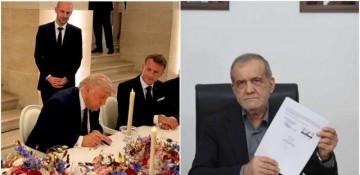
The recent phone call between the presidents of Russia and the United States marks a potential turning point in bilateral relations—one that could reshape the global order if both sides are willing to commit to real diplomacy. The conversation signaled a departure from the decades-long U.S. strategy of containment and hostility toward Moscow. Instead, Washington now appears to be seeking a pragmatic approach—one that acknowledges Russia as a necessary partner rather than a geopolitical adversary to be neutralized. This shift is not just rhetoric.
The two leaders focused on areas of cooperation that are less politically charged, deliberately avoiding contentious issues like Ukraine and NATO expansion. This pragmatic recalibration, if sustained, could pave the way for a future where U.S.-Russia ties are no longer dictated by Cold War reflexes. However, skepticism remains warranted. Washington has a long history of attempting to redefine its relations with Moscow, only to revert to confrontation when geopolitical interests diverge. The key question now is whether this thaw represents a genuine strategic shift or merely a tactical maneuver by the U.S. administration to manage multiple global crises.
The ceasefire dilemma: Can Washington control Kyiv?
One of the most telling aspects of this new approach is how the U.S. navigates the issue of a 30-day ceasefire in Ukraine. Negotiations in Saudi Arabia this weekend will be a critical test. The presence of Secretary of State Marco Rubio and Russian Foreign Minister Sergey Lavrov suggests that both sides are taking this dialogue seriously. But can the Trump administration—or any future U.S. leadership—ensure that Kyiv abides by any agreement reached? The reality is that Ukraine’s leadership, as well as many European governments, view a ceasefire as a strategic loss.
Their entire policy framework has been built around inflicting a decisive defeat on Russia, with no real contingency plan for what happens if that strategy fails. The Ukrainian leadership’s reluctance to negotiate—unless on its own terms—raises serious doubts about the feasibility of enforcing any truce. There is, of course, an alternative path: a political transformation within Ukraine. A shift toward pragmatic leadership in Kyiv could open the door to a negotiated settlement. But for now, such a development remains unlikely. The current government appears unwilling to accept that prolonging the war will not bring victory—only further devastation.
The future of U.S. military aid: A defining moment
Another critical issue is whether Washington is truly ready to curb its military support for Ukraine. The Biden administration committed tens of billions of dollars to Kyiv, but with political dynamics shifting in the U.S., further aid packages may not be guaranteed. The real test will be whether Washington halts deliveries of already approved and funded military supplies. Europe, meanwhile, is preparing for a prolonged confrontation with Russia.
Military production is ramping up, and defensive lines are being built along the borders of Russia and Belarus. France and the UK have openly discussed nuclear deterrence in their strategic planning. These actions suggest that key European players are not preparing for peace—they are preparing for war. Much now hinges on Donald Trump’s stance. If he withstands pressure from European allies and remains committed to improving U.S.-Russia relations, then Western military aid to Ukraine could dry up within a year. Without active American involvement, European countries lack the logistical and financial capacity to sustain Kyiv’s war effort indefinitely.
Strategic stability: The true measure of U.S.-Russia relations
The broader question is whether this shift in rhetoric will translate into tangible changes in global security. The key indicator will be the fate of the New START treaty, which is set to expire next year. If Washington and Moscow agree to extend it—and bring China into nuclear arms control discussions—it would mark a major step toward restoring strategic stability. Such an agreement would signal a shift away from the current cycle of escalation and toward a framework for reducing nuclear risks and preventing regional conflicts.
The alternative—a continued breakdown of arms control agreements—would accelerate the drift toward a more unstable, multipolar world. Ultimately, the future of U.S.-Russia relations depends on whether Washington is truly willing to abandon its previous strategy of containing Moscow. A shift toward genuine cooperation could reshape the geopolitical landscape for decades. But history suggests caution. Too often, diplomatic resets have been fleeting, overshadowed by deep-seated strategic distrust. Whether this moment represents a new chapter or just another illusion remains to be seen.
(If you possess specialized knowledge and wish to contribute, please reach out to us at opinions@news.az).


Similar news