DRC: A crisis the world can’t ignore


For far too long, the Democratic Republic of the Congo (DRC) has been a forgotten crisis on the global stage, overshadowed by conflicts that are deemed more politically expedient for Western engagement.
Despite having some of the richest natural resources in the world, including vast deposits of gold, diamonds, and coltan (a key mineral for electronic devices), the DRC has remained in a perpetual state of conflict, corruption, and humanitarian catastrophe. But the recent escalation of violence, particularly the resurgence of the M23 rebel group, demands urgent attention and a recalibration of international policy before the crisis spirals further out of control.
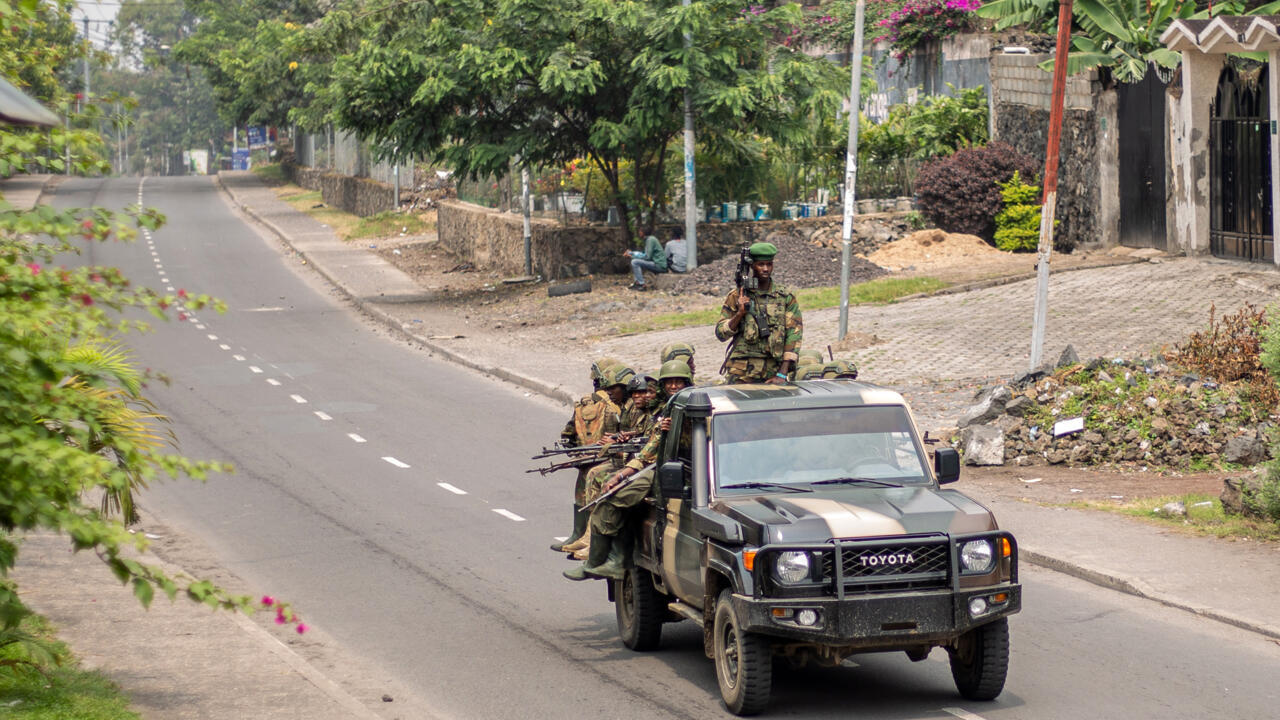
Between January 26 and 30, the city of Goma in eastern DRC witnessed some of the deadliest clashes in recent history. Over 700 lives were lost, with nearly 2,800 more wounded in battles that have left the region in chaos. The conflict has forced thousands of civilians to flee their homes, creating yet another wave of displacement in a country already hosting one of the world’s largest internally displaced populations. On January 28, M23 rebels seized Goma’s airport, not only disrupting critical humanitarian supply routes but also intensifying the suffering of civilians who have already endured decades of instability, poverty, and violence. Meanwhile, on February 3, a devastating fire at a prison in the country killed over 160 individuals, including nearly 30 children—another harrowing testament to the state’s systemic dysfunction and its inability to protect its citizens.
The international community has reacted with predictable expressions of concern, but statements alone will not change the situation on the ground. The DRC is at a breaking point, and continued inaction will only embolden militant groups, deepen the humanitarian crisis, and further destabilize the region. This moment demands not only attention but meaningful, strategic intervention. It is time for a serious reckoning with the factors that have allowed this crisis to persist for decades and an honest assessment of what must be done to address it before it becomes an even greater catastrophe.
The March 23 Movement (M23) emerged in 2012 after a failed peace agreement between the DRC government and the National Congress for the Defense of the People (CNDP). The group, composed primarily of ethnic Tutsi fighters, has long claimed to be advocating for the protection of their communities against both local and foreign threats. However, their actions paint a different picture—one of violence, forced displacement, and a ruthless pursuit of territorial control that has only exacerbated human suffering.
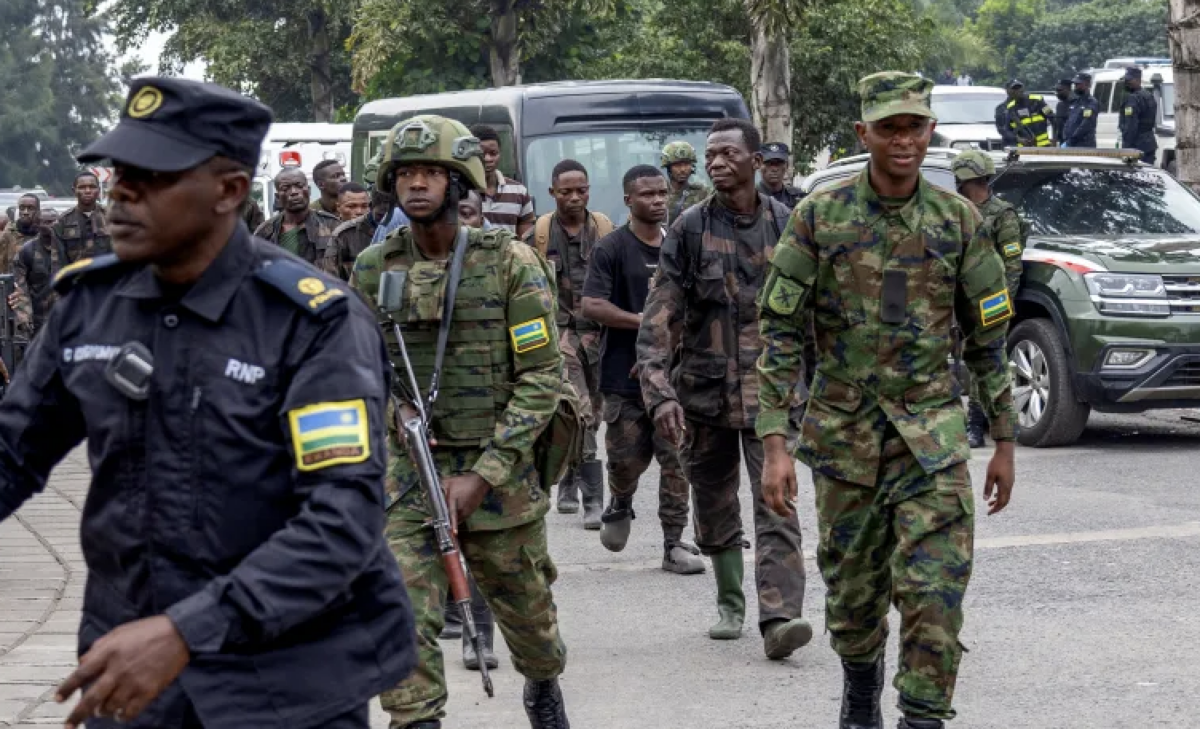
Despite international condemnation, M23 has proven resilient, in part due to alleged backing from Rwanda and Uganda, both of whom deny involvement but have long been accused of fueling instability in the DRC for strategic and economic gains. The mineral-rich eastern regions of the country are particularly valuable, and armed groups have often exploited this wealth to fund their operations, creating a vicious cycle of conflict and resource plunder. The allegations against Rwanda have been particularly persistent, with reports suggesting that Kigali views M23 as a useful proxy force to counter perceived threats from other militant groups operating in the region.
While regional leaders engage in diplomatic maneuvering, the reality on the ground remains dire: mass killings, the recruitment of child soldiers, and the systematic displacement of entire communities. The humanitarian cost is staggering, with millions left without access to basic necessities, including clean water, food, and medical care. International aid organizations are struggling to provide assistance in a highly insecure environment, and the lack of decisive action from global powers has only emboldened M23 and other militant groups.

The international response to the DRC’s crisis has been tepid at best. While the United Nations has maintained a peacekeeping presence in the country through MONUSCO (the United Nations Organization Stabilization Mission in the Democratic Republic of the Congo), its effectiveness has been hamstrung by bureaucratic inefficiencies, limited funding, and a lack of political will. The African Union, too, has failed to take decisive action, often deferring to diplomatic overtures that yield little tangible progress. Meanwhile, Western governments—so quick to mobilize in conflicts where their geopolitical interests are at stake—have largely relegated the Congo to the periphery of their foreign policy concerns.
This apathy must end. The DRC’s crisis is not just a regional problem; it is a global one. Continued instability threatens to spill over into neighboring countries, fueling broader conflicts and exacerbating refugee crises. The world must push for a robust and coordinated strategy—one that includes stronger diplomatic pressure on regional actors, targeted sanctions against those enabling rebel groups, and a substantial increase in humanitarian aid to support those caught in the crossfire.
Furthermore, there must be a renewed focus on addressing the root causes of the conflict. This includes tackling the illegal exploitation of natural resources, strengthening state institutions to provide better governance, and fostering genuine peace negotiations that include all key stakeholders. The cycle of conflict in the DRC will not be broken until there is a concerted effort to dismantle the economic and political structures that sustain it.
The people of the DRC deserve more than hollow rhetoric. They deserve meaningful action. The question is: Will the world finally listen, or will it once again turn away?
For too long, global leaders have allowed the suffering of millions to continue unchecked, offering only token gestures of concern while failing to implement policies that could bring lasting change. If the DRC is to have any chance of stability, the international community must step up—not just in words, but in deeds. This means ensuring accountability for those fueling the conflict, providing urgent humanitarian assistance, and working towards a long-term solution that prioritizes peace and development over profit and political expediency.
The current crisis presents a pivotal moment for the world to reassess its approach to the DRC. Ignoring it will not make it disappear. Instead, continued inaction will only deepen the suffering, embolden those who thrive on instability, and ensure that the cycle of violence continues for yet another generation. It is time to break that cycle. The world must act, and it must act now.
(If you possess specialized knowledge and wish to contribute, please reach out to us at opinions@news.az).


Similar news