French government collapses: What’s next for the country?


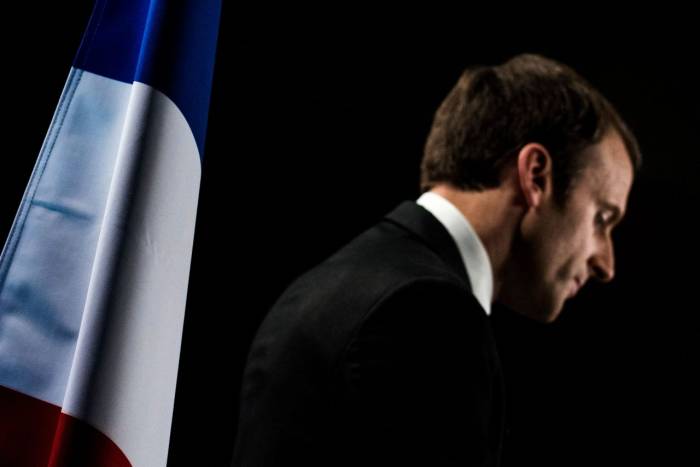
Photo: Jeff Pachoud/AFP via Getty Images
France's political landscape has taken center stage following the collapse of Prime Minister Michel Barnier's government in the wake of a no-confidence vote. This dramatic event marks the culmination of months of political instability triggered by the controversial use of Article 49.3 of the Constitution to pass the budget without parliamentary approval. With a fragmented parliament and growing public dissatisfaction, the future of France appears increasingly uncertain.
Prime Minister Michel Barnier faced a no-confidence motion spearheaded by the left-wing coalition "New People's Front" and the far-right National Rally. These ideologically opposing forces united in their discontent over the government's reliance on a constitutional mechanism to bypass parliamentary consent, viewing it as a threat to democratic institutions.The consequences of the government's collapse extend far beyond a mere cabinet reshuffle. A caretaker administration now assumes power, limited in its authority and focused solely on day-to-day operations. This situation slows legislative processes and diminishes France’s ability to address both domestic and international challenges effectively. Additionally, the crisis has eroded trust in the nation's institutional framework, potentially jeopardizing long-term stability.
President Emmanuel Macron now faces the daunting task of identifying a compromise candidate for the prime ministerial role. The absence of a clear majority in the National Assembly complicates this process, which previously took Macron two months to finalize.
Potential candidates include Minister of Armed Forces Sébastien Lecornu, MoDem party leader François Bayrou, and left-wing representative Lucie Castet. Each, however, encounters significant hurdles, from insufficient parliamentary backing to doubts about their ability to navigate the current challenges. Analysts emphasize that the success of any new prime minister will hinge not on their personality but on a program capable of addressing the crisis head-on.
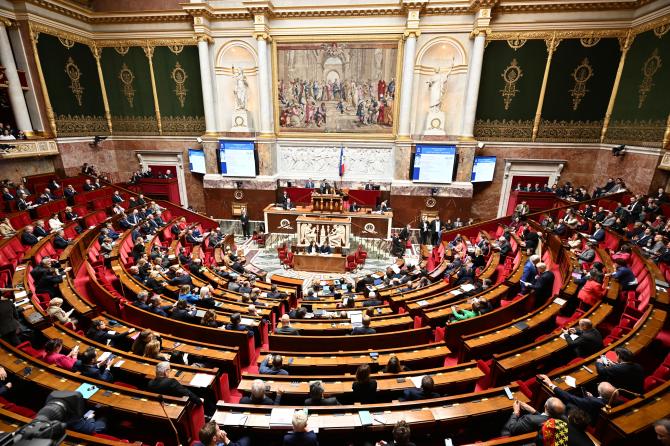
Lawmakers convene at the National Assembly during a debate and before the no-confidence vote. Photo: Getty Images
The crisis represents a formidable threat to Emmanuel Macron's presidency. His approval ratings continue to plummet, with recent polls showing only 22% of French citizens satisfied with his leadership. This dissatisfaction fuels opposition sentiment, including calls for his resignation.
Despite this, Macron has indicated his intent to remain in office until his term ends in 2027, arguing that stepping down would exacerbate political instability. To restore public trust, however, he must adopt a more inclusive and dialogue-oriented governance approach.
One of the most pressing issues remains the approval of the 2025 budget. Failure to secure parliamentary approval by December 20 could prompt the government to issue a decree, reigniting criticism. A temporary budget extension into the following year is being considered, though this would merely delay an inevitable conflict.
The political instability has already raised concerns within the European Union. France's budget deficit has reached 6% of GDP, significantly exceeding the EU's 3% threshold. This could invite increased pressure from Brussels to implement spending cuts, forcing France into a precarious balancing act between EU demands and domestic political realities.
Political instability poses significant risks to the French economy. While a government shutdown akin to those seen in the U.S. is unlikely, investor confidence has begun to waver. Concerns about France's ability to manage its finances and implement reforms could deter foreign investment, slowing economic growth and potentially increasing unemployment.
Social unrest stemming from reforms and budget cuts also remains a serious risk factor. Protests, a recurring feature of France's political climate, could intensify, further complicating efforts to implement necessary changes. Addressing these challenges requires not only political stabilization but also the restoration of public trust in government institutions.
France stands at a historic crossroads. On one hand, the crisis offers an opportunity to reassess the political system, strengthen inter-party dialogue, and enhance democratic processes. On the other hand, inaction or missteps could deepen the crisis and undermine France’s role as a key player on the international stage.
Despite the challenges, Emmanuel Macron has a chance to regain control of the situation. However, success will require flexibility, a willingness to engage in dialogue, and consideration of diverse perspectives. Should Macron rise to the occasion, his presidency could be remembered as a period of reform and democratic strengthening. Failure, however, risks plunging France into a prolonged era of political and economic instability.
(If you possess specialized knowledge and wish to contribute, please reach out to us at opinions@news.az).


Similar news