Kenya at a crossroads: Repression or reform in the face of rising youth unrest


.png)
Editor's note: Faig Mahmudov is an Azerbaijan-based journalist. The article expresses the author's personal opinion and may not coincide with the view of News.Az.
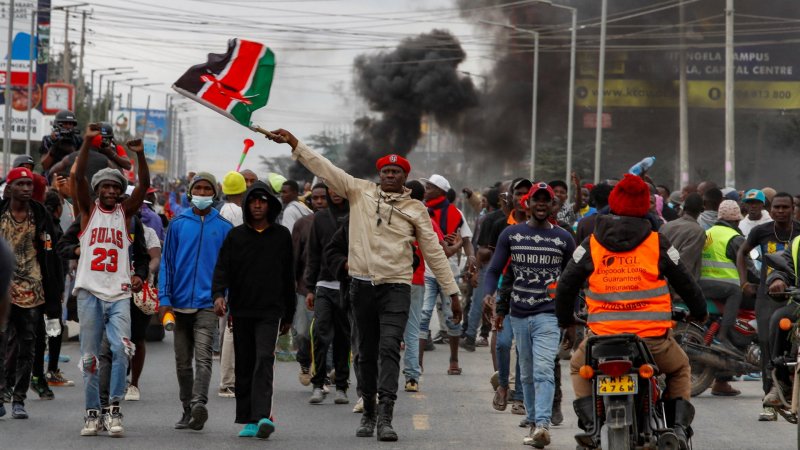
On June 25, 2025, Kenya witnessed a seismic moment. Thousands of young, digitally organized protesters—predominantly from Generation Z—took to the streets in 23 of the country’s 47 counties. The demonstration marked the first anniversary of the 2024 anti-tax protests and responded to recent abuses, particularly the custodial death of popular blogger Albert Ojwang on June 8.
The movement was driven by deep frustrations over police brutality, economic hardship, and chronic governance failures. Protesters, many of whom were students and first-time demonstrators, entered Nairobi’s Central Business District, attempting to reach Parliament—echoing the events of June 2024, when over 60 people died during similar unrest over the controversial Finance Bill.
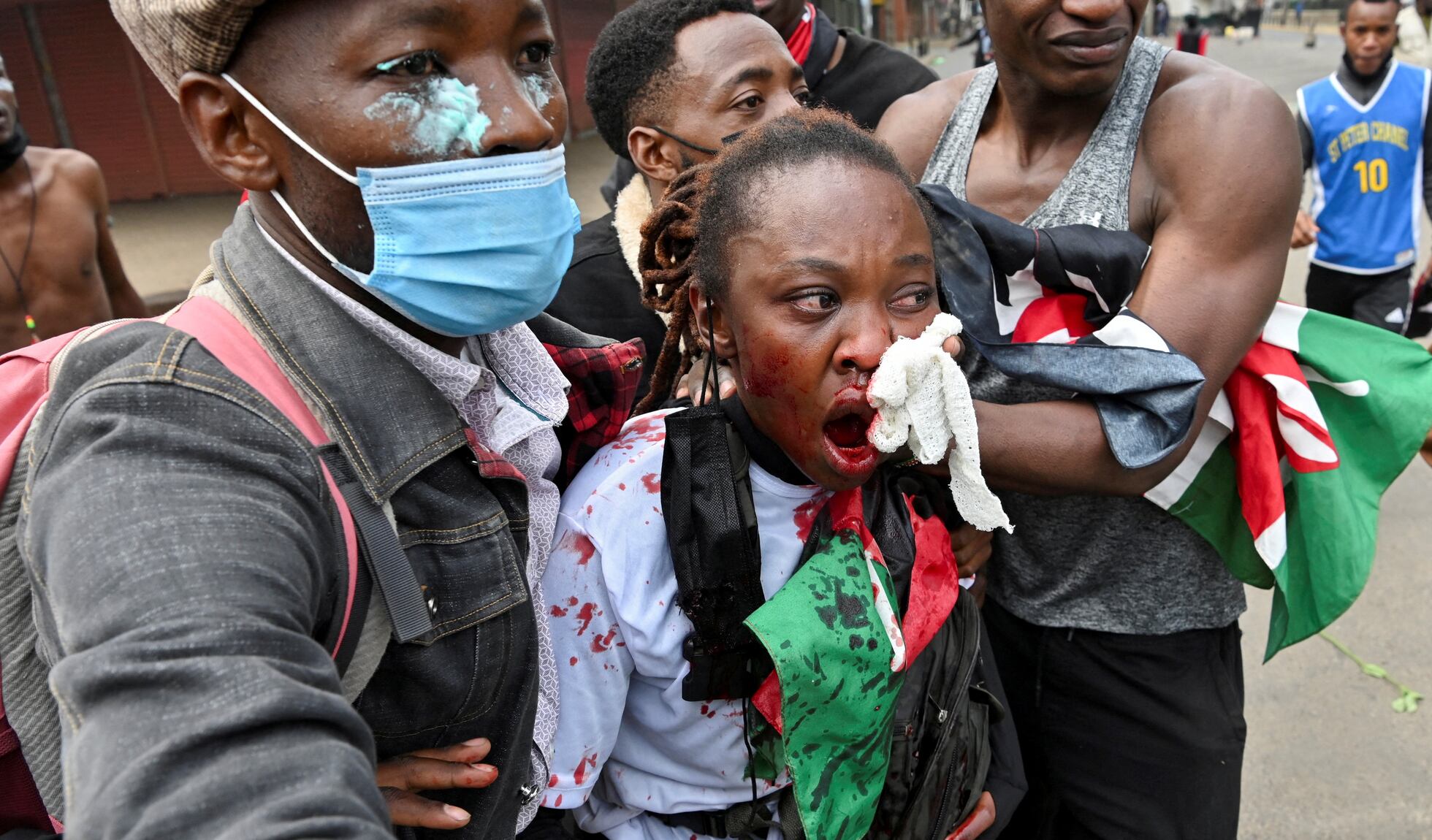
The toll this year was again heavy. Human rights organizations, including the Kenya National Commission on Human Rights and Amnesty International Kenya, reported that at least eight people were killed by police gunfire. Other estimates—some cited by The Guardian and The Financial Times—raise the number to 16. More than 400 people were injured, including dozens with gunshot wounds. The Kenya Medical Association described the scale of injuries as a “public health emergency.”
Source: Elpais
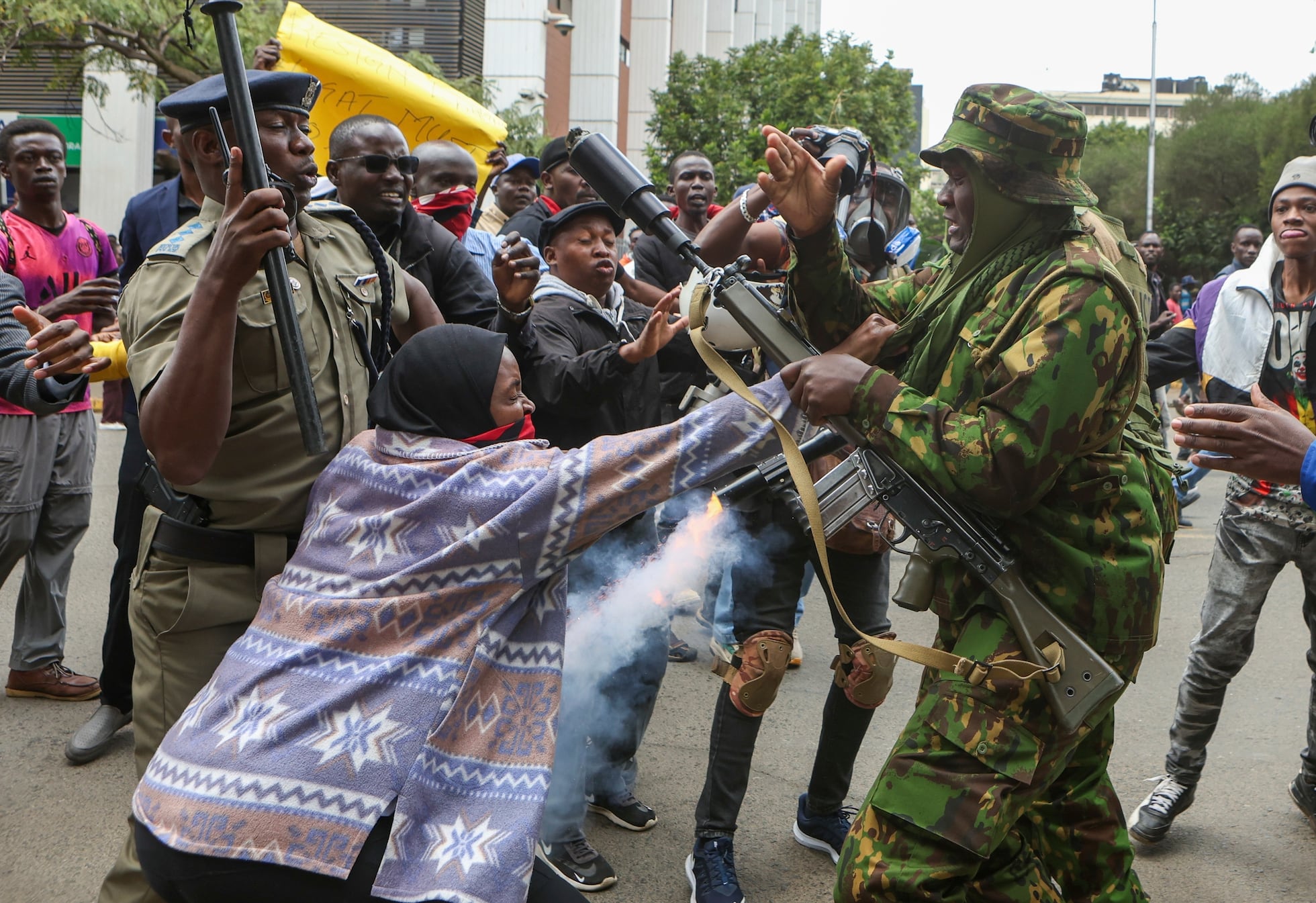
Authorities responded with overwhelming force: tear gas, water cannons, rubber bullets—and, in many cases, live rounds. The government also imposed a media blackout, with the Communications Authority warning broadcasters against airing live footage of the protests. Major TV and radio stations were restricted, and social media platforms experienced access disruptions.
Interior Minister Kipchumba Murkomen and President William Ruto framed the unrest as an attempted coup, calling the protests a form of “terrorism disguised as dissent.” This political framing only deepened the outrage. Meanwhile, investigations into Ojwang’s death led to six people—three of them police officers—being charged with murder. They have pleaded not guilty, and a judicial inquiry is underway.
In the aftermath, Nairobi residents began cleaning up looted shops and charred buildings. Business owners estimate tens of thousands of dollars in damages. Despite the chaos, the movement has not lost public support. Many civil society organizations, including the Law Society of Kenya, Amnesty International, and the UN Human Rights Office, have condemned the state’s use of force and called for immediate accountability.
Source: Elpais
These young protesters are not saboteurs or radicals. They are citizens demanding justice, dignity, and a future. To label them as coup plotters is not only inaccurate but deeply irresponsible. The attempt to suppress their voice through violence and censorship reveals a government more concerned with control than reform.
Kenya stands at a critical crossroads. The country can either continue down the path of repression and deepen its democratic deficit—or it can recognize that a digitally literate, politically conscious youth is not a threat, but its most valuable asset. The world is watching, and so is Generation Z.
The government’s challenge now is not how to silence the youth, but how to listen to them.
(If you possess specialized knowledge and wish to contribute, please reach out to us at opinions@news.az).


Similar news