Kovalenko: Russia’s covert attacks show it Is too weak for open confrontation


.png)
Recent developments highlight ongoing tensions between Russia and Azerbaijan. Strikes on the gas pipeline system in Ukraine’s Odessa direction—through which Azerbaijani oil is also transported—and on SOCAR’s filling station, along with earlier missile incidents near Azerbaijan’s Embassy in Ukraine and close to SOCAR’s office, have raised concerns in Baku.
Other incidents, such as the downing of an Azerbaijani aircraft and events in Yekaterinburg, have contributed to strained relations. Regional dynamics are also shifting: several countries have been reassessing their engagement with Moscow, a trend visible since the anniversary of the 2008 conflict in Georgia. The Commonwealth of Independent States (CIS), which Russia has regarded as an important platform, is facing reduced participation. Moldova has withdrawn from the organization, and Azerbaijan has limited its involvement, as seen in Deputy Prime Minister Yagub Eyubov’s absence from the CIS Economic Council meeting.
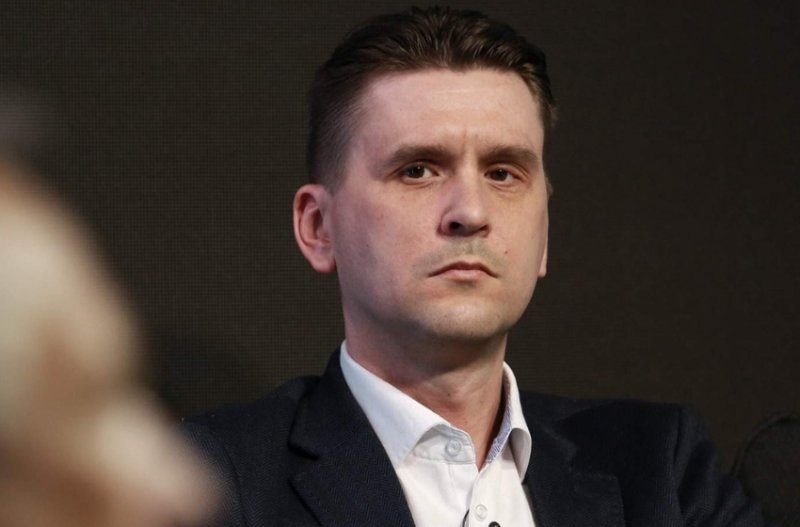
Ukrainian political scientist, military expert Alexander Kovalenko in an interview with News.Az noted that Russia, too weakened for direct military action against Azerbaijan, resorts to hybrid attacks such as targeting Ukraine’s energy infrastructure linked to Azerbaijani interests, exemplified by strikes on the Odesa gas network.
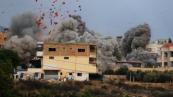
"At present, the Russian Federation is unable to directly threaten Azerbaijan by force. It simply does not have such a capability for one simple reason: it is so exhausted physically, diplomatically, politically, and economically that another military operation or war would drain it to such an extent that it could result in a truly serious internal catastrophe. Therefore, it cannot openly and overtly threaten or harm Azerbaijan, but it can do so in a hybrid and remote manner. One such form of remote sabotage is that Russia is now deliberately striking Ukraine’s energy infrastructure, which is directly connected with Azerbaijan. For example, the gas distribution network in the Odesa region, which was hit by Shahed-136 kamikaze drones, was also an attack on Azerbaijan’s interests — especially after the agreements between Kyiv and Baku were announced on gas supplies to Ukraine and not only to Ukraine," he said.

Source: Politico
Mr. Kovalenko stressed that since this gas distribution network also supplied gas to Romania and Moldova, those strikes had broader implications:
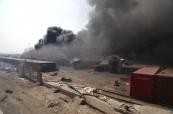
"Then there were strikes on oil facilities through which petroleum products pass, including those of the Azerbaijani company SOCAR. This was not a direct, open strike against Azerbaijan itself, but a hybrid-format attack. This once again underlines that Russia harbors no friendly feelings or attitudes toward Baku, but at the same time cannot directly and openly engage in open hostility. It does all this exclusively in a covert format. Therefore, this clearly indicates Russia’s inability to make agreements and its continued position as a revanchist pseudo-empire, trying to dictate its terms to everyone while never admitting its mistakes. On the other hand, these strikes also demonstrate Russia’s weakness: it is now so weakened that it cannot act openly and will always conceal its hostility through what I would call terrorist acts."
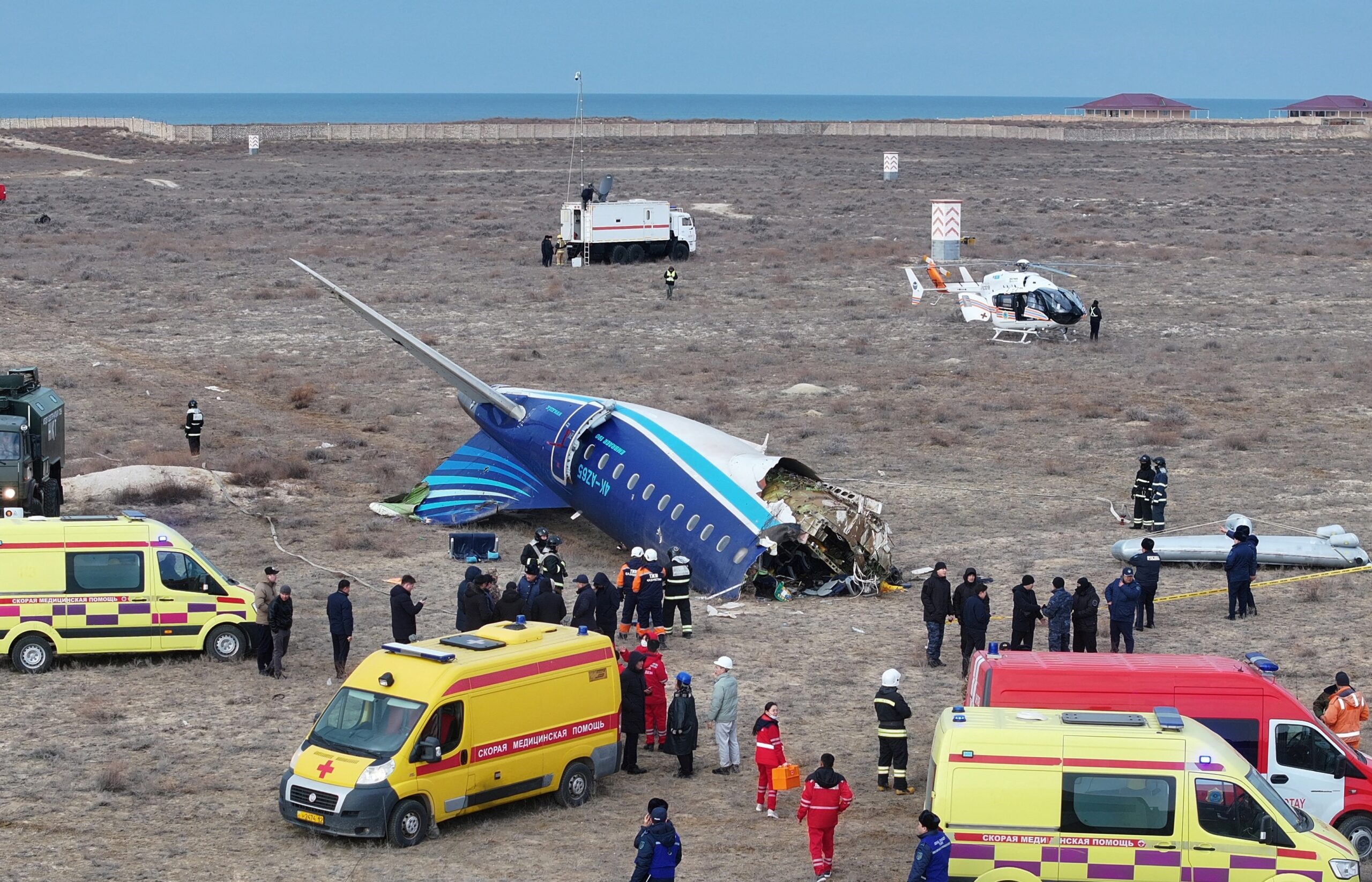
He expressed that the downed Azerbaijani Airlines plane — more precisely, the one damaged over Grozny that could have been saved if Russian airfields had accepted it instead of forcing it to fly over the Caspian Sea to Aktau (Kazakhstan) — was ultimately the result of technical error combined with human factors.
Source: Reuters
"In other words, a whole sequence of interconnected elements led to this tragedy. However, after the strike on the civilian aircraft and once it became clear that it was indeed a civilian aircraft, the Russian authorities should have done everything in their power: the entire command staff of the air defense forces and other structures in the region was obliged to make every effort to land the plane and prevent casualties.
But this was not done. On the contrary, everything was organized so that the plane would crash. Judging by the way events unfolded, everything was deliberately done with the calculation that the plane would crash specifically over the Caspian Sea, so that it would sink to the bottom and no one would know anything about the tragedy or its details.
However, thanks to the high professionalism of the aircraft’s pilots, it was managed to bring the plane to Kazakhstan, to Aktau, and, unfortunately, land it with catastrophic consequences and serious damage. After such a long time in the air, the landing would have been catastrophic in any case, but this made it possible to assess the damage, understand the situation, and see clearly that Russia had made every effort to ensure that the tragedy reached its peak precisely over the Caspian Sea.
In this regard, of course, parallels can be drawn with the crimes Russia is committing in Ukraine. Undoubtedly, it will never admit its mistakes or crimes."
Source: depositphotos
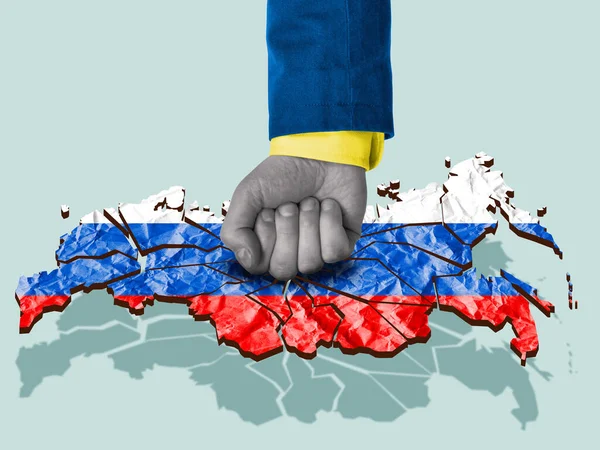
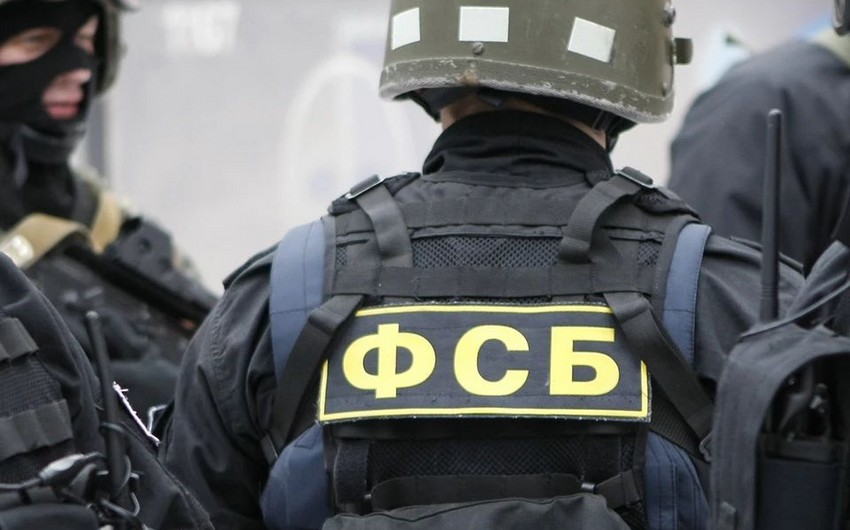
According to him, the events in Yekaterinburg are also an attempt by Russia to influence Azerbaijan’s policy, given the independent position Baku currently holds.
"Beyond its desire to strengthen its influence not only in the South Caucasus but also on a broader geopolitical scale, Russia is dissatisfied with this. It does not like it. Moreover, there are also international legal proceedings concerning crimes that have been committed.
Of course, Russia will react to this — but not in an attempt to find common ground or settle the matter through diplomacy, but exclusively by force. And Yekaterinburg is precisely an example of such a force-based approach, in which Russia not only tries but explicitly seeks to solve all its problems through force.
Naturally, it receives a response — equal, adequate, and, most importantly, in several respects based on the law, unlike the actions of Russia itself, which cannot be called in any way legally justified or lawful.
Today, the Russian Federation is in an extremely humiliating position. In essence, it disgraced itself in Ukraine with its full-scale invasion. The fourth year of the war has arrived — and it still cannot achieve its goals. Russia constantly tries to maneuver, engages in self-deception, but its effectiveness is practically zero."
Source: Ednews
Mr Kovalenko stated that Russia is on the sidelines of world politics:
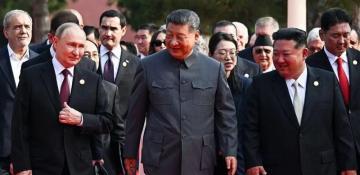
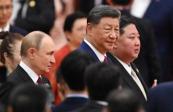
"It communicates with representatives of North Korea, with representatives of Burkina Faso. The President of the Russian Federation is at best willing to listen to Xi Jinping as a representative of big politics, of the geopolitical circle, but even this communication is exclusively due to the fact that China simply uses Russia as a raw-material appendage.
For China, Russia is a raw-material appendage that Beijing is steadily turning into its vassal. In fact, what we are witnessing today is the vassalization of the Russian Federation. And of course, we can say that Russia’s predatory policy has led it into a dead end — an international, economic, and diplomatic dead end.
As a result, we see Armenia leaving Russia’s sphere of influence, withdrawing from the CSTO, breaking ties with Moscow, and doing so demonstratively.
In a sense, the initialing of the peace agreement in Washington—witnessed by Donald Trump and signed by Azerbaijani President Ilham Aliyev and Armenian Prime Minister Nikol Pashinyan—can be seen as yet another litmus test, revealing the extent to which Russia’s external and even domestic regional policies have brought about its own collapse.
It has absolutely no influence over the countries around it, except for the forceful influence of fear and the threat that it may exert some kind of military pressure. Diplomatic, professional, and effective influence has long since disappeared. The example of Azerbaijan and Armenia is a vivid litmus test showing Russia’s weakness even at the regional level."
Source: Reuters
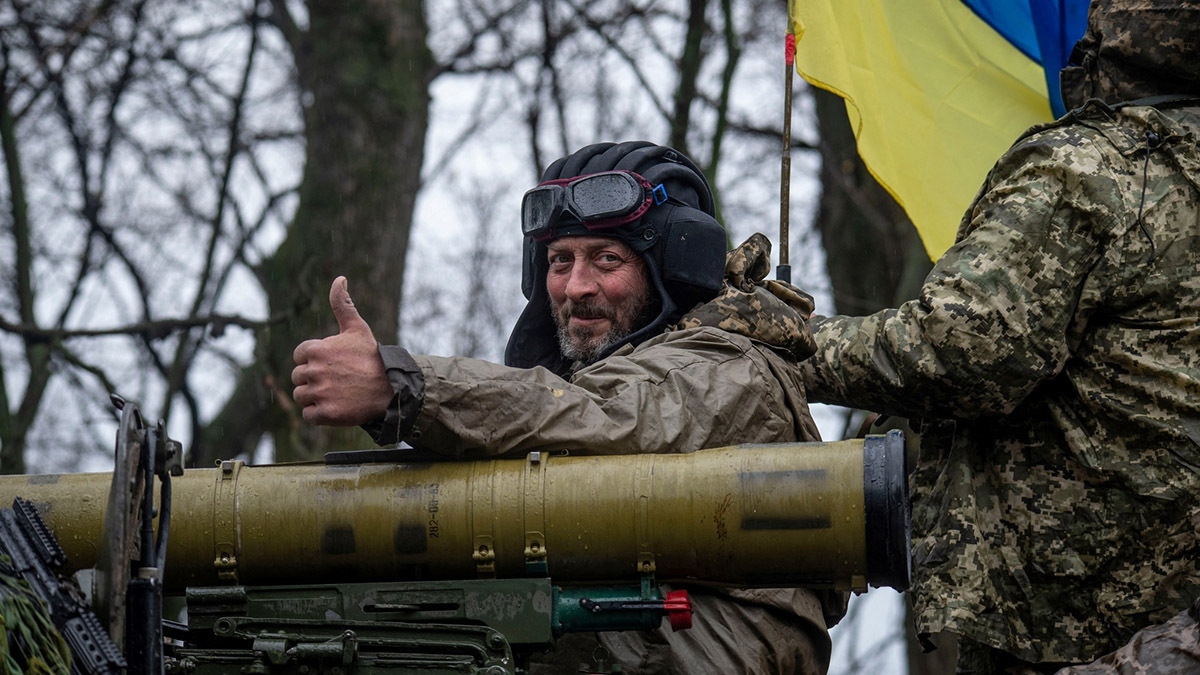
Russia’s military weakness is also evident in Ukraine, where its full-scale invasion of a country smaller than Russia in territory, military potential, and population has nevertheless completely failed. Russia has simply disgraced itself.
We see that they will not change their rhetoric. Unfortunately, this force-based diplomacy and revanchism on Russia’s part will, alas, persist. The only positive side to this situation is that Russia is now much weaker than it was, for example, in 2014 or even in 2022–2024.
The Russia of 2025 is a far weaker player — one that, it seems, still does not fully understand it.


Similar news