Kuril Islands dispute: A lingering conflict between Japan and Russia


Recent statements regarding the potential disposal of nuclear waste on the Kuril Islands have ignited controversy in Japan, highlighting the deeply sensitive nature of the territorial dispute with Russia. Japanese Prime Minister Shigeru Ishiba firmly denounced such suggestions as unacceptable during a session of the Budget Committee in the House of Representatives, as reported by Mainichi and Nikkan.
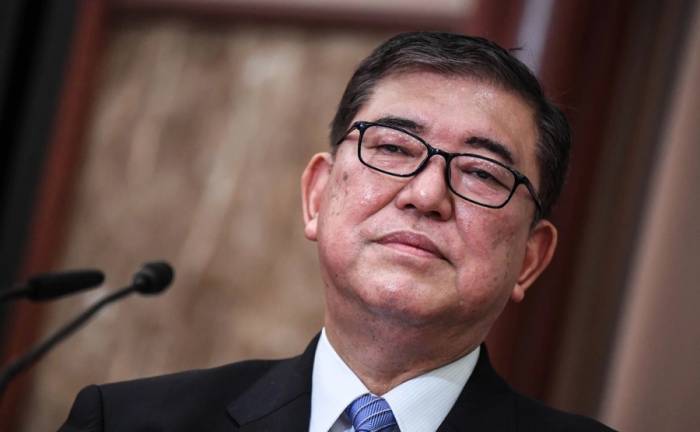
His remarks were in response to comments made by unnamed officials from Japan’s Nuclear Waste Management Organization (NUMO) and the Agency for Natural Resources and Energy during a briefing on the selection of final disposal sites for high-level radioactive waste from nuclear power plants. One official reportedly remarked that such a move would be akin to "killing three or four birds with one stone."
“I do not know what the intent behind this statement was, but I believe it reflected recklessness, arrogance, and conceit. As the head of government, I would like to express my deepest apologies,” Ishiba stated.
A historical stalemate
The territorial dispute over the Kuril Islands between Japan and Russia has persisted for decades, a stark reminder of the unresolved tensions stemming from World War II. The recent controversy at a nuclear waste symposium in Japan, where a participant suggested trading the disputed islands in exchange for nuclear waste disposal sites, underscores the enduring sensitivity of this issue. The swift backlash—from opposition politicians to Japan’s Prime Minister himself—illustrates how deeply the matter resonates in Japanese society. But beyond the political rhetoric, the Kuril dispute reflects larger geopolitical stakes that extend well beyond the islands themselves.
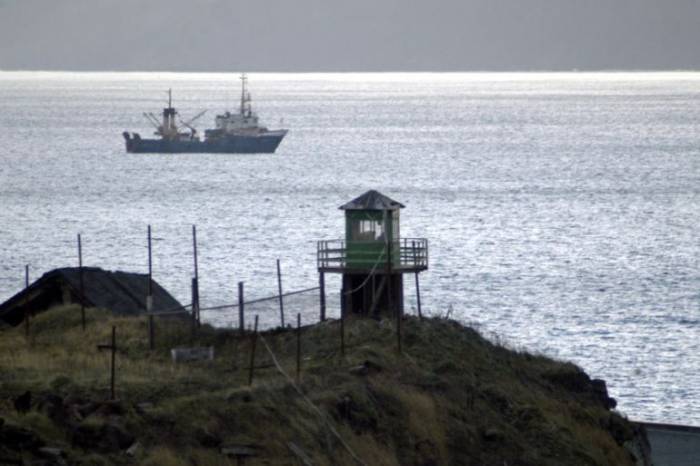
The four islands at the heart of the dispute—Kunashir, Iturup, Shikotan, and Habomai—lie between Japan’s Hokkaido and Russia’s Kamchatka Peninsula. Japan refers to them as the “Northern Territories,” while Russia considers them part of its Sakhalin region. The Soviet Union seized these islands in the final days of World War II, fulfilling commitments made at the 1945 Yalta Conference. However, Japan never formally accepted this transfer, leaving the territorial issue unresolved for nearly 80 years.
The 1951 Treaty of San Francisco, which officially ended hostilities between Japan and the Allied Powers, saw Japan renounce claims to the Kurils. Yet, Japan argues that the four southernmost islands were historically Japanese and were not explicitly ceded. A 1956 joint declaration between Japan and the USSR hinted at a possible return of Shikotan and Habomai in exchange for a peace treaty, but Cold War politics and Japan’s security alliance with the United States prevented any resolution. Since then, multiple diplomatic efforts have failed, with Russia reinforcing its military presence on the islands and Japan continuing to demand their return.
Strategic and economic stakes
Beyond historical grievances, the Kuril Islands hold strategic and economic value. Rich in marine resources and energy reserves, the islands are also a key military outpost for Russia, enabling control over vital shipping routes in the Pacific. Moscow views the Kurils as a buffer against NATO-aligned Japan and has made significant investments in military infrastructure on the islands.
For Japan, the islands represent both a matter of national identity and a potential economic boon. The return of even part of the disputed territory could unlock vast fishing rights and expand Japan’s maritime influence. However, any deal would have to navigate the complexities of Japan’s U.S. security commitments—an issue Russia sees as a major roadblock to negotiations.
Why the dispute persists
Russia’s reluctance to cede territory reflects a broader geopolitical trend: the Kremlin’s increasing resistance to Western-aligned nations asserting claims over Russian-controlled regions. The annexation of Crimea in 2014 demonstrated Moscow’s unwillingness to make territorial concessions, even at the cost of international sanctions. In the case of the Kurils, Russian President Vladimir Putin has reiterated that no deal will be made without ironclad guarantees that Japan’s alliance with the U.S. will not threaten Russian security.
Japan, on the other hand, has been caught in a diplomatic balancing act. While it seeks improved ties with Russia—partly to secure energy deals and reduce its reliance on Middle Eastern oil—Tokyo cannot afford to be seen as compromising on its sovereignty claims. Japanese public opinion strongly favors the return of the islands, making it politically risky for any government to accept the status quo.
The road ahead
With no peace treaty between Japan and Russia since World War II, the Kuril Islands dispute remains a major obstacle to fully normalizing relations. While economic cooperation between the two nations continues in other areas, the territorial issue is an enduring source of tension.
The prospects for resolution appear bleak. Japan is unlikely to renounce its claims, while Russia, amid heightened tensions with the West, has little incentive to make territorial concessions. The geopolitical landscape has also shifted—what was once a bilateral issue now exists within the broader context of U.S.-Russia relations, China’s growing influence in the Pacific, and the increasing militarization of the region.
If there is any path forward, it will likely require a gradual approach—confidence-building measures, expanded economic cooperation, and agreements that allow for joint development of the islands’ resources without requiring an immediate resolution of sovereignty. Whether Moscow and Tokyo can find common ground in an era of global instability remains uncertain, but for now, the Kuril dispute remains frozen in history, a relic of unresolved wartime diplomacy.
(If you possess specialized knowledge and wish to contribute, please reach out to us at opinions@news.az).


Similar news