Merz’s vision for Europe: Isolation of Russia, militarization of the West


Editor's note: Alexander Rahr, German political scientist, chairman of the Eurasian Society (Berlin). The article expresses the personal opinion of the author and may not coincide with the view of News.Az.
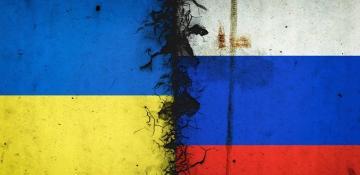
By declaring that the time for a diplomatic solution to the war in Ukraine has passed, German Chancellor Friedrich Merz has sent a clear signal: Germany will not waver in its support for Ukraine, and the West must brace for a long-term confrontation with Russia. But what lies behind this assertive stance, strategic calculation or dangerous overconfidence?
Merz appears to believe that a new wave of unprecedented sanctions from the United States and Europe can force the Kremlin to back down. He speaks with confidence about the West’s ability to exert economic pressure powerful enough to compel Moscow to halt its military campaign. This belief is not new among Western leaders, but Merz goes further than many, not only in rhetoric, but in his apparent readiness to act.
He also seems to bank on future support from Donald Trump, anticipating that the president will greenlight continued weapons deliveries to Ukraine. If Merz is right, this could open the door to Germany finally supplying long-range Taurus missiles — a step that current Chancellor Olaf Scholz has so far avoided, fearing escalation. But Merz shows no such hesitation.
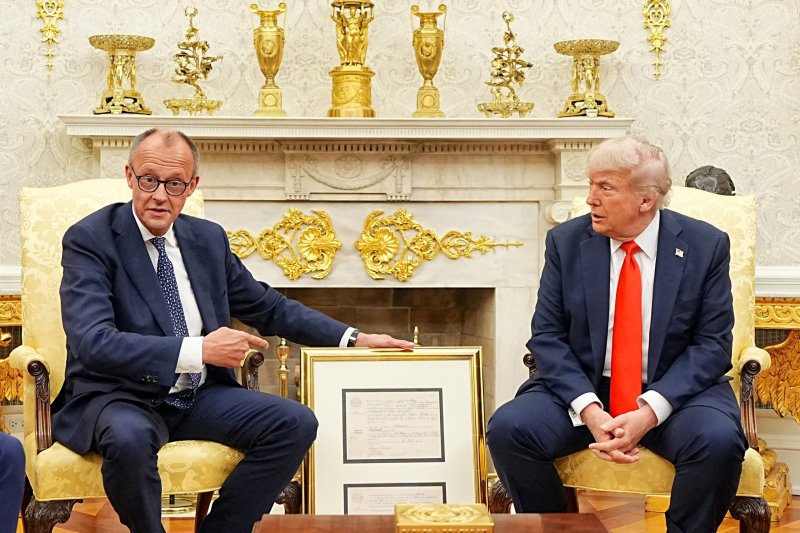
As the leader of Germany’s Christian Democratic Union (CDU) and a man with clear ambitions to define Europe’s strategic direction, Merz draws a hard line: no peace talks if they involve Ukraine ceding territory. He flatly rejects key Russian demands, including the demilitarization of Ukraine and NATO’s withdrawal from Eastern Europe. On the contrary, Merz advocates for the continued militarization of Europe and preparations for a possible direct confrontation with Russia.
This position marks a significant departure from the cautious approach of his predecessor. Unlike Scholz, Merz appears undeterred by the prospect of Russian retaliation. His confidence rests, to a large extent, on what he sees as the unmatched power of American weaponry — the ultimate shield of European security. The message is unambiguous: deterrence through strength, not dialogue.
But Merz’s hardline stance comes at a time of growing unease within Germany. Many Germans fear that his bold rhetoric may bring the continent closer to open war with Russia. Calls for strategic restraint are growing louder, especially as the prospect of a protracted conflict threatens both European stability and global economic recovery.
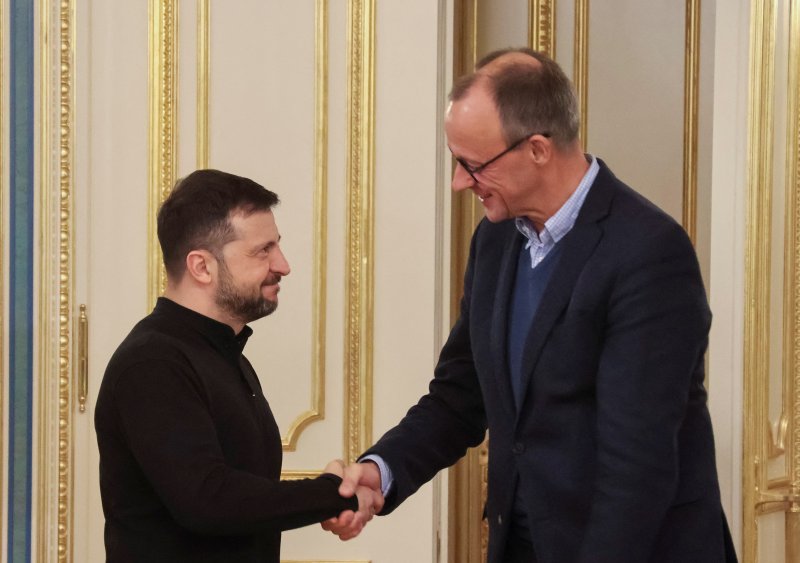
Nonetheless, Merz remains firm in his conviction. He sees no room for negotiation with Moscow. In his view, Russia must be weakened, isolated, and, in strategic terms, pushed out of Europe entirely. He envisions a geopolitical order in which Moscow is relegated to the depths of Asia, far from the European sphere of influence.
Critics argue that such an approach risks ignoring the complexities of long-term regional security and the potential for unintended consequences. The belief that Russia can be forced into submission through economic and military pressure alone may be dangerously simplistic. History offers few examples where great powers have responded to isolation and coercion with concession rather than escalation.
Merz, however, is dismissive of historical analogies that suggest caution. He strongly rejects any comparisons between modern Germany and the Third Reich, calling such parallels both offensive and misleading. In a rhetorical reversal, he portrays Russia as today’s primary aggressor, a dictatorship, in his words, bearing disturbing resemblance to Hitler’s regime.
Whether Merz’s vision leads to lasting security or to greater instability is a question that will define Europe’s future. For now, his message is clear: there will be no compromise, no retreat, and no dialogue, only confrontation. The world must now ask: is this the path to peace, or a prelude to something far more dangerous?
(If you possess specialized knowledge and wish to contribute, please reach out to us at opinions@news.az).


Similar news