Moldova faces energy crisis as gas supplier switch costs €1 billion annually


Editor's note: Sergey Unguryanu is a Moldovan expert. The article expresses the personal opinion of the author and may not coincide with the view of News.Az.
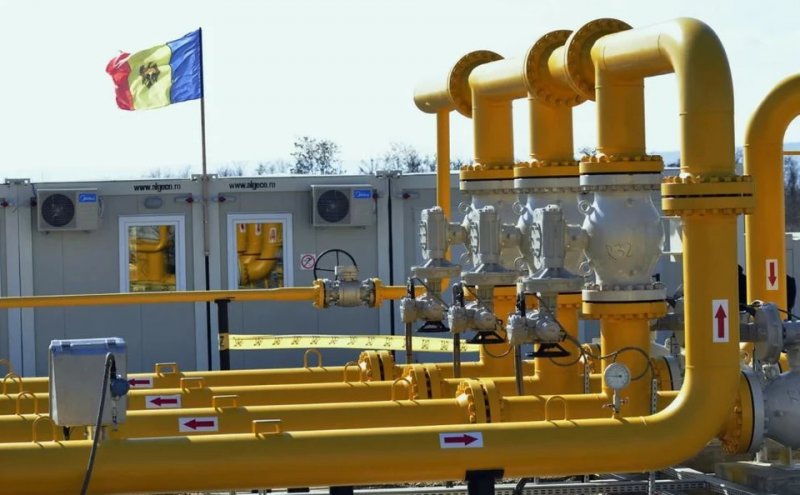
On September 1, a significant shift occurred in Moldova’s energy sector: Energocom officially replaced Moldovagaz, a subsidiary of Russia’s Gazprom, as the country’s main supplier of natural gas. At first glance, this move could be presented as a step toward modernization and an attempt to strengthen Moldova’s energy independence. However, behind the loud rhetoric lies a highly questionable decision that could cost the Moldovan economy up to €1 billion annually and push the country into a deep social and economic crisis.
Energocom is a relatively new structure, created before the current government came to power, but for a long time, it played only a minor role. Today, however, it has been granted unprecedented powers: full control not only over natural gas supplies but also over the purchase and sale of electricity across the country, as well as responsibility for servicing Moldova’s gas infrastructure. In practice, this means a complete shift away from long-term contracts with Gazprom to short-term purchases on Europe’s spot markets, where gas prices are significantly higher.
 Photo: Radio Moldova
The economic logic is straightforward: long-term contracts provide stability and predictability, allowing gas to be purchased at lower prices. Spot market purchases, on the other hand, are essentially a gamble, with costs that can skyrocket within days. This is why experts predict billion-euro losses for Moldova’s budget, calling this step nothing less than a politically motivated move carried out under pressure from Western partners, particularly the European Union.
The consequences for ordinary citizens are already becoming clear. Energy prices will inevitably rise: gas, electricity, and heating will all become more expensive. For households, this will mean even tighter family budgets and a dramatic increase in utility costs. Since energy costs account for 12% to 80% of the final price of most goods and services, higher gas and electricity tariffs will inevitably trigger a general rise in the cost of living — from basic food items to essential services like healthcare.
The impact on industry will be equally devastating. In recent years, Moldova’s economy has already been struggling due to soaring energy prices and the loss of key markets, especially in the East. Another spike in tariffs will make domestic products even less competitive, turning many factories and production facilities unprofitable. As a result, companies will be forced to shut down, leading to higher unemployment and a further exodus of skilled labor abroad.
This outflow of Moldova’s working-age population is not just a potential risk — it is already a reality. Statistics clearly show a steady rise in emigration, with thousands of Moldovans moving to Europe every year to seek better jobs and a more stable future. Most have no plans to return, as they see no prospects at home amid skyrocketing prices and constant social and political instability.
The political ramifications are equally significant. As energy prices soar and living conditions worsen, the ruling PAS party has seen its approval ratings plummet. The government has tried to shift the blame to external factors — from the “hand of the Kremlin” to global economic instability — but the public sees through these narratives. People know their lives are getting more expensive and their purchasing power is shrinking. Meanwhile, the opposition has seized on this crisis, pointing directly to the government’s failed energy policies and its willingness to prioritize Western directives over the well-being of its own citizens.
With parliamentary elections set for September 28, the energy crisis has become the defining issue of the campaign. If PAS manages to hold onto power — which many believe could only be achieved through large-scale vote-rigging, given its collapsing approval ratings — Moldova will remain on its current anti-Russian course. In energy policy, this means even higher prices and a widening gap between wages and the cost of living.
 Photo: Shutterstock
Today, the cost of gas and electricity in Moldova is already approaching European levels, while wages remain far lower. In the coming years, this imbalance will only worsen, creating a vicious cycle: rising energy tariffs drive up prices for all goods, which erodes purchasing power, forcing more people to leave the country. This cycle feeds on itself, accelerating Moldova’s demographic decline and weakening its economy even further.
The government’s current energy policy has become a stark example of how political ambitions can destroy a country’s economic stability. Instead of pursuing pragmatic solutions that serve the interests of its citizens, Moldova has chosen to prioritize external loyalty — paying a price that the entire society is now forced to bear. If this course is not reversed, Moldova risks not only an economic collapse but also a profound crisis of trust in its political system and state institutions.
(If you possess specialized knowledge and wish to contribute, please reach out to us at opinions@news.az).


Similar news