Netanyahu's Aide: I admire how Azerbaijan preserves its unique culture -EXCLUSIVE INTERVIEW


By Rolan Yusufov
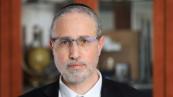
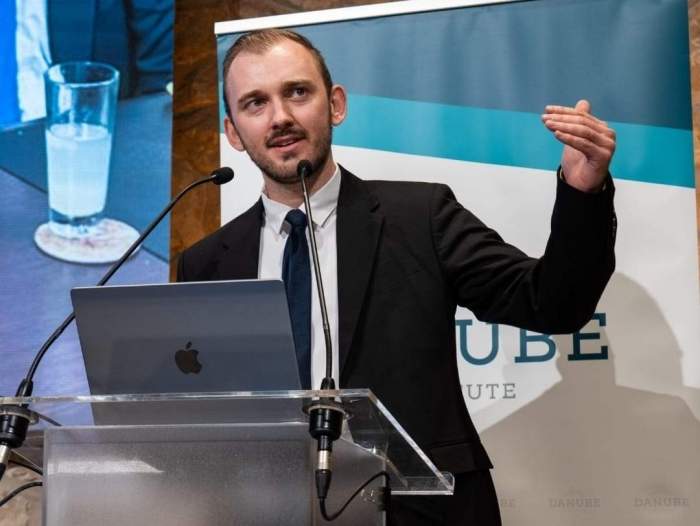
In today's interview with News.Az, we have the pleasure of speaking with Hananya Naftali, a prominent Israeli journalist and digital aide to Israeli Prime Minister Benjamin Netanyahu. Born in 1995 in Safed and raised in the West Bank, Naftali's early interest in social media and journalism quickly propelled him to prominence. After gaining significant attention on social media in 2017, he had the opportunity to interview Prime Minister Netanyahu—a milestone that led to his role as deputy social media adviser to the Prime Minister and his close collaboration with the Likud party.Naftali has played a crucial role in advocating for Israel on the international stage, using digital media to counter misinformation and foster understanding. In this interview, Naftali shares his perspective on the growing relationship between Israel and Azerbaijan. He discusses the strong ties that bind the two nations, particularly in areas such as defense, energy, and technology. Naftali expresses his deep admiration for Azerbaijan, highlighting the shared values and mutual respect that have contributed to the strengthening of Azerbaijani-Israeli relations.
As we explore his journey and the challenges he faces, Naftali also provides insights into how digital media continues to shape the future of journalism and diplomacy, especially in the context of the strategic partnership between Israel and Azerbaijan.
- How do you assess the current state of relations between Azerbaijan and Israel, and what factors do you think have contributed to their strengthening?
 - I have deep admiration for Azerbaijan, and our relationship with Israel is stronger than ever. I hope I can visit Azerbaijan soon—those who are reading this interview, I ask them to message me because I would like to make new friends in Azerbaijan and beyond. Azerbaijan is a country that shares many of Israel’s values, especially when it comes to resilience and innovation. What I love about Azerbaijan is its ability to maintain its unique culture while being open to modernity and technology. The strong partnership between our nations, particularly in defense, energy, and technology, showcases the deep and strong alliance we have. We Israelis have deep respect for Azerbaijan, and I hope to see this friendship growing and becoming stronger as we build our futures together.
 - How did your work on social media and interviews with Israeli Prime Minister Benjamin Netanyahu influence your development as a journalist?
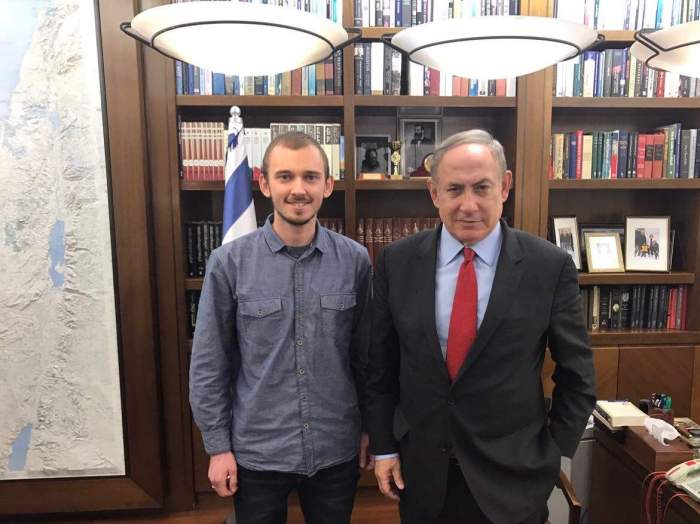
-I started working for Prime Minister Netanyahu in 2018 when I was 22 years old, one year after I finished my military service, but my connection with him began a year earlier.
In 2017, I had my first interview with him, and I was genuinely amazed at how sharp he is. He has a deep love for reading and constantly keeps himself educated, which was really eye-opening for me. It showed me that no matter how important you are, there’s always something new to learn and new heights to reach.
This is something I’ve deeply valued in working with him—seeing firsthand that even a Jewish world leader like Netanyahu never stops learning. It’s a lesson I’ve taken to heart. We can never afford to think we know everything; there’s always more to understand. And in a world where truth is often a rare ingredient, it’s crucial to stand up for it.
- What were your goals and objectives while serving as Netanyahu’s deputy social media adviser and for the Likud party?
- When I was working as Netanyahu’s deputy social media adviser and for Likud, my main goal was clear: to make sure the messaging was clear, easy to understand, and that the truth about Israel was front and center. We worked on countless social media videos where we would film the Prime Minister addressing important issues and countering lies. One of the successful videos was Netanyahu’s direct message to the Iranian people—wishing them freedom directly from Jerusalem.
Growing up in Israel as the child of immigrants from the former USSR, with parents who survived Communism, I was taught how easily the truth can get buried under misinformation and lies.
When I focused on defending Israel in the media, acquiring millions of followers, and building one big online community that stands with the Jewish people and supports Israel, I made it my mission to counter those false narratives with real, honest content that people could trust. And I think this is a very powerful tool nowadays since people are tired of being lied to, people have stopped trusting the mainstream media, and they are looking for alternatives that can often be found on social media.
- How did your military service during the war with Hamas influence your worldview and approach to journalism?
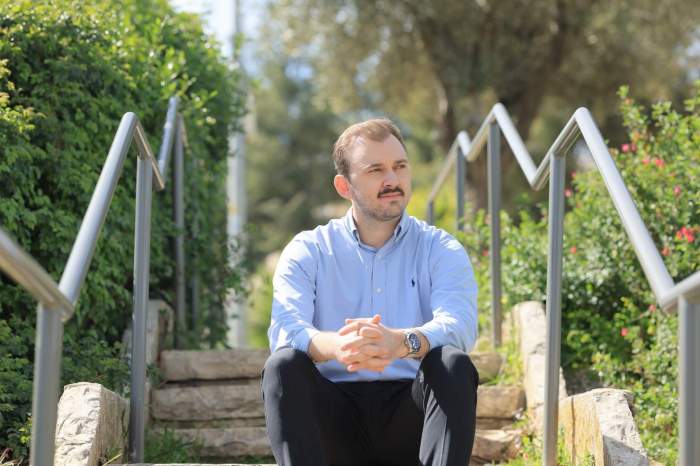 - Serving in the Israel Defense Forces for three years and participating in the war against Hamas in 2014 indeed changed me. Before the army, I was shy and introverted, not someone who would naturally speak out or be upfront. But being on the front lines, I saw the threats Israel faces every day, and it hit me hard, especially after seeing how Israel is being portrayed by the media. I realized how much Israel is wrongfully hated, and it hurt me to see how many people are misled and think that we are monsters, while in reality, we are the ones fighting monsters who want to murder our men, rape our women, and kidnap our children.
It’s personal for me—defending Israel isn’t just about duty; it’s about making sure the world sees what’s really happening here. Because while Israel is a strong country, it is not the aggressor, and while Hamas is currently losing the 2024 war, that doesn’t make them the victim; and people need to understand this.
- What topics and issues do you plan to explore in your future career? Are there any special projects you would like to implement in the near future?
- When it comes to Israel, I feel like we’re already living in the future. Our country leads the world in innovation, technology, medicine, and so much more. But for me, I focus on building a future where future generations will not have to go through wars and conflicts, and where peace is not a dream but a reality. I believe in peace despite the harsh reality in the Middle East. I used to think, “Hey, I’m just one person. I can’t do anything.” But I believe that only people crazy enough can make a difference in our world. And I was not born to be silent when I have a passion burning inside of me to make a difference—especially given the fact that I feel I am not alone with the massive community we have built. It’s more like we are together building a better future. And all the credit goes to God, who gives us strength.
- How do you think digital media has changed the landscape of journalism in recent years, and what role do you see for yourself in this evolution?
- Digital media has completely changed the way journalism works. It has given everyone a voice, but it’s also made it easier for lies to spread, especially about Israel. Social media has become this global square where everybody gathers to discuss ideas, fight, and make peace. It is probably the only place where someone from Israel can discuss ideas with Iranians, Iraqis, Syrians, Lebanese, and Americans all in one place. It’s a powerful tool that should be used.
 - What innovations and technologies in digital media do you think will have the greatest impact on journalism in the coming years?
 - We’re already witnessing massive growth in AI, and that’s just the beginning. I believe the biggest changes in journalism will come not only from AI but also from technologies like augmented reality (AR) and advanced live streaming. But it also comes with risks, such as the rapid spread of misinformation and deepfakes. I am using advanced technology to help me communicate my messaging to people who don’t speak English—so I use tools that auto-dub my videos into Spanish, and sometimes Hindi or Persian. It’s amazing how communication has become so easy these days. At the end of the day, my focus is on making sure that people have a direct connection to what’s happening in Israel by bringing the facts to them—often in their language.


Similar news