Trump and Russia force the EU and London to rethink security


By Tural Heybatov
Recent developments across Eurasia and globally, the emergence of new geopolitical trends, and the looming collapse of the international legal order have forced Europe to reconsider its long-standing security assumptions. While the American security umbrella remains in place for now, statements and erratic signals from the new U.S. administration have pushed Europe out of its comfort zone. Worse still, Europeans now face the unsettling prospect of coming under pressure in the form of blatant political blackmail.
According to The Times, the United Kingdom and the European Union are set to unveil a defense and security pact this week as part of a new cooperation agreement. This marks the most significant deal between London and Brussels since Brexit. The agreement aims to strengthen military cooperation within NATO operations and introduces a joint action mechanism in the event that the United States seeks to block such initiatives. The pact will also require biannual strategic consultations on shared interests, involving UK Foreign Secretary David Lammy and EU High Representative Kaja Kallas, the newspaper reports.
Analysts are particularly focused on provisions that would allow the UK and EU to circumvent potential U.S. blockades. Leaked details suggest the agreement not only endorses closer military cooperation within NATO but also establishes procedures for joint action if Washington refuses to authorize operations under the alliance’s framework. This indicates Europe’s growing interest in reducing its dependency on the American security umbrella—not to abandon it entirely, but to ensure it retains the capacity to act independently when necessary.
The preamble of the agreement explicitly acknowledges that these changes are driven by Trump’s policies and their impact on European security.
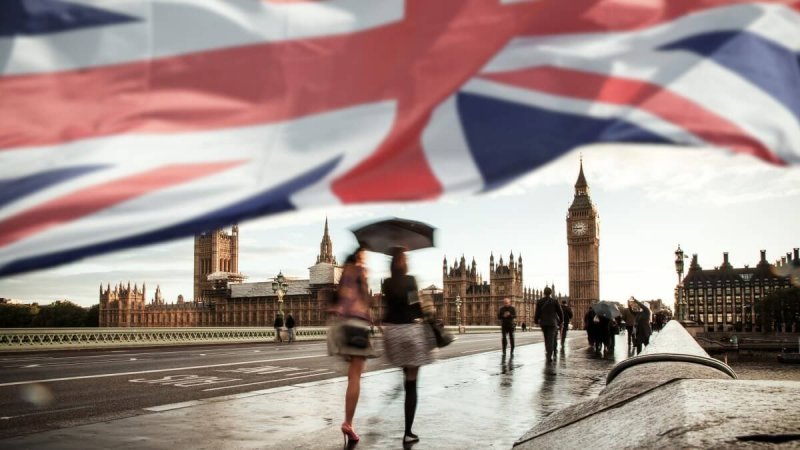
© Melinda Nagy | Dreamstime.com
Before Trump came to power, Europe felt secure under U.S. protection, confident that its "big brother" would manage any threats. However, Trump’s unpredictable behavior and his unexpectedly cordial approach to Moscow, even as Russia wages war in Ukraine, have made it clear that Europe must learn to defend itself. The current U.S. administration shows little interest in maintaining pressure on Russia or worsening bilateral relations—on the contrary, Washington’s behavior suggests the opposite. This has raised doubts within the EU about the reliability of American security guarantees and the real risk of Russian aggression.
Both the EU and the UK—which itself feels the chill from Washington—have decided to take action. According to the pact, Europe is facing a "defining moment" and "the greatest threat of a generation" due to Russia’s invasion of Ukraine and its espionage and sabotage campaigns across the West.
The Times provides additional details: the EU will open its Common Security and Defence Policy (CSDP) to UK participation after the pact is signed. Cooperation will also intensify to enhance military mobility, ensuring the swift and uninterrupted movement of troops and equipment across Europe. The UK will join EU crisis management exercises under the CSDP. The agreement outlines mechanisms allowing London to participate in internal EU meetings, including sessions of the European Council. However, the UK will not be granted automatic access to the EU’s new €150 billion rearmament fund—participation will depend on further negotiations and the UK’s financial contributions.
In addition, the signing of the pact is expected to open EU markets to British food products without customs checks. London and Brussels also plan to expand cooperation in the energy sector.
Europe’s concept of collective security is based on mutual commitments to prevent wars, provide mutual defense against aggression, and confront shared threats. In the 1930s, European nations tried to build such a system to counter Nazi Germany, but it failed, exposing Europe’s inability to act collectively. In the modern era, the declared goal has been the fight against international terrorism—though here, too, Europe has achieved limited success.
Nonetheless, the UK and the EU now appear determined to share responsibility for Europe’s security—an especially important step in light of recent messages from Trump and his team.
As Axios reported in early March, Trump "stunned, strangled, and humiliated" Europe in just three days with his decisions. He launched direct negotiations with Russia on resolving the Ukraine conflict without involving Kyiv or European leaders. This move, along with calls from U.S. Defense Secretary Pete Hegseth for European countries to assume primary responsibility for their own defense, sent shockwaves through European capitals.
"I’m tired of bailing Europe out again," U.S. Vice President JD Vance posted on X. To which Defense Secretary Hegseth replied, "VP: I completely share your disgust with Europe’s freeloading. They are pathetic!"


Similar news