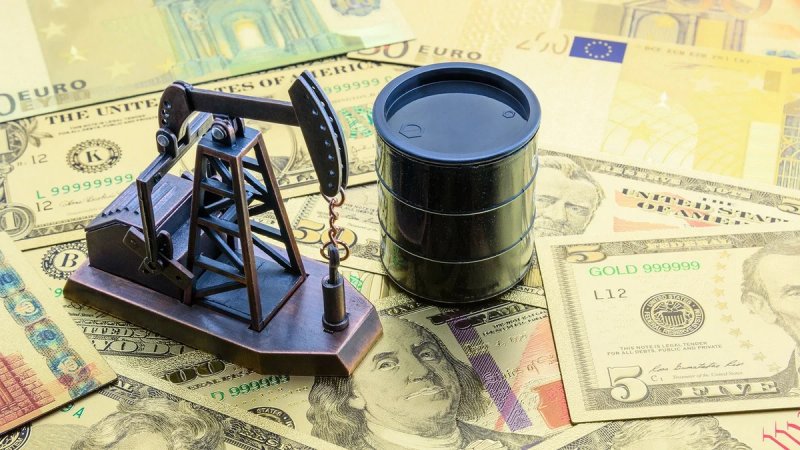
Azerbaijan, possessing significant reserves of oil and gas, has built its economic model around energy exports for decades. The State Oil Company of Azerbaijan, SOCAR, has become not only the largest economic entity but also a crucial instrument of state policy. During periods of high global oil prices, it is the oil and gas sector that ensures inflows of foreign currency, fills the state budget, and supports financial stability.
An increase in oil prices directly affects state revenues. Budget inflows grow, transfers from the State Oil Fund increase, and opportunities expand for implementing infrastructure projects, social programs, and investments in strategic sectors. This allows the government to more actively stimulate economic growth and maintain macroeconomic stability.
In recent years, Azerbaijan has taken steps to diversify its economy. The development of transport and logistics potential, agriculture, the digital economy, and industry is gradually reducing dependence on oil. Nevertheless, high oil prices often serve as the financial foundation for funding these transformations.
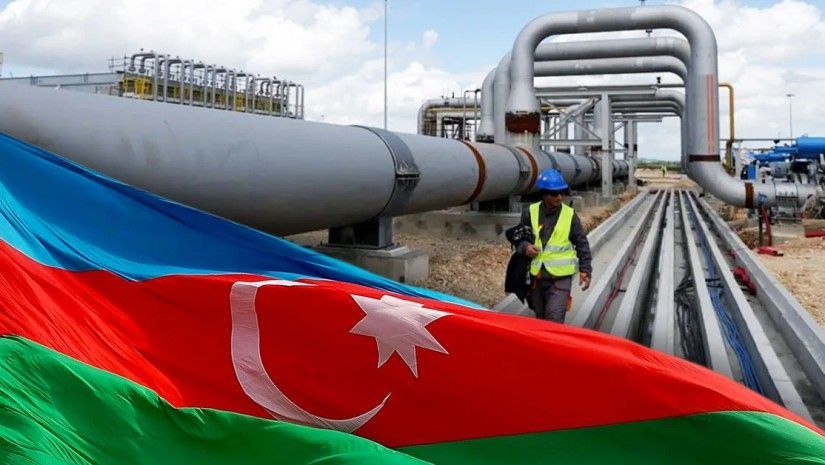
Source: APA
The geopolitical context is also important. Azerbaijan acts as a reliable supplier of energy resources to European markets, especially amid the transformation of the global energy architecture. Rising oil prices increase the country’s importance as an energy partner and strengthen its position on the international stage.
Thus, higher oil prices have a dual impact on Azerbaijan’s economy. On the one hand, they are a powerful driver of growth, a source of financial stability, and a tool for strengthening external economic positions. On the other hand, they can reinforce structural imbalances and slow long-term reforms.
The key challenge for Azerbaijan lies not in the rise of oil prices itself, but in how effectively the country can use this favorable period. Rational management of oil revenues, investment in human capital, and development of the non-oil sector will determine whether another price boom becomes a foundation for sustainable development or merely a temporary economic upswing.
Meanwhile, according to experts, the increase in global oil prices has had a significant positive impact on Azerbaijan’s export revenues. With average daily oil exports of around 450,000 barrels and considering that in March the oil price was about 40 dollars higher than the level set in the state budget at 65 dollars, reaching approximately 105 dollars per barrel, the country received substantial additional income. This view was expressed in an interview with Azertac by economist Khalid Kerimli. According to him, the price difference provides Azerbaijan with about $18 million in additional revenue per day. On a monthly basis, this amounts to approximately $540 to $550 million.
The economist noted that, according to official calculations, an increase of 10 dollars in the average annual oil price brings about 2.2 billion manats to the country’s economy. Of this amount, around 8 billion manats are directed to increasing the revenues of the State Oil Fund, while approximately 4 billion manats contribute to higher tax revenues in the state budget.
It should be recalled that on April 3, the price of Azeri Light crude on a CIF basis at the Italian port of Augusta reached 141.68 dollars per barrel. This is more than double the price assumed in the state budget.
Before the outbreak of the new war in the Middle East, oil prices fluctuated in the range of 60 to 70 dollars. For example, in January, Brent crude traded below 64 dollars. Some experts had predicted that oil prices could fall below the level set in Azerbaijan’s state budget, potentially increasing the budget deficit. In 2026, this benchmark had been reduced by 5 dollars compared to 2025. Overall, the situation in the oil market did not indicate a sharp upward movement and, on the contrary, a slight decline had been expected.
Source: Reuters
In December of last year, the US Energy Information Administration forecast that Brent oil prices would remain around 55 dollars for most of 2026, while the average price of WTI crude would be about 50 dollars. However, the war involving Israel and the United States against Iran changed the entire outlook.
The rise in oil prices has two sides. On the one hand, it positively affects the country’s balance of payments and increases export revenues. According to analysts from the European Bank for Reconstruction and Development, Azerbaijan is among the key beneficiaries of the sharp rise in oil and gas prices. The EBRD estimates that net profits from hydrocarbon exports are comparable to a significant share of the economies of producing countries.
This gives Azerbaijan an opportunity to allocate more resources to the real sector of the economy, including reconstruction projects in liberated territories. Additional billions generated by higher fossil fuel prices can also be directed toward increasing defense spending, strengthening social protection, and developing the non-oil sector.
According to current practice, amendments to the budget may be introduced in early June. Due to the sharp increase in oil prices, certain adjustments are expected, including potential increases in pensions and salaries.
However, there are also downsides. During the Global Baku Forum, President Ilham Aliyev noted that many oil exporting countries with sovereign wealth funds invest in various financial instruments such as treasury bonds, and when stock markets decline, these countries may lose more on financial markets than they gain from high oil prices.
The head of the Center for Oil Research of Azerbaijan, Ilham Shaban, explained that rising oil prices are often followed by increases in the cost of goods and services. Conversely, when oil prices fall, costs may decrease. This pattern was observed in 2008 when oil prices surged to 148 dollars, and again in 2015–2016 when prices dropped from 120 to 40 dollars. He noted that due to low oil prices in 2016, which reduced the cost of equipment and services, Azerbaijan was able to implement major projects such as the Southern Gas Corridor and Shah Deniz Phase 2 at lower costs, saving several billion dollars.
Experts also warn that higher oil revenues often lead to the strengthening of the national currency, which can reduce the competitiveness of the non-oil sector. This phenomenon, known as the Dutch disease, creates imbalances by making non-resource exports less competitive and increasing dependence on imports. However, Azerbaijan has managed to avoid this effect so far. In January and February 2026, non-oil exports increased by 19.7 percent compared to the same period in 2025, reaching $580.7 million. Food exports grew by 30.5 percent, totaling $200.6 million, according to the March edition of the Export Review by the Center for Analysis of Economic Reforms and Communication.
Thus, every process has two sides. Azerbaijan is expected to manage the emerging opportunities carefully while avoiding the potential pitfalls associated with high oil prices.