Trump and the 12-day war: A step toward the Nobel Peace Prize?


Editor's note: Teymur Atayev is an Azerbaijani publicist, historian, political scientist, and host of the program "Aspects of Foreign Affairs" on the Azerbaijani CBC TV channel (broadcasts in Russian). The article expresses the personal opinion of the author and may not coincide with the view of News.Az.
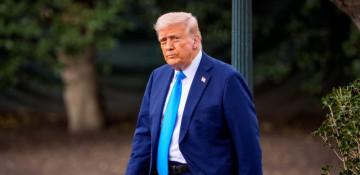
The sudden and seemingly magical end to the 12-day war between Israel and Iran has once again brought to the forefront the question of whether Donald Trump might become a Nobel Peace Prize laureate. After all, it was he who announced that both sides had agreed to a ceasefire. Yes, there were incidents on both sides afterward, but the occupant of the White House was able to calm things down with a single sharp rebuke.
Analysts highlight the unique nature of this development: a country that had just carried out a massive bombing campaign against another state — and received a symbolic retaliatory strike — ended up being the de facto mediator, not just to contain, but to end a major confrontation. Whether the military phase of the Iran-Israel conflict is postponed for long is not the main question for many observers. Instead, attention has shifted to another aspect: Trump, in a matter of moments, essentially rose “above” the UN Security Council, the G7, and others who failed to resolve the bloody standoff. The world witnessed how, after brief conversations between the U.S. administration and the leaders of Israel and Iran, all parties graciously accepted Trump’s proposal.
Of course, some may think he, in the words of Michael Corleone, made an offer they couldn’t refuse. But the fact remains: both warring parties heard and responded to him.
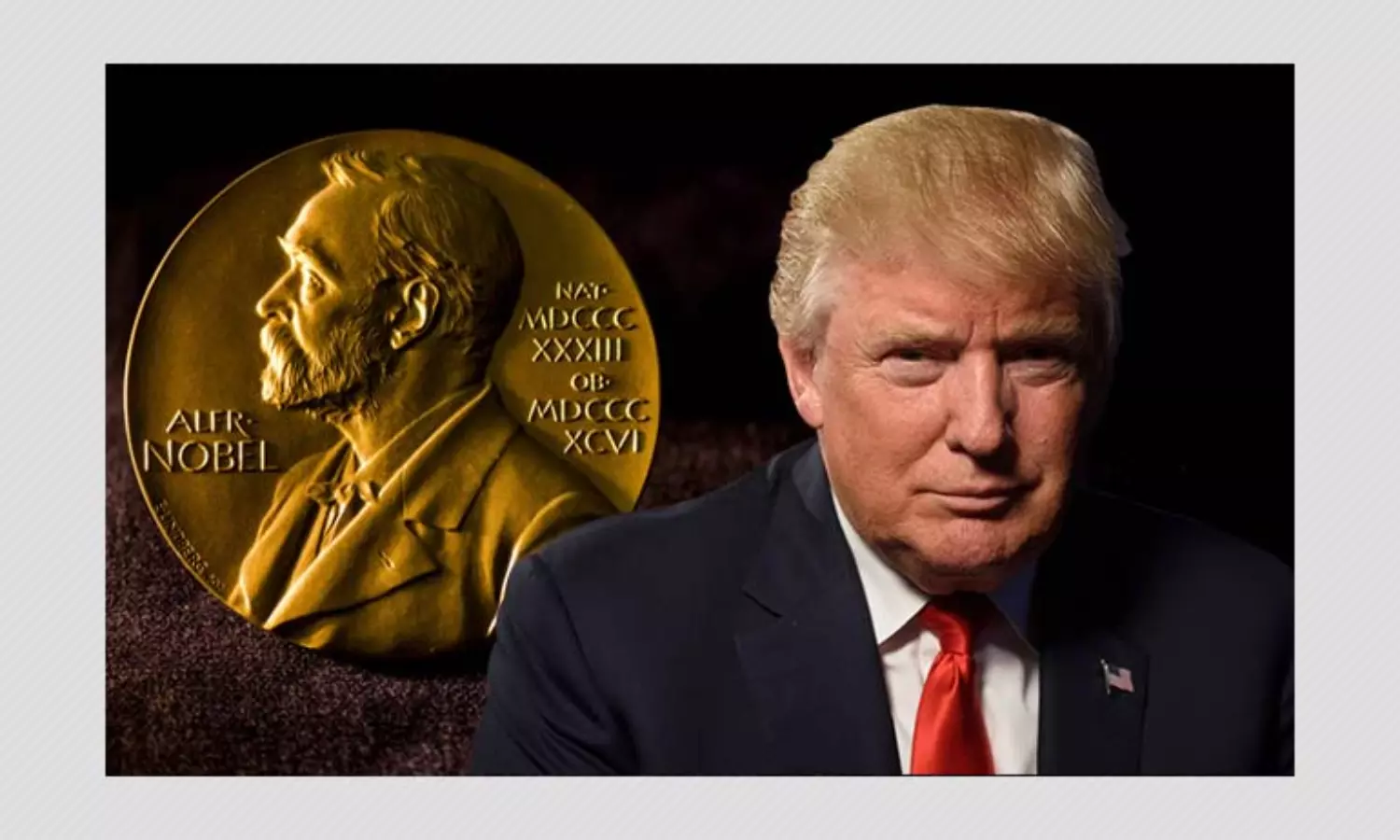
This nuance reignited global debate — just how close is Mr. Trump to becoming a Nobel Peace Prize laureate?

Source: marketwatch
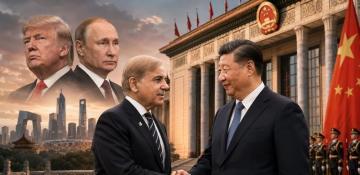
In fact, the idea isn’t new, especially following Pakistan’s recent nomination of Trump for the award. In its written submission, Islamabad emphasized the “diplomatic role and leadership” of the American president in resolving the Pakistan-India standoff. The document also noted that Trump’s mediation helped prevent a large-scale conflict between two nuclear powers — a clash that could have affected millions. And now, his clear influence has emerged on the Iran-Israel front as well.
This development is especially noteworthy considering past laureates: in 1978, the prize went to Egyptian President Anwar Sadat and Israeli Prime Minister Menachem Begin “for the preparation and conclusion of foundational agreements” between their countries. In 1994, the Nobel Peace Prize was awarded to Palestinian Authority Chairman Yasser Arafat and Israeli Prime Minister Yitzhak Rabin (along with Shimon Peres) “for their efforts to create peace in the Middle East.” In other words, the Middle East track has often served as a real platform for Nobel Peace laureates.
On the other hand, Trump likely wouldn’t want to lag behind other U.S. presidents who became laureates in different historical periods: Theodore Roosevelt (1906), Woodrow Wilson (1919), and Barack Obama (2009).
Some analysts believe Trump’s candidacy could indeed become inevitable if he succeeds in brokering peace between Russia and Ukraine. Admittedly, this platform is extraordinarily difficult — but so was, and still is, the Iran-Israel conflict. Moreover, Trump has already stated how close Israel and Hamas have come to a real peace agreement.
Source: boomlive
Still, many observers argue that if Trump is truly determined to be among the Nobel Peace laureates, he must also resolve the situation with China by abandoning his anti-Beijing stance and ending the renewed trade war. Notably, a few days ago, the U.S. president did not rule out the possibility of China joining the G7, and after the end of the Iran-Israel war, he announced that China could continue buying oil from Iran — despite Washington’s longstanding sanctions against Beijing.
So, here we are… The topic of Donald Trump as a Nobel Peace Prize recipient is becoming increasingly tangible. But, as noted above, it will still require significant efforts from the politician firmly seated in the Oval Office.
Of course, the vibrant discussion surrounding Trump’s potential Nobel Prize has not eclipsed one of the most critical aspects of the Iran-Israel war: namely, who emerged as the victor in this confrontation. But that’s a topic for another time.
(If you possess specialized knowledge and wish to contribute, please reach out to us at opinions@news.az).


Similar news