Tulsi Gabbard set to step down as US intelligence chief


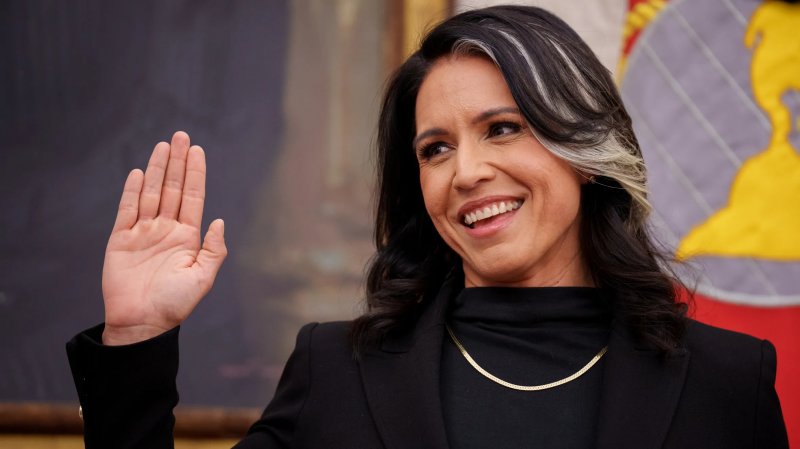
Tulsi Gabbard has announced she will step down as US Director of National Intelligence in the Trump administration, saying her decision is due to her husband’s recent diagnosis of bone cancer.
"His strength and love have sustained me through every challenge," she wrote in her resignation letter on Friday. "I cannot in good conscience ask him to face this fight alone while I continue in this demanding and time-consuming position," News.Az reports, citing BBC.
RECOMMENDED STORIES
US President Donald Trump wrote in a social media post that Gabbard had "done an incredible job, and we will miss her".
Her resignation is effective as of 30 June. Aaron Lukas, the principal deputy director, will step in as acting director, Trump said.
Gabbard, a loyal supporter of Trump during his 2024 presidential campaign, was confirmed as one of the most powerful figures in US intelligence-gathering weeks after he returned to the White House in 2025.
But this year she has largely been out of public view even as the US took military action against Iran, put pressure on Cuba, and notably removed Venezuela's president.
Gabbard is the fourth member of Trump's cabinet to depart his second administration, after Lori Chavez-DeRemer left her position as labour secretary in April. Homeland Security Secretary Kristi Noem and Attorney General Pam Bondi both left the administration earlier this year.
In her resignation letter, Gabbard said her husband, Abraham, "faces major challenges in the coming weeks and months".
Trump said that Gabbard "rightfully, wants to be with him, bringing him back to good health as they currently fight a tough battle together. I have no doubt he will soon be better than ever."
During her political career, she had positioned herself as an anti-interventionist when it came to foreign wars, creating tension after Trump decided to attack Iran.
Following US-Israel strikes, she avoided endorsing the decision, carefully evading questions during a congressional hearing in March about whether the administration knew of the conflict's potential fallout.
She also faced scrutiny during questioning over what Democrats perceived as discrepancies between White House and intelligence community claims about Iran's nuclear enrichment capabilities.
Last year, Trump appeared to dismiss Gabbard's declaration before Congress that Iran was not seeking to build a nuclear weapon.
"I don't care what she said," Trump told reporters at the time. "I think they were very close to having a weapon." He has repeatedly cited Iran's nuclear capability as a reason for the US war with Iran.
Gabbard's departure comes two months after her top aide, former National Counterterrorism Center director Joe Kent, left the administration over the war in Iran, urging the president to "reverse course".
By Ulviyya Salmanli


Similar news