Wagner Group in Venezuela?


By News.Az
In the wake of recent protests in Venezuela following the controversial presidential elections on July 28, reports have resurfaced about the possible presence of Wagner Group mercenaries in the country. This raises concerns about foreign interference in Venezuela's internal affairs, exacerbating an already complex political situation.Protests in the Venezuelan capital, Caracas, have intensified after incumbent President Nicolas Maduro declared victory in the elections. According to the National Electoral Council (CNE), led by his ally Elvis Amoroso, Maduro received 51% of the vote, while opposition candidate Edmundo Gonzalez garnered 44%. However, the opposition rejected these results, claiming that their data shows Gonzalez won a decisive victory with 70% of the votes.
The CNE's refusal to publish detailed results sparked mass demonstrations and international condemnation, even from Venezuela's former allies such as Colombia and Brazil. Meanwhile, Russian President Vladimir Putin has already congratulated Maduro on his re-election, stating that he "will always be a welcome guest in Moscow."
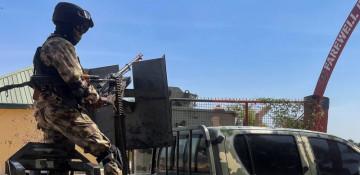
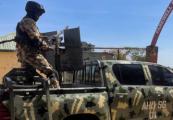
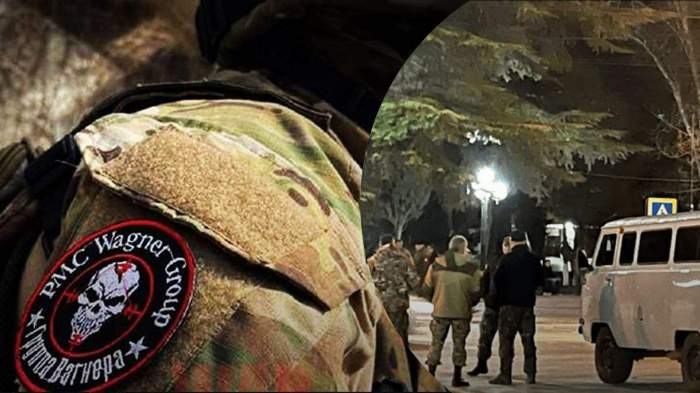
The situation escalated when videos allegedly showing a person in camouflage with a Wagner Group patch alongside Venezuelan police during the protests appeared on social media. This group, known for its operations and alleged human rights violations, is actively involved in conflicts worldwide, including Syria, Ukraine, and several African countries.
Reports of Wagner Group's presence in Venezuela are not new. In 2019, Reuters reported that up to 400 mercenaries were sent to Caracas to bolster President Maduro's security during unrest following disputed elections. The group has also been involved in training elite Venezuelan units.
Relations between Venezuela and Russia have a long history. Russia is a major creditor to the Venezuelan government, providing about $17 billion in loans since 2006. Moscow also maintains an interest in Venezuela's vast oil reserves through the state-owned energy company Rosneft.
Russia has periodically sent nuclear-capable Tu-160 bombers to Venezuela to help modernize its weakened air force, further demonstrating the close military ties between the two countries.


Similar news