A seven day chronology of developments in the Israel Gaza war


Over the past seven days, the war between Israel and armed groups in Gaza Strip has remained intense, marked by continued military operations, deepening humanitarian strain, and renewed diplomatic activity focused on ceasefire arrangements and hostage related negotiations, News.az reports.
While the pace of fighting has fluctuated, the overall trajectory of the conflict continues to be defined by sustained pressure, high civilian impact, and unresolved political objectives.
This chronology outlines the main developments date by date, capturing how military, humanitarian, and diplomatic dynamics have unfolded over the last seven days.
January 17, 2026
The week began with ongoing Israeli military operations across several parts of the Gaza Strip. Ground forces continued limited advances and raids in urban areas previously targeted, focusing on what Israeli officials described as remaining militant infrastructure, tunnel networks, and command sites.
Air activity remained constant, with strikes reported across northern and central Gaza. These operations were presented as part of a broader effort to prevent the regrouping of armed factions and to maintain pressure on leadership structures.
On the humanitarian front, conditions remained extremely fragile. Aid agencies and local authorities warned that fuel shortages, damaged water networks, and overcrowded shelters were compounding risks to civilian populations. Displacement continued to affect large segments of Gaza’s population, with many families moving multiple times within weeks.
January 18, 2026
Military activity intensified on the second day, particularly in central Gaza. Israeli forces expanded ground maneuvers in areas that had seen previous withdrawals, indicating a pattern of repeated operations aimed at denying long term control to armed groups.
Rocket launches from Gaza were reported, triggering air defense activity in southern Israel. While most projectiles were intercepted or landed in open areas, the exchanges reinforced the persistence of cross border fire despite months of sustained Israeli operations.
Diplomatic engagement also became more visible. Regional mediators increased contacts with both sides, focusing on humanitarian pauses, prisoner exchanges, and mechanisms to increase aid access. However, public messaging suggested that significant gaps remained between military objectives and political compromise.
January 19, 2026
The third day highlighted the growing humanitarian crisis. Medical facilities in Gaza reported critical shortages of supplies, electricity, and personnel. Hospitals operated under emergency conditions, often without reliable power, as generators struggled with limited fuel availability.
Israeli strikes continued across multiple zones, including areas where civilians had been advised to relocate earlier in the conflict. This contributed to further displacement and increased pressure on already overcrowded shelters.
In Israel, security authorities emphasized that operations would continue until core objectives were met, including the dismantling of militant capabilities and the return of hostages. Public debate inside Israel reflected tension between military aims and the humanitarian and diplomatic costs of prolonged fighting.
January 20, 2026
On January 20, the conflict showed signs of both escalation and restraint. Israeli forces conducted targeted strikes and raids rather than broad offensives, suggesting a focus on intelligence driven operations. At the same time, surveillance and air activity remained high.
Negotiations related to hostages and detainees gained renewed attention. Indirect talks involving regional intermediaries were described as ongoing, with discussions centering on phased exchanges and temporary ceasefire arrangements. Expectations remained cautious, with no confirmation of imminent breakthroughs.
Humanitarian agencies continued to call for expanded access routes into Gaza, warning that existing aid flows were insufficient to meet basic needs. Civilian hardship remained the dominant feature of daily life inside the enclave.
January 21, 2026
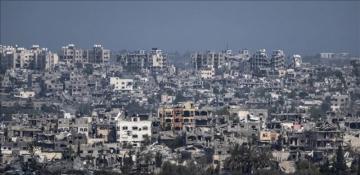
The fifth day underscored the cumulative impact of sustained conflict. Infrastructure damage, including roads, housing, water systems, and communications, limited mobility and coordination of aid delivery. Many areas remained effectively inaccessible due to destruction and security concerns.
Israeli military statements stressed that operations were being conducted in stages and would adapt based on battlefield assessments. Officials signaled that future phases could include further withdrawals or redeployments, depending on security conditions.
Within Gaza, local governance structures struggled to maintain basic services. The breakdown of administrative capacity contributed to insecurity, food shortages, and the spread of disease, particularly in densely populated shelters.
January 22, 2026
Diplomatic developments took greater prominence. Regional and international actors intensified efforts to frame a possible ceasefire framework that would include humanitarian guarantees, phased releases of detainees, and monitoring mechanisms.
Despite these efforts, fighting did not stop. Israeli strikes and ground actions continued, while militant groups maintained sporadic rocket fire. The pattern reinforced the reality that negotiations were occurring alongside active hostilities rather than replacing them.
Public discourse across the region reflected growing concern about the long term trajectory of Gaza, including questions about governance, reconstruction, and security arrangements once large scale fighting eventually subsides.
January 23, 2026
The final day of the seven day period reflected a familiar duality: continued military pressure paired with cautious diplomatic movement. Israeli forces maintained operational tempo in selected areas, while avoiding announcements of major new offensives.
Talks on ceasefire terms and humanitarian arrangements remained active but inconclusive. Statements from involved parties suggested that core disagreements persisted, particularly regarding security control, guarantees, and post conflict administration.
For civilians in Gaza, daily conditions remained dire. Displacement, limited access to clean water, inadequate medical care, and food insecurity continued to shape everyday survival, underscoring the war’s heavy humanitarian toll.
What the last seven days reveal
First, the conflict remains structurally unresolved. Military operations have shifted in scale and form, but neither side has achieved a decisive outcome that would fundamentally alter the strategic balance.
Second, humanitarian conditions in Gaza continue to deteriorate. Infrastructure damage and restricted access have turned civilian survival into a central issue of the war, increasingly shaping international engagement and diplomatic urgency.
Third, diplomacy is active but constrained. Negotiations on ceasefires and exchanges demonstrate sustained mediation efforts, yet they have not produced a durable pause in fighting or a comprehensive political framework.
Finally, the war has entered a phase defined by endurance rather than rapid change. Incremental military actions, persistent humanitarian crisis, and cautious political maneuvering now coexist, creating a prolonged and unstable status quo.
Taken together, the past seven days illustrate a conflict that remains intense but directionally uncertain. Military force, humanitarian pressure, and diplomatic initiatives continue to interact, without any single element yet determining the war’s outcome.
By Faig Mahmudov


Similar news