How the Israel–Gaza war evolved over the past week


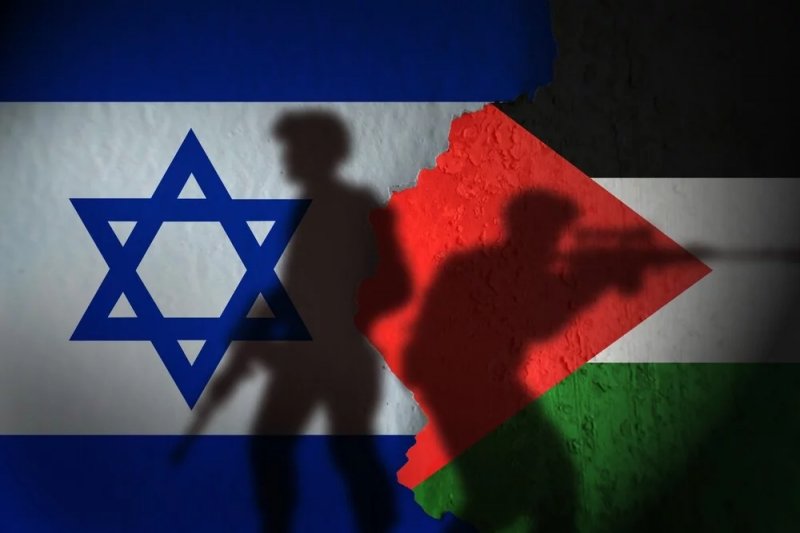
This weekly news overview outlines key military humanitarian and diplomatic developments in the Gaza-Israel war focusing on civilian impact operational trends and international efforts shaping the conflict during recent days, News.az reports.
January 12, 2026: Renewed Israeli strikes and ground activity intensify pressure across Gaza
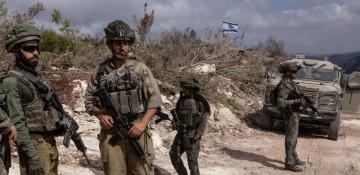
Israeli forces expanded air and ground operations across several parts of the Gaza Strip at the start of the week. Military officials stated that the focus remained on degrading armed group command structures weapons storage sites and tunnel networks. Air strikes were reported in northern and central areas while ground units continued limited advances supported by armored vehicles and surveillance drones.
Palestinian authorities in Gaza reported growing humanitarian strain as residential neighborhoods experienced damage and displacement increased. Emergency responders struggled to reach some areas due to security conditions and debris. Aid organizations warned that fuel shortages were limiting the operation of hospitals water pumping stations and communications systems.
The Israeli government reiterated that operations would continue until security objectives were achieved. Officials emphasized that civilian evacuation advisories had been issued in advance of some strikes while humanitarian corridors remained a point of dispute between Israel and international agencies.
January 13, 2026: Humanitarian concerns dominate as aid access remains constrained
International attention increasingly focused on humanitarian access as aid agencies reported difficulties delivering food medical supplies and fuel into Gaza. Border crossings operated intermittently with inspections and security procedures slowing deliveries. Aid groups warned that existing stockpiles were insufficient to meet the needs of the population under ongoing conflict conditions.
Hospitals reported operating under emergency protocols with limited power and supplies. Medical staff described prioritizing critical cases while postponing non emergency procedures. The strain on health services highlighted the cumulative effect of weeks of fighting rather than a single day of escalation.
Diplomatic discussions intensified among regional and global actors seeking mechanisms to expand humanitarian access without undermining security concerns. While no breakthrough was announced the issue became central to public statements and closed door negotiations.
January 14, 2026: Regional diplomacy accelerates amid fears of wider escalation
Regional governments increased diplomatic engagement aimed at preventing the Gaza conflict from spilling over into a broader confrontation. Talks involved Egypt Qatar and other regional mediators focusing on de escalation measures and potential frameworks for temporary pauses in fighting.
Israel maintained that military pressure was necessary to achieve long term security while signaling openness to limited humanitarian arrangements. Palestinian representatives emphasized the need for a comprehensive ceasefire and international guarantees for civilian protection.
Along Israel’s northern frontier and in the Red Sea region security incidents continued to raise concerns about interconnected theaters. Analysts noted that while these developments remained contained they contributed to a heightened sense of regional instability influencing diplomatic calculations.
January 15, 2026: Civilian displacement and infrastructure damage deepen long term risks
Reports throughout Gaza pointed to continued civilian displacement as families moved repeatedly in search of relative safety. Temporary shelters including schools and public buildings became overcrowded increasing health and sanitation risks. Aid workers warned that winter weather compounded hardships for displaced populations lacking adequate shelter and heating.
Infrastructure damage extended beyond housing to roads water networks and telecommunications. Repair efforts were limited by ongoing hostilities and shortages of materials. The degradation of basic services raised concerns about long term recovery prospects even if fighting were to subside in the near future.
Israeli officials acknowledged infrastructure impacts but argued that responsibility lay with armed groups operating within civilian areas. This narrative contrast remained central to international debates and media coverage.
January 16, 2026: Military operations continue as ceasefire efforts stall
Israeli military activity continued at a steady pace with targeted strikes and localized ground maneuvers. Officials described operations as methodical and intelligence driven emphasizing the aim of reducing future attack capabilities against Israel.
Ceasefire discussions showed limited progress despite sustained mediation. Key disagreements centered on the duration of any pause the release of detainees and guarantees regarding future military actions. Observers noted that both sides appeared to be positioning themselves for leverage rather than compromise.
Public sentiment in Israel and Gaza reflected fatigue and uncertainty. In Israel debates focused on security outcomes and the return of hostages while in Gaza the dominant concern remained survival and access to basic necessities.
January 17, 2026: International pressure grows for political pathway beyond fighting
International partners increased calls for a political horizon to accompany any military or humanitarian measures. Statements from European and regional capitals emphasized the need to link short term de escalation with longer term governance and security arrangements for Gaza.
Israel responded cautiously acknowledging discussions about post conflict administration but avoiding detailed commitments. Palestinian officials argued that without addressing core political issues including statehood and reconstruction governance cycles of violence would continue.
Economic considerations also gained attention as analysts assessed the cost of prolonged conflict on regional trade investment and stability. The destruction of infrastructure and disruption of commerce were seen as factors with consequences extending well beyond Gaza.
January 18, 2026: Week ends with continued fighting and unresolved humanitarian crisis
As the week concluded fighting continued across Gaza with no comprehensive ceasefire in place. Air strikes and ground engagements persisted while humanitarian conditions remained fragile. Aid agencies reiterated warnings about food insecurity disease risk and the collapse of essential services if access did not improve.
Diplomatic channels remained active but fragmented. Mediators spoke of incremental steps rather than sweeping agreements reflecting the complexity of balancing security humanitarian and political demands.
The events of the past seven days underscored how the Gaza Israel war has entered a prolonged phase defined by endurance and resilience. Military operations humanitarian suffering and diplomatic maneuvering unfolded simultaneously shaping a conflict with deep local and regional implications.


Similar news