Armenia is preparing not for defense but for a new war


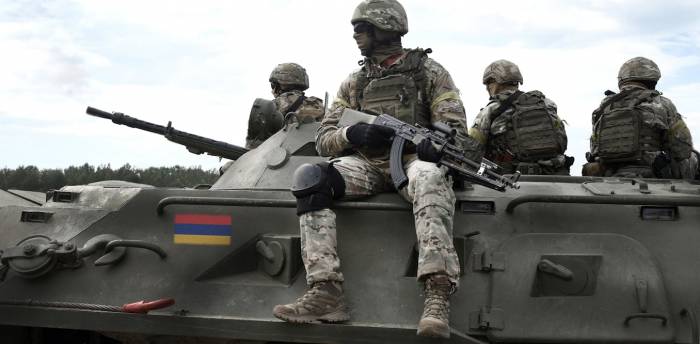
The Institute for Economics and Peace (IEP) has published a report titled "Current Trends in Militarization," outlining global trends in countries' military expenditures. According to the report, Armenia's military spending has reached 4.2% of its GDP, which is higher than Azerbaijan's 3.8%. Notably, since 2008, Armenia's military expenditures have increased by 0.7% , while in Azerbaijan, the growth has been only 0.5%.
For comparison, the military sector occupies a significant place in the economies of countries like North Korea, where it accounts for at least 24% of GDP according to 2023 data. In Afghanistan, this share is 10%, and in Middle Eastern and African countries such as Oman (5.9%), Algeria (4.8%), Mali, Morocco, and Saudi Arabia (4.5% each), military spending also plays a significant role in the economy.
In neighboring Georgia, military spending accounts for only 1.3% of GDP, a notable decrease of 6.6% since 2008. Russia's military spending is 2.4% of GDP, Turkey's is 0.7%, and Iran's is 2.2%. Even in the U.S. economy, military spending accounts for 3.1%, significantly lower than in previous years when it reached 4.7%.
Armenia, historically involved in several conflicts and military tensions in the region, has been increasing its military spending in recent years. These are not just budget numbers but a crucial indicator of the state's strategic intentions. Analyzing the growth of military expenditures, especially compared to Azerbaijan, it becomes evident that Armenia is directing significant resources not just to strengthen its defense capabilities but rather to prepare for a new phase of conflict.
For Armenia, 2020 was a year of defeat when Azerbaijan regained its occupied territories. The internal disappointment and national trauma associated with these events have fostered revanchist sentiments within Armenian society. Instead of focusing on economic recovery and improving the population's quality of life, the Armenian leadership seems to have chosen another path—militarization and preparation for a possible revenge.
The increase in Armenia's military spending to 4.2% of GDP is a serious signal that cannot be ignored. By comparison, Azerbaijan's military spending, a country with historically tense relations with Armenia, stands at 3.8% of GDP. The obvious question arises: why is Armenia spending such significant funds on its military when it is clear that this could lead to a new round of tensions in the region?
The answer is simple—Armenia is preparing not for defense but for a new war. Amid geopolitical instability and rising tensions in the South Caucasus, Yerevan is actively building up its military potential. This can be seen as part of the preparation for a possible revenge for the defeat in Karabakh and an attempt to regain lost influence in the region.
Key external partners of Armenia—India and France—play a crucial role in this process by actively supplying it with weapons. But where does Armenia, a country with limited economic resources, find the means to purchase such expensive arms? This question remains open, but several assumptions can be made.
Firstly, it is likely that Armenia receives significant loans from its partners to buy weapons. Such a practice is widespread among major arms exporters, especially when the purchasing country has limited financial capabilities. Secondly, the role of the Armenian diaspora, especially in the U.S. and Europe, which may contribute significant funds to Armenia's military programs, cannot be ruled out. Finally, it is possible that Armenia's militarization is backed by broader geopolitical interests, and some countries, interested in changing the balance of power in the region, are secretly providing financial support to Armenia.
India and France likely see Armenia as an important strategic partner in their geopolitical calculations and are ready to provide not only weapons but also funds for their purchase. This could mean that Armenia's militarization is driven by broader strategic interests aimed at destabilizing the region and creating new hotspots of tension.
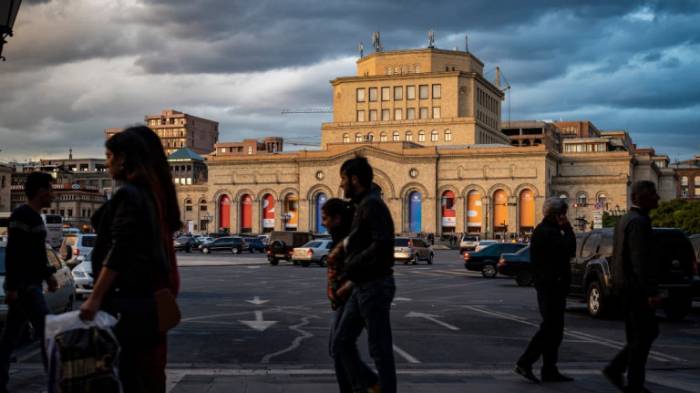
Despite external support, Armenia's economic situation remains fragile. The country still heavily depends on external inflows, including economic aid from Russia, which retains significant influence over Armenia's economy. However, despite this dependence, Yerevan continues to increase its defense spending, which could negatively affect other aspects of the economy.
In a context of limited resources, militarization could lead to cuts in funding for social programs, infrastructure projects, and other important areas. Armenia is taking a risk by investing significant funds in its armed forces, as this could lead to economic instability. But for those preparing the country for a new war, such sacrifices are likely deemed justified.
It seems that Armenia has chosen a path not of defense but of preparing for a new conflict. The increase in military spending, active armament, and revanchist sentiments are all signs that the South Caucasus may face a new wave of violence in the near future. Armenia is preparing not to defend its statehood but to go on the offensive, which could have catastrophic consequences for both the region and the international community.
This choice poses a serious threat to stability in the region. If Armenia continues to increase military spending and prepare for a possible war, it could lead to a new conflict with devastating consequences for all the countries involved in this process. The international community must pay attention to these alarming signals and take steps to prevent an escalation of violence in the South Caucasus.
Another critical aspect that underscores Armenia's precarious position is its national debt , which has now surpassed $12 billion, amounting to more than 50% of its GDP. This debt level poses significant risks, especially when 13% of the national budget is already allocated to servicing this debt. According to data from the Eurasian Economic Commission (EEC), Armenia's foreign reserves stand at a mere $3.6 billion, making the national debt nearly four times greater than the country's reserves. This stark imbalance raises serious concerns about the sustainability of Armenia's financial strategy, particularly as it continues to channel substantial funds into military expenditures.
The international community should take note of these developments. The combination of Armenia's growing debt, its military build-up, and the potential for external influence driving its policies presents a volatile mix that could destabilize the South Caucasus further. A diplomatic intervention aimed at de-escalating tensions and encouraging Armenia to adopt a more balanced approach to its national priorities is urgently needed to prevent a catastrophic conflict that could have far-reaching consequences beyond the region.
For comparison, the military sector occupies a significant place in the economies of countries like North Korea, where it accounts for at least 24% of GDP according to 2023 data. In Afghanistan, this share is 10%, and in Middle Eastern and African countries such as Oman (5.9%), Algeria (4.8%), Mali, Morocco, and Saudi Arabia (4.5% each), military spending also plays a significant role in the economy.
In neighboring Georgia, military spending accounts for only 1.3% of GDP, a notable decrease of 6.6% since 2008. Russia's military spending is 2.4% of GDP, Turkey's is 0.7%, and Iran's is 2.2%. Even in the U.S. economy, military spending accounts for 3.1%, significantly lower than in previous years when it reached 4.7%.
Armenia, historically involved in several conflicts and military tensions in the region, has been increasing its military spending in recent years. These are not just budget numbers but a crucial indicator of the state's strategic intentions. Analyzing the growth of military expenditures, especially compared to Azerbaijan, it becomes evident that Armenia is directing significant resources not just to strengthen its defense capabilities but rather to prepare for a new phase of conflict.
For Armenia, 2020 was a year of defeat when Azerbaijan regained its occupied territories. The internal disappointment and national trauma associated with these events have fostered revanchist sentiments within Armenian society. Instead of focusing on economic recovery and improving the population's quality of life, the Armenian leadership seems to have chosen another path—militarization and preparation for a possible revenge.
The increase in Armenia's military spending to 4.2% of GDP is a serious signal that cannot be ignored. By comparison, Azerbaijan's military spending, a country with historically tense relations with Armenia, stands at 3.8% of GDP. The obvious question arises: why is Armenia spending such significant funds on its military when it is clear that this could lead to a new round of tensions in the region?
The answer is simple—Armenia is preparing not for defense but for a new war. Amid geopolitical instability and rising tensions in the South Caucasus, Yerevan is actively building up its military potential. This can be seen as part of the preparation for a possible revenge for the defeat in Karabakh and an attempt to regain lost influence in the region.
Key external partners of Armenia—India and France—play a crucial role in this process by actively supplying it with weapons. But where does Armenia, a country with limited economic resources, find the means to purchase such expensive arms? This question remains open, but several assumptions can be made.
Firstly, it is likely that Armenia receives significant loans from its partners to buy weapons. Such a practice is widespread among major arms exporters, especially when the purchasing country has limited financial capabilities. Secondly, the role of the Armenian diaspora, especially in the U.S. and Europe, which may contribute significant funds to Armenia's military programs, cannot be ruled out. Finally, it is possible that Armenia's militarization is backed by broader geopolitical interests, and some countries, interested in changing the balance of power in the region, are secretly providing financial support to Armenia.
India and France likely see Armenia as an important strategic partner in their geopolitical calculations and are ready to provide not only weapons but also funds for their purchase. This could mean that Armenia's militarization is driven by broader strategic interests aimed at destabilizing the region and creating new hotspots of tension.
Despite external support, Armenia's economic situation remains fragile. The country still heavily depends on external inflows, including economic aid from Russia, which retains significant influence over Armenia's economy. However, despite this dependence, Yerevan continues to increase its defense spending, which could negatively affect other aspects of the economy.
In a context of limited resources, militarization could lead to cuts in funding for social programs, infrastructure projects, and other important areas. Armenia is taking a risk by investing significant funds in its armed forces, as this could lead to economic instability. But for those preparing the country for a new war, such sacrifices are likely deemed justified.
It seems that Armenia has chosen a path not of defense but of preparing for a new conflict. The increase in military spending, active armament, and revanchist sentiments are all signs that the South Caucasus may face a new wave of violence in the near future. Armenia is preparing not to defend its statehood but to go on the offensive, which could have catastrophic consequences for both the region and the international community.
This choice poses a serious threat to stability in the region. If Armenia continues to increase military spending and prepare for a possible war, it could lead to a new conflict with devastating consequences for all the countries involved in this process. The international community must pay attention to these alarming signals and take steps to prevent an escalation of violence in the South Caucasus.
Another critical aspect that underscores Armenia's precarious position is its national debt , which has now surpassed $12 billion, amounting to more than 50% of its GDP. This debt level poses significant risks, especially when 13% of the national budget is already allocated to servicing this debt. According to data from the Eurasian Economic Commission (EEC), Armenia's foreign reserves stand at a mere $3.6 billion, making the national debt nearly four times greater than the country's reserves. This stark imbalance raises serious concerns about the sustainability of Armenia's financial strategy, particularly as it continues to channel substantial funds into military expenditures.
The international community should take note of these developments. The combination of Armenia's growing debt, its military build-up, and the potential for external influence driving its policies presents a volatile mix that could destabilize the South Caucasus further. A diplomatic intervention aimed at de-escalating tensions and encouraging Armenia to adopt a more balanced approach to its national priorities is urgently needed to prevent a catastrophic conflict that could have far-reaching consequences beyond the region.
(If you possess specialized knowledge and wish to contribute, please reach out to us at opinions@news.az).


Similar news