Australia faces unusually warm winter as El Nino risk rises


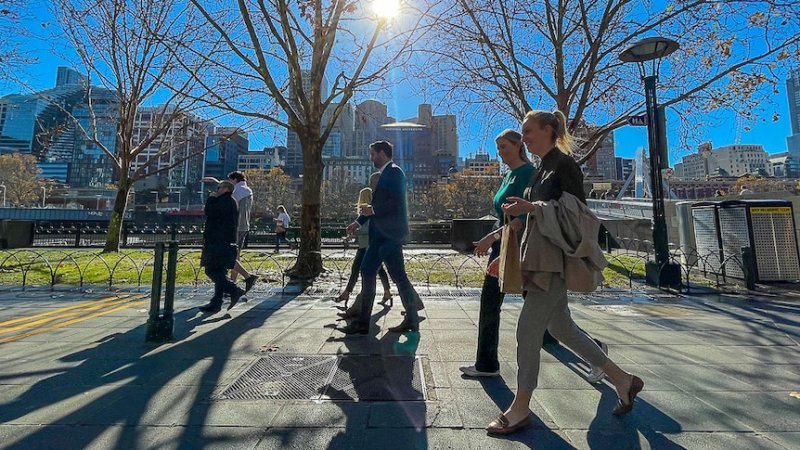
Millions across Australia are preparing for an unusually warm winter, after the Bureau of Meteorology of Australia released its long-range seasonal forecast, warning that conditions are expected to be significantly warmer than average as the threat of El Nino looms, News.Az reports, citing News.com.au.
Despite temperatures already beginning to drop as the winter season sets in, the forecast indicates that conditions will remain warmer than usual across much of the country.
While residents along the southern and eastern coasts typically experience wet winter conditions, the bureau’s outlook suggests that many Australians in the southeast are likely to keep their umbrellas unused for much of the season.
RECOMMENDED STORIES
The forecast also predicts below-average rainfall for the three-month period from June to August. Areas most likely to be affected include South East Queensland, eastern New South Wales, most of Victoria, southern South Australia, eastern Tasmania, and western parts of Western Australia.
The Bureau of Meteorology of Australia (Bureau of Meteorology) said the outlook reflects a strong likelihood of drier-than-normal conditions across these regions.
The pattern is being closely watched alongside the potential development of El Nino conditions, which are often associated with reduced rainfall and warmer temperatures in Australia.
Climatologist Felicity Gamble told NewsWire there was a “very high chance” of warmer than median temperatures this winter.
“When we look at the chances of seeing unusually warm temperatures, that means temperatures in that top 20 per cent of the historical range,” she said.
“We’re actually seeing very high chances of reaching those sorts of temperatures as well during winter.”
The only region anticipated to experience a throughly wet winter is western Tasmania, with a 60 per cent to 80 per cent chance of above-average rainfall.
“The dry signal over the three‑month period is heavily driven by stronger probabilities of below‑average rainfall emerging later in the season,” the bureau said.
By Nijat Babayev


Similar news