Beijing accuses foreign media of ‘smearing’ Hong Kong national security law


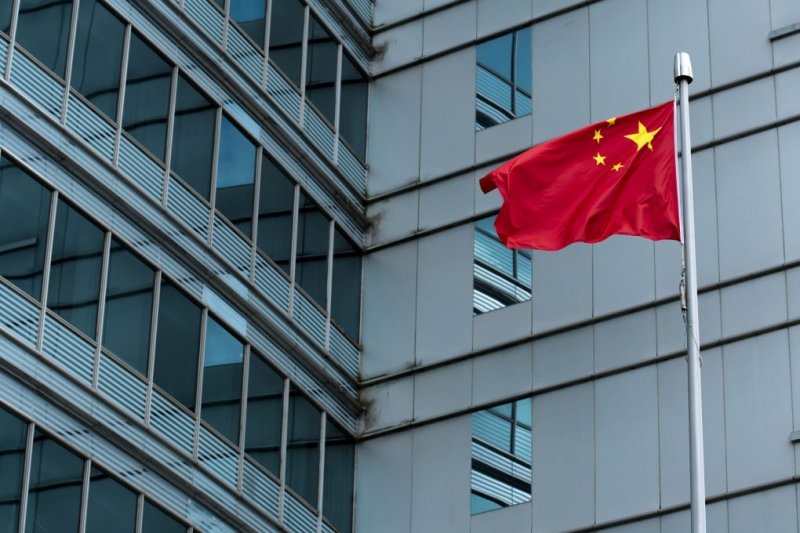
Beijing’s diplomatic office in Hong Kong issued a strong rebuke Tuesday against foreign media outlets, including BBC News Chinese and Japan’s Nikkei, accusing them of “ideological bias” and publishing “distorted” coverage of the city’s national security law on its fifth anniversary.
In a sharply worded statement, the Commissioner’s Office of the Ministry of Foreign Affairs in Hong Kong said these outlets had deliberately misrepresented the effects of the 2020 Beijing-imposed law, undermining the legitimacy of “one country, two systems,” News.Az reports, citing SCMP.
“These reports and commentaries smear the national security law and discredit the successful practice of ‘one country, two systems’ in Hong Kong,” the office said. It called on the organizations to cease publishing “erroneous remarks” and urged them to “uphold professional ethics.”
The criticism came in response to recent special coverage by BBC News Chinese and Nikkei. The BBC series included data on arrests and convictions under the national security law and explored how it has shaped daily life in Hong Kong, featuring interviews with teachers, students, and community members.
Nikkei’s coverage included an interview with Sam Yip Kam-lung, a former Hong Kong district councillor now living in Japan. Yip spoke of fears surrounding the law’s extraterritorial reach and said he self-censors online posts to avoid legal risks. He expressed sadness over being unable to return home due to safety concerns.
The foreign ministry’s Hong Kong office denounced such interviews as “amplifying anti-China voices” and claimed they were part of a broader effort to support “forces that seek to destabilize Hong Kong.”
“By portraying exiled agitators as victims, these media outlets are attempting to mislead the international community,” the statement said. “Their political motives are completely transparent.”
In defense of the law, the office touted Hong Kong’s restored stability and improved economic rankings, claiming the city is now among the top three international financial centers globally. It further asserted that national security laws are common practice worldwide and accused foreign media of hypocrisy for overlooking stricter security laws in their own countries.
The statement also underscored that over the past five years, the law has enabled Hong Kong to “return to order,” secure economic development, and strengthen the “patriots governing Hong Kong” principle.
Despite mounting criticism from international rights groups, Beijing has remained firm in its stance, framing the national security law as a necessary tool to safeguard sovereignty and prevent unrest in the semi-autonomous city.


Similar news