California confirms first US case of severe mpox strain with no travel history


The first U.S. case of a more severe strain of mpox, with no recent travel history, has been identified in California.
Health officials said this week that the case was confirmed in a Long Beach resident. The patient required hospitalization and is now isolating and recovering at home, News.Az reports citing ABC news.
No other identifying details were provided about the patient, including name, age or sex.
While this is the seventh case of the more severe strain confirmed in the U.S this year, it is the first without known travel, according to local officials.
Officials say the risk to the general public is low and the health department is conducting an investigation, including working to identify the patient's potential sources of exposure.
"We are taking this very seriously and ensuring our community and health care partners remain vigilant so we can prevent any more cases," Long Beach Mayor Rex Richardson said in a press release. "This underscores the importance of continued surveillance, early response and vaccination."
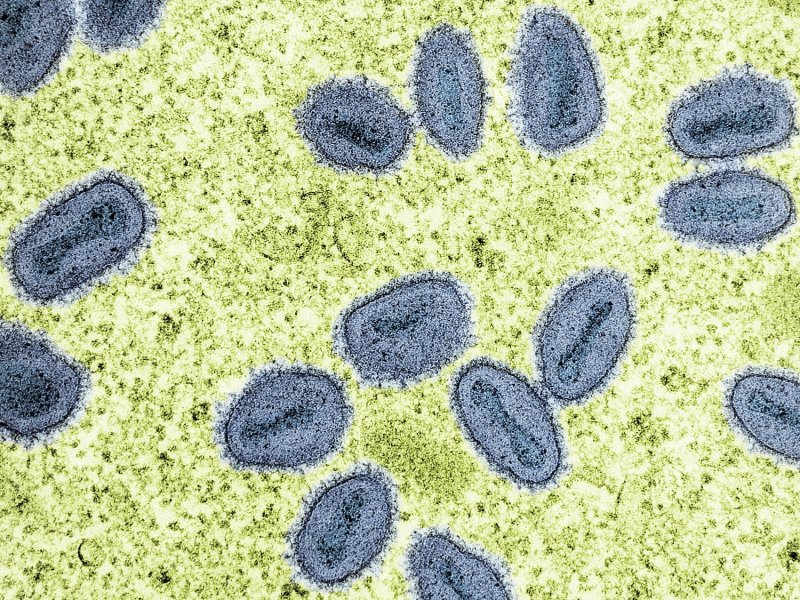
There are two types of the virus that cause mpox: clade I and clade II, with clade roughly meaning they are descended from a common ancestor organism. Clade I has historically been associated with severe illness and death, and is endemic to parts of central and western Africa, according to the Centers for Disease Control and Prevention (CDC).
Clade II was responsible for a large outbreak that peaked in summer 2022, leading to more than 100,000 cases in 122 countries, including more than 30,000 cases in the U.S.
The less severe strain in the U.S. has continued circulating at low levels and has remained relatively stable.


Similar news