Why does the IRGC say the US naval blockade of Iranian ports is still continuing?


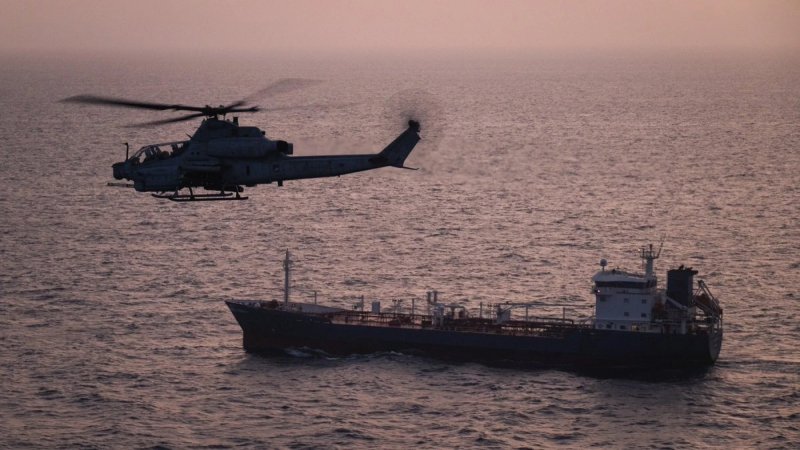
Iran’s Islamic Revolutionary Guard Corps (IRGC) says the United States is still maintaining a naval blockade targeting Iranian ports despite ongoing diplomatic discussions and ceasefire-related negotiations.
Iranian officials argue that the continued presence of US naval forces restricting maritime traffic to and from Iranian ports amounts to an ongoing act of pressure against Tehran, News.az reports.
RECOMMENDED STORIES
Why is the blockade important?
The blockade has become one of the most significant issues in the broader confrontation between Washington and Tehran.
The United States says the measures are aimed at restricting Iranian military and economic activities while protecting maritime security in the Gulf region. Iran, however, considers the blockade a violation of understandings reached during previous negotiations and ceasefire discussions.
When did the US blockade begin?
The United States announced the blockade following the collapse of diplomatic efforts aimed at ending the broader conflict involving Iran and regional actors.
US military officials stated that naval forces would enforce restrictions on vessels entering or leaving Iranian ports while maintaining freedom of navigation for ships traveling to non-Iranian destinations through the Strait of Hormuz.
What did the IRGC say?
Senior IRGC figures have accused Washington of continuing hostile policies despite discussions about possible de-escalation.
Iranian officials argue that maintaining restrictions on Iranian shipping undermines trust and makes diplomatic progress more difficult. According to Iranian statements, the continuation of the blockade demonstrates that the crisis has not been fully resolved despite periods of reduced military activity.
How does the blockade affect Iran?
The restrictions have had significant economic consequences.
Iran relies heavily on maritime exports, particularly oil shipments. Limiting access to international shipping routes can reduce export revenues, complicate trade operations and increase transportation costs.
Iranian officials argue that the measures amount to economic warfare and are designed to weaken the country’s economy through pressure on trade and energy exports.
What role does the Strait of Hormuz play?
The Strait of Hormuz is one of the world's most important energy chokepoints.
A substantial share of global oil and gas exports passes through the narrow waterway connecting the Persian Gulf to international markets. Any disruption in the area can immediately affect global energy prices and shipping operations.
Because of its strategic importance, developments involving the Strait of Hormuz are closely monitored by governments, energy companies and financial markets worldwide.
Has Iran threatened a response?
Yes.
Iranian officials and IRGC-affiliated media have repeatedly warned that Tehran could take further action if the blockade remains in place.
Past statements have included threats to restrict maritime access, impose additional controls in the Strait of Hormuz or respond through other military and economic measures.
Is there still a chance for a diplomatic agreement?
Diplomatic efforts continue despite tensions.
Reports have indicated discussions regarding a possible framework that could include reopening shipping routes, easing restrictions and reducing military activity in the region. However, major disagreements remain over implementation mechanisms, verification procedures and broader security issues.
As long as those disagreements remain unresolved, tensions are likely to continue.
Why is this development attracting international attention?
The dispute extends beyond the United States and Iran.
Any escalation involving Iranian ports or the Strait of Hormuz could affect global energy supplies, international shipping networks and regional security. Countries across Europe, Asia and the Middle East depend on stable maritime traffic through Gulf waters.
As a result, statements from the IRGC regarding the continuation of the blockade are being watched closely by international markets and foreign governments.
Could tensions rise again?
The possibility remains.
Although both sides have periodically signaled interest in reducing tensions, the continued disagreement over the naval blockade remains one of the most sensitive issues in US-Iran relations.
Future developments will likely depend on whether diplomatic negotiations can produce a mutually acceptable arrangement regarding shipping access, sanctions, security guarantees and regional military activity.
By Faig Mahmudov


Similar news