Earth Day 2026: real change starts at community level


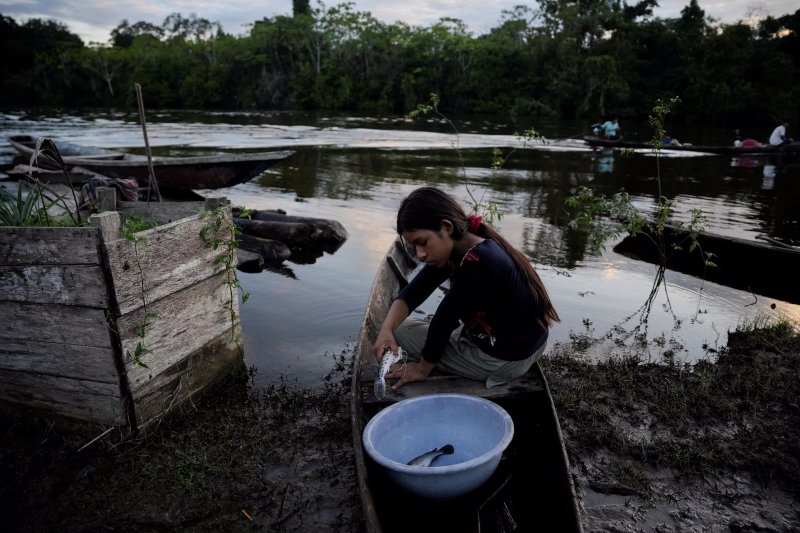
Earth Day 2026 is more than a symbolic moment—it’s a call for a new generation to rethink how climate action is designed and delivered.
This year’s message highlights a critical shift: meaningful environmental progress does not come from top-down policies alone. Instead, experts argue that empowering local communities—especially youth and women—is key to building lasting, scalable climate solutions, News.Az reports, citing foreign media.
While large-scale tools such as green bonds, artificial intelligence, and billion-dollar climate funds remain important, they are not enough on their own. Real impact often comes from grassroots initiatives led by people who understand their land and ecosystems best.
RECOMMENDED STORIES
Community-driven, nature-based solutions—such as reforestation, sustainable agriculture, and local restoration projects—can deliver measurable environmental benefits while also strengthening local economies and social resilience.
However, these initiatives are often underfunded. One major challenge is that their long-term returns do not always fit traditional short-term investment models, making them less attractive to large investors.
Millennials are now stepping into leadership roles across business, government, and civil society, placing them in a unique position to drive change.
They combine professional influence with a strong sense of purpose, and are equipped with digital tools that allow ideas and movements to scale quickly.
At the same time, they face overlapping global challenges—from climate change to economic uncertainty and technological disruption—making climate action more urgent than ever.
The theme of Earth Day 2026, “Our Power, Our Planet,” reflects this reality: real change depends on people actively shaping the future of the planet.
Experts highlight several practical steps that can deliver real impact:
Support local projects: Small-scale initiatives like tree planting, community gardens, or ecosystem restoration can create lasting environmental and social benefits.
Fund community solutions: Grassroots fundraising and local partnerships can help close funding gaps in under-resourced areas.
Share real stories: Human-centered storytelling can raise awareness, attract funding, and build connections across generations.
These actions may seem modest, but they can scale over time and complement larger global efforts.
Earth Day 2026 serves as both a reminder and an opportunity: climate solutions must be inclusive, local, and people-driven to succeed.
Rather than waiting for perfect conditions or large-scale interventions alone, experts emphasize the need to invest directly in communities already working to restore their environments.
The message is clear—real change begins on the ground, and empowering people may be one of the most effective ways to protect the planet for future generations.
By Aysel Mammadzada


Similar news