FAQ: What is happening with the protests in Iran?


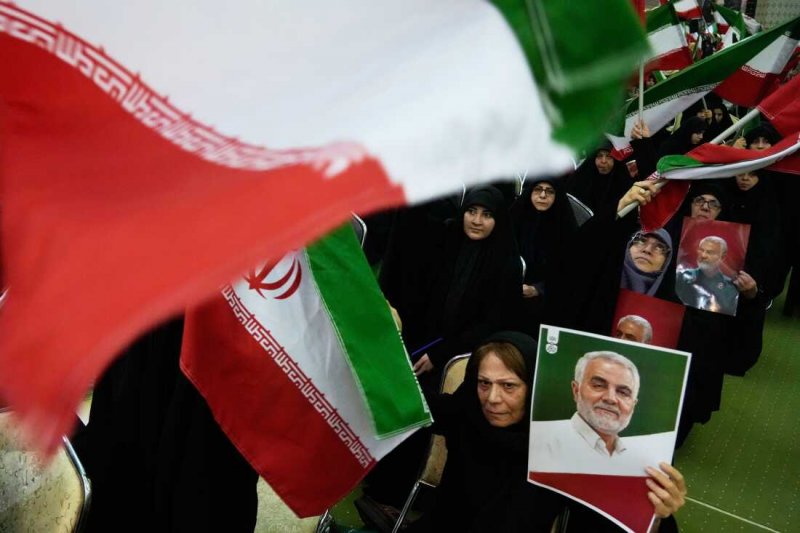
Iran is witnessing a renewed wave of protests that began in late December 2025 and continued into early January 2026. Demonstrations have erupted across multiple provinces and cities, reflecting widespread public dissatisfaction. While the intensity varies by location, the protests appear to be more geographically dispersed than many previous episodes of unrest.
How widespread are the protests?
Reports indicate protests in Tehran as well as in major regional centers such as Isfahan, Shiraz, Mashhad, Ahvaz, Tabriz, and several smaller cities. The participation of both large urban hubs and peripheral areas suggests that grievances are national rather than local in nature.
What initially triggered this wave of protests?
The immediate trigger was economic pressure. Key factors include:
- sharp depreciation of the national currency
- persistent high inflation
- rising prices for basic goods, food, and fuel
- declining purchasing power of wages and savings
For many Iranians, daily living costs have become increasingly unaffordable, creating a sense that economic survival itself is under threat.
Are the protests only about economic issues?
No. While economic hardship sparked the demonstrations, the protests have gradually taken on a broader political and social character. Economic grievances have evolved into wider frustrations about governance, corruption, lack of transparency, and limited opportunities for social mobility.
What specific demands are protesters making?
There is no single list of demands, but commonly voiced issues include:
- government action to stabilize prices and currency
- accountability for economic mismanagement
- reduction of corruption among political and economic elites
- greater personal and social freedoms
- improved prospects for young people
In some cases, slogans reportedly challenge the overall political order, not just specific policies.
Who is taking part in the protests?
Participants come from diverse backgrounds, including:
- workers affected by wage erosion
- small business owners struggling with costs
- students and young graduates facing unemployment
- middle-class families whose savings have lost value
This cross-sectional participation distinguishes the protests from more narrowly focused labor or student demonstrations.
Is there a leader or organized opposition behind the protests?
No clear leadership structure has emerged. The protests appear largely spontaneous and decentralized, coordinated through informal networks and social media rather than political parties or organized movements. Analysts note that this makes the protests harder to negotiate with, but also harder to sustain over time.
How have Iranian authorities responded so far?
Authorities have taken a firm security approach. Measures reported include:
- deployment of police and security forces to protest areas
- dispersal of crowds using force
- arrests of participants and activists
- temporary internet slowdowns or restrictions
- warnings against participation in “illegal gatherings”
Officials have framed the protests as a threat to national stability and accused foreign actors of encouraging unrest.
Have there been casualties or arrests?
According to media and human-rights reports, there have been fatalities and injuries, though exact figures vary and are difficult to independently confirm. Arrests have also been reported, particularly of individuals accused of organizing or promoting protests online.
How does this wave compare to earlier protests in Iran?
Observers highlight several differences:
- broader geographic spread
- faster shift from economic to political slogans
- deeper public fatigue with repeated cycles of crisis
At the same time, similarities remain, including the absence of unified leadership and the state’s reliance on security measures.
What role does the economy play in sustaining unrest?
The economy is central. Long-term sanctions, currency instability, and structural weaknesses have eroded public trust in the government’s ability to deliver improvement. Even if protests subside temporarily, unresolved economic pressures may fuel future unrest.
How has the international community reacted?
Western governments have issued statements calling for restraint and respect for the right to peaceful protest. The Iranian leadership has rejected these statements, describing them as interference in domestic affairs and part of broader political pressure.
Do the protests pose an immediate threat to the political system?
Most analysts say the system remains intact in the short term. The state retains strong security institutions and administrative control. However, recurring protests signal growing structural stress and declining public confidence, which could pose longer-term challenges.
What are the possible scenarios going forward?
Experts outline several possibilities:
- gradual suppression through security measures
- intermittent protests flaring up in response to economic shocks
- limited economic concessions aimed at calming public anger
- prolonged instability without decisive resolution
The outcome will largely depend on economic trends, public resilience, and the government’s policy choices.
Why do these protests matter beyond Iran?
Iran plays a key role in regional politics and global energy markets. Prolonged internal instability could affect regional security, foreign policy priorities, and international economic relations.


Similar news