How France tightened rules on Perrier Water


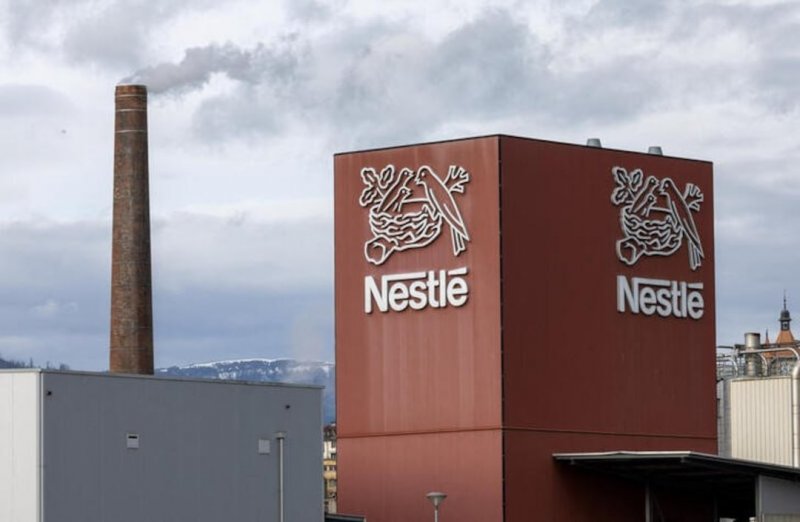
France has tightened oversight of Nestlé’s Perrier operations, granting the company continued permission to bottle Perrier as “natural mineral water” from only two wells at its Vergèze site in southern France, while imposing new scientific, monitoring, and quality conditions.
The move is the latest regulatory step in a wider French scrutiny of bottled mineral water practices, after investigations and public reporting raised questions about previously used treatment methods and the line between safety interventions and what EU law allows for products marketed as “natural mineral water.”
What happened and what changed
On December 19, 2025, local authorities in the Gard department authorized Nestlé to continue producing Perrier natural mineral water from two boreholes, while rejecting future authorization for three other wells that had been taken out of use. In practice, this narrows Perrier’s “natural mineral water” production footprint at Vergèze and locks the brand into a more constrained supply configuration than in the past.
The decision also establishes a compliance roadmap rather than a clean bill of health. Nestlé must deliver an additional study within 12 months on how its filtration approach affects the water’s microbiome, and it must carry out enhanced safety checks for two years, after which authorities will review water quality again.
Why regulators focused on filtration
Under EU rules, “natural mineral water” is supposed to be protected from treatments that change its essential characteristics. The relevant EU framework allows only limited interventions, such as separating unstable elements by filtration or decanting, provided the water’s essential constituents are not altered.
That legal standard matters because much of the Perrier controversy has centered on whether certain filtration thresholds function as de facto disinfection. French reporting has described authorities previously objecting to a 0.2 micron filtration configuration, with questions over whether it crosses the line from permissible filtration into prohibited treatment for a product sold as natural mineral water. Nestlé has said it moved to a different microfiltration setup and that the approach preserves Perrier’s mineral integrity, but regulators are demanding data, especially on microbiome impacts.
Why this matters for Nestlé and for consumers
For Nestlé, the immediate gain is continuity: Perrier can keep operating under the natural mineral water label, but only under stricter conditions, fewer wells, and a defined period of intensified scrutiny.
For consumers, the story is less about an overnight change in what is on shelves and more about regulatory confidence and labeling integrity. “Natural mineral water” is a premium designation. If authorities later conclude that the filtration method materially alters the water or that the underlying sources cannot consistently meet purity requirements without prohibited steps, the consequences could include further restrictions, a loss of designation, or shifts into differently labeled product lines.
Below is an FAQ explainer on what France’s new Perrier rules do, what questions they are trying to answer, and what to watch next.
What did France actually decide about Perrier production?
French authorities in Gard allowed Nestlé to continue producing Perrier natural mineral water using only two wells at the Vergèze site, while setting additional conditions and rejecting future authorization for three other wells previously suspended or taken out of use. The authorization is paired with a 12-month deadline for further scientific work and a two-year period of enhanced monitoring.
Why only two wells, and what happens to the others?
The decision effectively concentrates Perrier’s natural mineral water supply on two boreholes, while removing other wells from the natural mineral water pathway. Three wells will not be authorized for future Perrier natural mineral water production, signaling that parts of the historical source set no longer meet regulatory expectations.
What are the “new rules” or conditions Nestlé must follow?
The conditions include three core obligations. An additional study within 12 months on the impact of the filtration process on the water’s microbiome. Enhanced safety checks for a two-year period. A subsequent review of water quality after those two years.
What is the microbiome issue, and why do regulators care?
The microbiome refers to the community of microorganisms naturally present in the water source. Regulators want to ensure that filtration does not effectively sanitize the water or reshape its natural microbial balance in a way that undermines the “natural mineral water” designation.
What filtration method is Perrier using now, and what is controversial about it?
Nestlé reportedly replaced a 0.2 micron filtration setup with a 0.45 micron microfiltration system. The controversy lies in whether very fine filtration behaves like disinfection, which would conflict with EU rules governing natural mineral water.
Are these rules national French policy, or a local decision?
The authorization was issued by local authorities in the Gard department, but it is grounded in EU-level legislation that defines what can legally be marketed as natural mineral water across member states.
What does EU law say about treating “natural mineral water”?
EU law allows only limited treatments that do not alter the essential characteristics of the water. Filtration is permitted only insofar as it removes unstable elements without changing the water’s defining properties.
Does this mean Perrier was unsafe to drink?
The decision is not framed as a consumer safety warning. Instead, it reflects a compliance and labeling issue, combined with a desire for stronger long-term confidence in production processes.
What triggered the tighter oversight in the first place?
The scrutiny followed investigations and reporting into the use of treatment methods by bottled water producers, including Perrier, raising questions about compliance with natural mineral water rules.
What is the practical impact on Perrier’s production and supply?
With only two wells authorized, Nestlé faces tighter operational constraints. This reduces flexibility and increases reliance on the approved sources, making future regulatory reviews more consequential.
Could Perrier lose the “natural mineral water” label in the future?
Yes. The authorization is conditional, and future decisions will depend on the results of studies, monitoring, and legal proceedings related to labeling and treatment methods.
Are there legal cases connected to this issue?
Yes. Perrier has faced court challenges and competitor complaints related to the use of the “natural mineral water” designation, which could affect the brand independently of administrative approvals.
What should consumers watch for on labels and announcements?
Consumers should pay attention to any changes in labeling language and to official updates linked to the 12-month study deadline and the two-year monitoring review.
What happens next, and when are the key dates?
Key milestones include the submission of the microbiome study within 12 months, ongoing enhanced checks over two years, and a formal review of water quality at the end of that period.
What to take away
France’s decision represents conditional continuity rather than closure. Perrier can continue operating, but under tighter rules, fewer water sources, and closer scientific scrutiny. For regulators, it reinforces that “natural mineral water” is a legally protected category. For consumers and the industry, it signals that filtration practices and microbiological evidence will remain at the center of enforcement going forward.


Similar news