Massive U.S. nuclear force maneuvers: Scenarios, objectives, and signals to the world


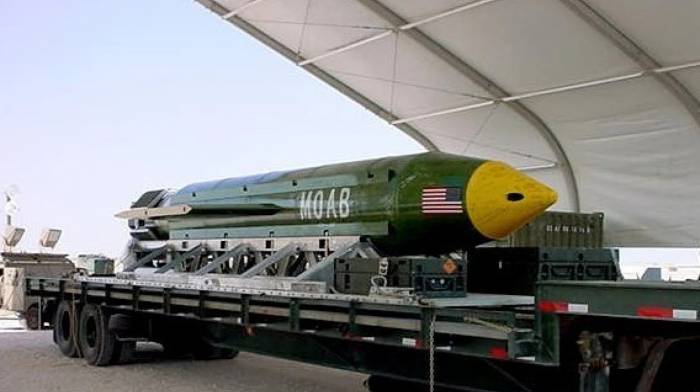
On September 25, 2024, the United States conducted large-scale strategic nuclear force exercises in the Pacific Ocean, News.Az reports.
According to available reports, the exercises involved several key elements, starting with flights by two B-52H bombers that took off from Barksdale Air Force Base. The first bomber remained airborne from 04:00 to 21:00, while the second operated from 04:00 to 13:00. Both aircraft were refueled mid-flight, which extended their time in the exercise zone and allowed them to continue their missions. The refueling took place between 08:00 and 08:30, marking a crucial part of the training, showcasing the U.S. ability to conduct prolonged strategic missions.
Submarines patrolled the northern Pacific Ocean, approximately 1,500 kilometers west of the northern U.S. coast, near Unimak Island. This area was specifically chosen for its distance from the continental shores, allowing U.S. submarines to remain undetected by potential adversaries. Simultaneously, the B-52H bombers operated in simulated threat conditions, effectively practicing coordination with the submarine forces.
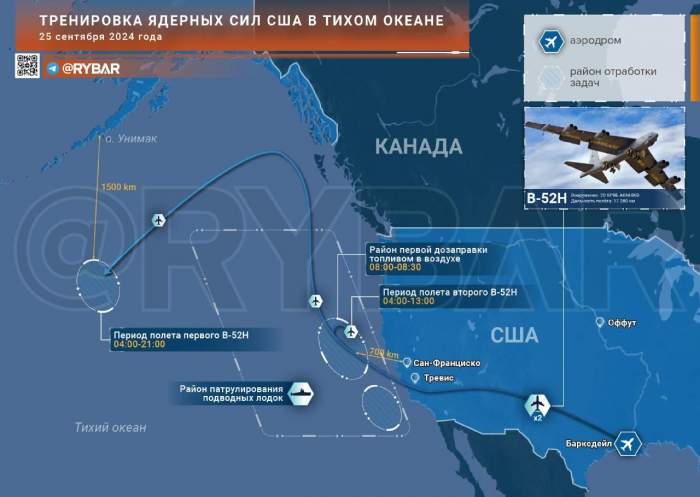
Exercises like these are vital for maintaining the readiness of U.S. nuclear forces. They ensure preparedness in the event of a nuclear conflict, facilitating seamless coordination among the nuclear triad: aviation, submarines, and ground-based missile systems. Beyond the technical training of flights, mid-air refueling, and patrolling, these exercises also serve as a powerful message to potential adversaries.
These drills occurred shortly after rumors surfaced about potential changes to Russia's nuclear doctrine, suggesting that they may represent a U.S. response to rising global tensions and the nuclear advancements of other nations. Analysts believe that these exercises highlight the U.S.'s readiness to respond to potential threats and demonstrate its commitment to protecting national interests, particularly in strategically vital regions like the Pacific. Such exercises also contribute to maintaining the balance of power in the global deterrence system, reaffirming the U.S.'s preparedness to use its nuclear forces when necessary to defend its allies and prevent conflict escalation.


Similar news