Myths about radiation that millions of people believe


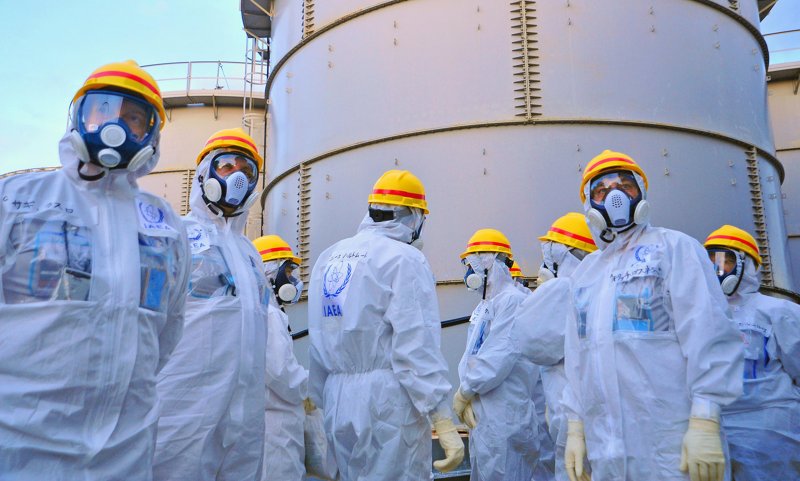
Radiation is one of the most misunderstood phenomena of the modern world. It is invisible, intangible, and often discussed in the context of nuclear accidents, weapons, or serious illness.
As a result, fear frequently replaces facts. Over decades, this fear has given rise to persistent myths that continue to circulate through social media, word of mouth, and even some news coverage. Understanding what radiation really is – and what it is not – is essential for making rational decisions, especially during periods of heightened public anxiety.
Below are the most widespread myths about radiation that millions of people continue to believe, explained in clear and evidence-based terms.
Myth 1: Radiation is always man-made
One of the most common misconceptions is that radiation only comes from human activity, such as nuclear power plants, weapons, or medical equipment. In reality, radiation has existed since the formation of the Earth and the universe itself.
Natural sources of radiation are everywhere. Cosmic rays from space constantly bombard the planet. The ground contains naturally occurring radioactive elements such as uranium, thorium, and potassium-40. Even the human body emits radiation due to naturally occurring isotopes in food and tissues.
On average, most people receive the majority of their annual radiation exposure from natural sources, not from man-made ones. Living at high altitude, flying frequently, or residing in regions with certain geological features can significantly increase natural exposure without causing harm.
Myth 2: Any amount of radiation is deadly
The idea that even the smallest dose of radiation is fatal is deeply ingrained in public perception. This belief is incorrect.
Radiation risk depends on dose, duration, and type. Just as with sunlight, water, or oxygen, radiation can be harmless or dangerous depending on the level of exposure. Low doses of radiation are a normal part of everyday life and are generally considered safe.
Medical imaging, such as X-rays or CT scans, exposes patients to controlled doses of radiation that are carefully regulated. These procedures are used precisely because their benefits far outweigh the minimal risks involved. Even airline pilots and flight attendants receive higher annual radiation doses than the general population due to cosmic radiation, yet this is not considered dangerous.
Myth 3: Radiation exposure always causes cancer
Radiation can increase cancer risk at high doses, but exposure does not automatically lead to cancer. This myth simplifies a complex biological process into an absolute outcome, which is misleading.
Cancer risk depends on the amount of radiation absorbed, the rate at which it is received, and individual susceptibility. Many people exposed to low or moderate levels of radiation never develop cancer. Large-scale studies of medical workers, nuclear industry employees, and populations exposed to elevated natural radiation have shown that low-dose exposure does not result in dramatic increases in cancer rates.
While minimizing unnecessary exposure is important, equating any exposure with inevitable cancer creates unnecessary fear and can lead people to avoid beneficial medical procedures.
Myth 4: Nuclear power plants constantly leak dangerous radiation
Nuclear power plants are often portrayed as ticking time bombs that continuously release harmful radiation into surrounding communities. This perception does not align with reality.
Modern nuclear facilities operate under strict international safety standards and continuous monitoring. Under normal conditions, radiation emissions from nuclear plants are extremely low and far below levels considered harmful to humans or the environment.
In many cases, people living near nuclear power plants receive less radiation annually than those living in regions with high natural background radiation. Serious accidents are rare and usually associated with specific design flaws, natural disasters, or human error, not routine operation.
Myth 5: Iodine tablets protect against all radiation
During nuclear incidents, iodine tablets often become a subject of panic buying. Many people believe they offer universal protection against radiation exposure. This is a dangerous oversimplification.
Iodine tablets are specifically designed to protect the thyroid gland from radioactive iodine. They do not protect against other radioactive substances or external radiation. Taking iodine unnecessarily can cause serious health problems, particularly for people with thyroid disorders, pregnant women, and children.
Health authorities recommend iodine prophylaxis only when there is a confirmed release of radioactive iodine and only under official guidance. Taking it “just in case” provides no benefit and may cause harm.
Myth 6: Food and water remain radioactive forever after contamination
Another persistent belief is that once radiation contaminates food, water, or land, it remains dangerous indefinitely. In reality, radioactive contamination behaves in more complex ways.
Different radioactive substances have different half-lives, meaning the time it takes for half of the radioactive material to decay. Some decay rapidly, becoming harmless within days or weeks. Others take longer but can often be managed through decontamination, food controls, and natural processes.
After major nuclear accidents, strict monitoring and safety regulations are applied to agricultural products and water supplies. Over time, many areas become safe again, as demonstrated by recovery efforts following historical nuclear incidents.
Myth 7: Radiation can be detected by human senses
Many people believe they can feel radiation exposure through symptoms such as dizziness, nausea, or a metallic taste. This belief is inaccurate.
Radiation is undetectable by human senses. You cannot see, smell, taste, or feel it. Acute radiation sickness occurs only at extremely high doses, far above what people would encounter in everyday situations or even most emergency scenarios.
Symptoms often attributed to radiation exposure are frequently caused by stress, anxiety, or unrelated medical conditions. This phenomenon, sometimes referred to as “radiation anxiety,” can amplify fear and lead to psychosomatic symptoms during public health scares.
Myth 8: All radiation is the same
Radiation is often discussed as if it were a single, uniform threat. In reality, there are different types of radiation, each with distinct properties and risks.
Alpha particles, beta particles, gamma rays, and neutron radiation behave differently and interact with the human body in different ways. Some types can be blocked by paper or clothing, while others require dense shielding. Understanding these differences is crucial for accurate risk assessment and effective protection.
Lumping all radiation together oversimplifies safety discussions and contributes to unnecessary alarm.
Myth 9: Living near radiation automatically shortens lifespan
There are regions around the world where natural background radiation is significantly higher than average. Studies of populations living in these areas have not shown dramatic reductions in life expectancy or widespread health problems.
Long-term research indicates that lifestyle factors such as smoking, diet, physical activity, and access to healthcare have a far greater impact on lifespan than low-level radiation exposure. While high-dose exposure is dangerous, low-level exposure does not equate to a shorter life.
Myth 10: Radiation disasters always lead to uninhabitable zones forever
Images of abandoned cities often reinforce the idea that radiation permanently destroys entire regions. While some areas remain restricted for extended periods, this is not universally the case.
Recovery depends on the type of radioactive materials released, environmental conditions, and remediation efforts. Many affected areas around the world have been successfully cleaned, repopulated, and returned to productive use.
Long-term exclusion zones are the exception rather than the rule, and even in those cases, wildlife and ecosystems often recover in unexpected ways.
Why these myths persist
Radiation myths persist because radiation is invisible, complex, and associated with dramatic historical events. Popular culture, sensational headlines, and misinformation spread rapidly, especially during times of crisis.
Scientific explanations often struggle to compete with emotionally charged narratives. However, misunderstanding radiation can be just as harmful as exposure itself, leading to panic, poor health decisions, and misplaced policy priorities.
The importance of informed understanding
Radiation is neither inherently evil nor universally safe. It is a natural phenomenon that can be beneficial or harmful depending on how it is used and managed. Medicine, energy production, scientific research, and even space exploration rely on controlled use of radiation.
An informed public is better equipped to respond calmly during emergencies, follow evidence-based guidance, and avoid unnecessary fear. Dispelling myths is not about minimizing risks but about understanding them accurately.
In a world where information spreads instantly, separating fact from fiction has never been more important. When it comes to radiation, knowledge remains the most effective form of protection.


Similar news