Opium poppy farming in Myanmar hits 10-year high


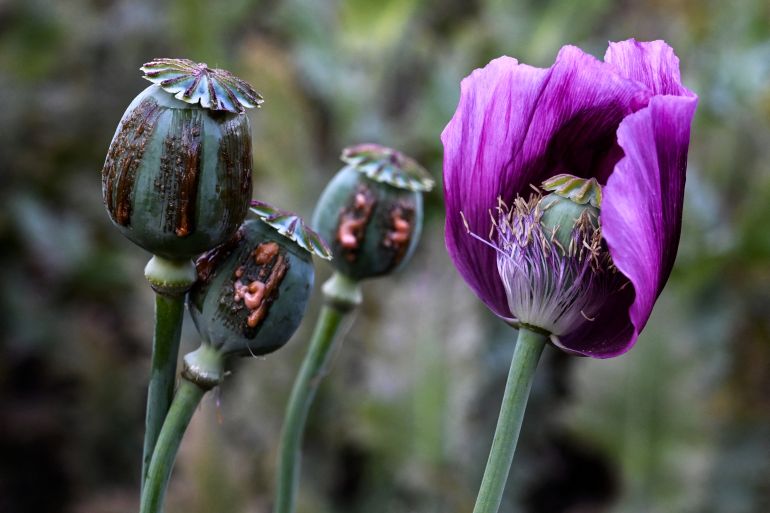
Opium poppy cultivation in Myanmar has reached a decade-high, with the crop area expanding across all major growing regions in the conflict-affected country, the United Nations reported on Wednesday.
According to the latest Myanmar Opium Survey by the UN Office on Drugs and Crime (UNODC), the area under poppy cultivation rose 17% compared with the previous year, increasing from 45,200 hectares (111,700 acres) to 53,100 hectares (131,200 acres), News.Az reports, citing Al Jazeera.
“This growth reaffirms Myanmar’s role as the world’s main known source of illicit opium, following the continued decline of cultivation in Afghanistan,” UNODC representative Delphine Schantz said. “This major expansion in cultivation shows the extent to which the opium economy has re-established itself over the past years – and points to potential further growth in the future.”
Despite the increase in cultivated land, opium production per hectare has not kept pace. The UNODC attributed the discrepancy to intensifying conflict and insecurity, which have made it increasingly difficult for farmers to maintain crops and achieve high yields.
Rising opium prices have been another key factor driving cultivation. Since 2019, the price of fresh opium in Myanmar has more than doubled, from $145 per kilogram to $329 today.
The UNODC report also warns of emerging signs that heroin from Myanmar is entering international markets that were previously supplied by Afghanistan. The European Union’s Drugs Agency (EUDA) noted that around 60 kilograms (132 pounds) of heroin believed to have been manufactured in Myanmar were seized from commercial airline passengers traveling from Thailand to the EU in 2024 and early 2025.
“Driven by the intensifying conflict, the need to survive, and the lure of rising prices, farmers in Myanmar are increasingly drawn to poppy cultivation,” Schantz said. “The increase we have seen in the past year will have significant implications for Myanmar’s future. What happens in the country will shape drug markets in the region and far beyond and requires urgent action.”
The surge in cultivation underscores how instability, economic hardship, and lucrative opium markets intersect in Myanmar, raising concerns about both domestic and global drug trafficking trends.


Similar news