Rasul Kospanov: Interstate ties with Russia are more façade than reality - INTERVIEW


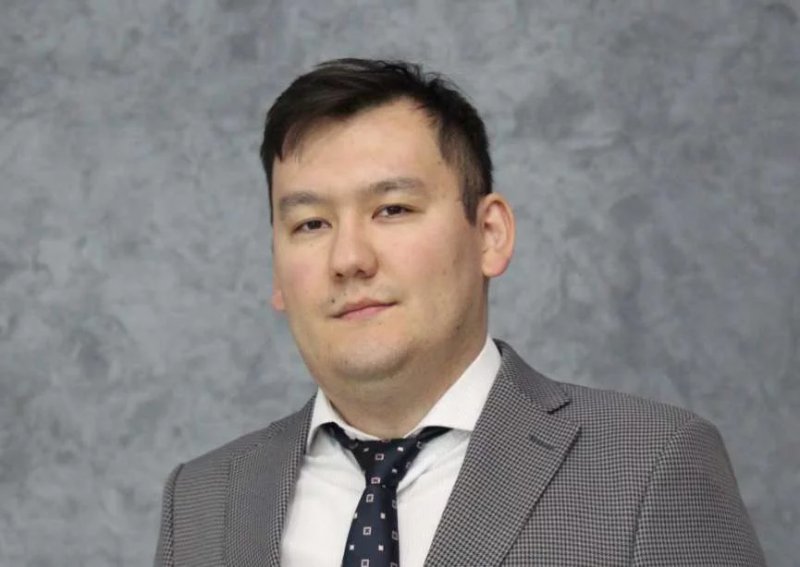
Kazakhstan could potentially host Iranian enriched uranium under a future nuclear agreement, while the recent Turkic States summit in Turkestan highlighted digitalisation, artificial intelligence, and stronger humanitarian ties as key priorities for regional cooperation and future development.
In an interview with News.Az, Rasul Kospanov, a senior researcher at the National Analytical Center in Astana, provides an in-depth assessment of Kazakhstan’s evolving foreign policy and its multi-vector diplomatic approach amid shifting global dynamics.
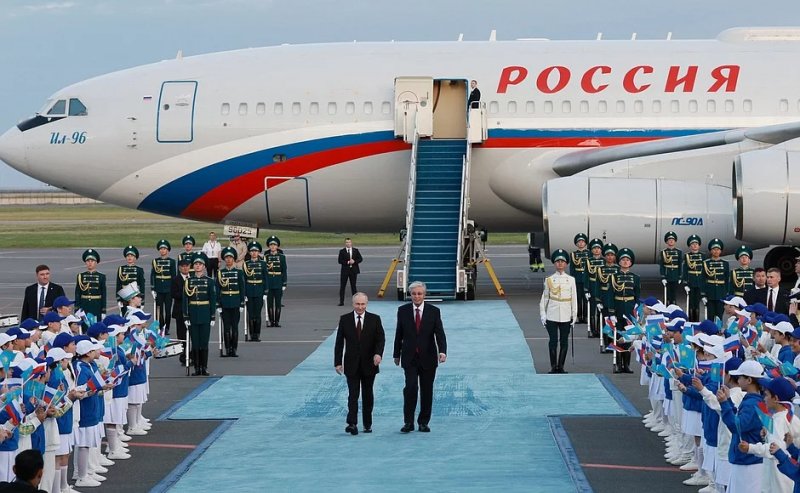
– Mr Kospanov, how do you assess the results of Russian President Vladimir Putin’s visit to Kazakhstan? Can it be said that bilateral relations are entering a new stage?
– I would not describe President Putin’s state visit to Kazakhstan as something new or extraordinary. It was another visit. As far as I understand, this was already his 34th visit to Kazakhstan. During his time in office, he has not visited any other country as many times. I think this says a great deal about the importance our country occupies in his foreign policy outlook.
Relations between Kazakhstan and Russia have certainly not been going through their best period since 2022. It should be understood that Russia’s aggressive policy in Ukraine has made it a toxic partner. Moreover, in the Russian public information space, alongside inappropriate statements directed at other countries, there have also been remarks about Kazakhstan, Central Asia, Azerbaijan and Armenia.
Good relations, at a minimum, begin with respect for the territorial integrity and sovereignty of other states. Therefore, such statements directed at Kazakhstan or other countries are inappropriate, especially when they come from official figures, whether members of parliament or other Russian state officials. As for official statements, interstate relations between Kazakhstan and Russia are currently characterised as strategic, comprehensive cooperation and alliance.
In my view, this is more of an external façade behind which a large number of contradictions are hidden. They certainly exist. I cannot say our relations are ideal. Nevertheless, our diplomats often try to resolve these issues behind closed doors rather than bringing them into the public domain.
 Source: TASS
I believe one of the important outcomes of this visit was the joint statement on the seven foundations of friendship and good neighbourliness between the peoples of Kazakhstan and Russia. President Kassym-Jomart Tokayev noted that he personally worked on this document. In my opinion, this is an attempt to establish a new framework for Kazakhstan–Russia relations. In recent years, these relations have been going through a difficult period. President Tokayev, as an experienced diplomat, is seeking to rebuild the logic of interaction by emphasising what unites the Kazakh and Russian peoples.
The document refers, in particular, to symbolic historical ties: the first cosmonaut of the Earth, Yuri Gagarin, was launched into space from Kazakh soil, from the Baikonur Cosmodrome. Many prominent Kazakh figures lived and studied in Russia. At the same time, well-known Russian figures, including Fyodor Dostoevsky, lived in Kazakhstan. All of this forms the foundation upon which the partnership between our countries rests. After so many years of living within one state, millions of human connections have been formed between our countries. Many Kazakhstanis have relatives, friends, classmates and colleagues living in Russia. Therefore, the task of the foreign policy establishment today is to ensure that this accumulated human capital works for the benefit of Kazakhstan.
It is also worth noting that Russia remains Kazakhstan’s most important trading partner. It ranks second only to China. In 2025, trade turnover between our countries exceeded $27 billion. This is a very significant figure. Presidents Tokayev and Putin have set the goal of increasing trade turnover to $30 billion. One would hope this figure will be achieved primarily through increased Kazakh exports to Russia.
Russian authorities often find far-fetched reasons to prevent Kazakh products from entering their market, thereby protecting Russian producers. However, if they have joined the Eurasian Economic Union, they must take Kazakhstan’s interests into account, because Kazakh products are in no way inferior to Russian ones. Since we allow Russian and Belarusian products to enter Kazakhstan freely, Moscow and Minsk should likewise refrain from creating obstacles for Kazakh businesses, as this does not benefit our relations.
Following the state visit, Eurasian Economic Union events were held, where various issues related to the development of artificial intelligence and other topics were discussed. I believe this initiative came from our side, as President Tokayev pays considerable attention to this sphere.
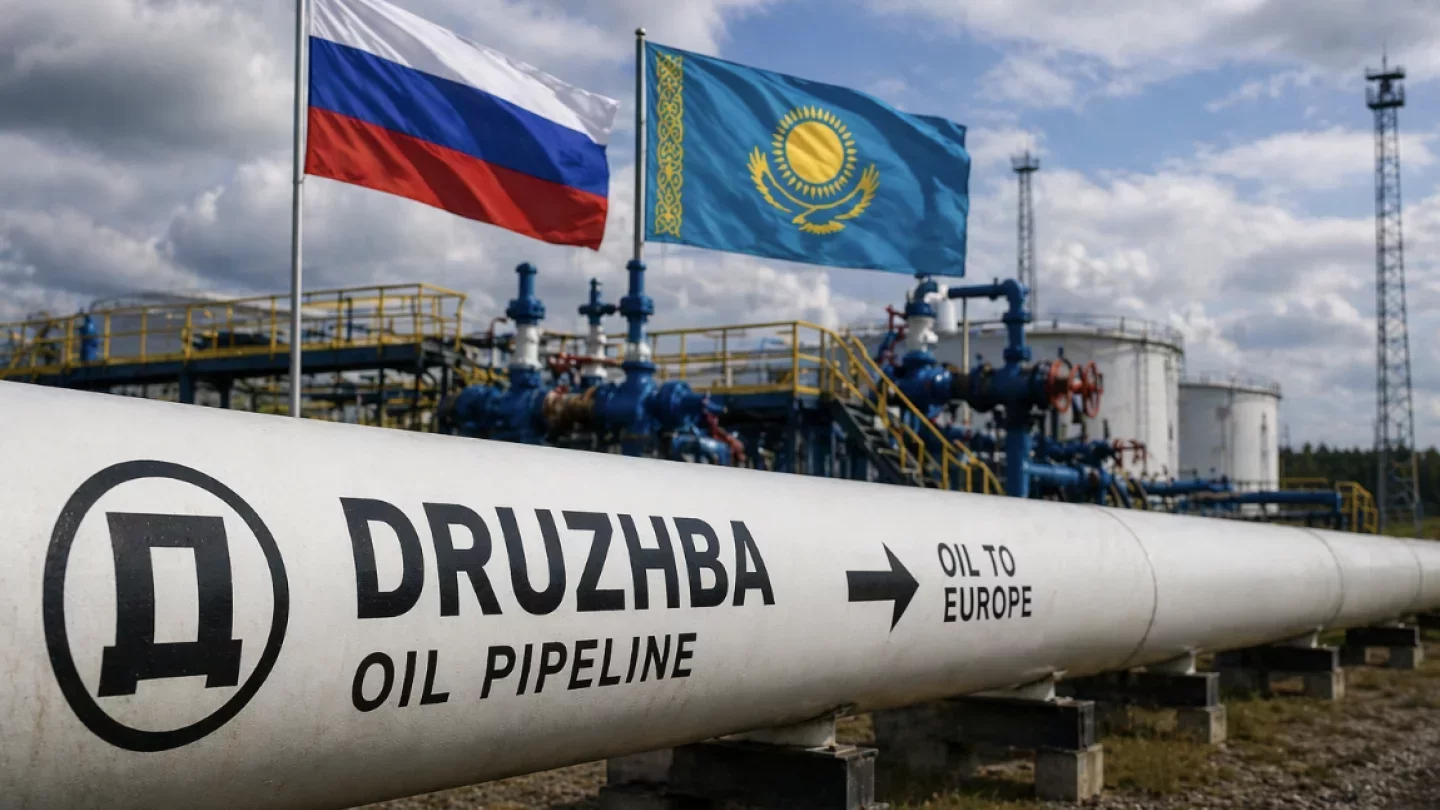
– Russia continues to block the transportation of Kazakh oil to Germany via the Druzhba pipeline. Transit has been suspended since 1 May, forcing Astana to redirect volumes through alternative routes. Against this backdrop of uncertainty, Kazakhstan is also considering other export routes, such as using the Baku–Supsa oil pipeline. What can you say about this?
– I have no doubt that the blockage of the Druzhba pipeline, through which Kazakh oil is supplied to Germany, was discussed during the talks between Tokayev and Putin. After all, such actions can hardly be described as friendly.
Kazakhstan is an important oil partner for Germany and for Europe as a whole. To put it into perspective, Berlin, the areas surrounding Berlin, and western Poland are supplied with gasoline produced at the refinery in Schwedt, which receives Kazakh oil. Replacing this oil with supplies from another source would be difficult.
There are different interpretations of the situation, but I find the explanation offered by Sergey Vakulenko of the Berlin-based Carnegie Centre particularly convincing. He believes Russia is attempting to redirect Kazakh oil to northern routes through the port of Ust-Luga in the Leningrad region.
Source: rda.kz
In this way, Kazakh oil could serve as a shield for Russian oil infrastructure. For example, after Astana sent diplomatic notes to Kyiv, Ukrainian attacks on the Caspian Pipeline Consortium significantly decreased. It is possible this is an attempt to use Kazakhstan for Russia’s own purposes. However, replacing deliveries through the Druzhba pipeline is certainly not easy.
To explain, the Atyrau–Samara pipeline runs from Kazakhstan’s Atyrau region and then connects to the Druzhba pipeline, allowing Kazakh oil to continue onward to Germany. If I am not mistaken, more than 12% of Kazakhstan’s oil exports pass through this route. Therefore, it is important to redirect these volumes through alternative routes.
In this context, routes through Azerbaijan are undoubtedly important for Kazakhstan, particularly the Baku–Supsa and Baku–Tbilisi–Ceyhan pipelines. At the same time, the development of infrastructure at the ports of Aktau, Kuryk and Baku is crucial for the rapid redirection of export flows.
We know that Azerbaijani pipelines are currently not operating at full capacity and that spare capacity is available. This is of clear interest to Kazakhstan. However, this is not something that can be done overnight. Further systematic work is required to develop oil infrastructure around the Caspian coast and increase transportation capacity.
– Putin’s visit coincided with the Eurasian Economic Union (EAEU) summit, which Armenian Prime Minister Nikol Pashinyan did not attend. What can be said about this summit in light of the statements that were made? How does Astana view the crisis between Moscow and Yerevan?
– To be honest, I was surprised by the joint statement made by the presidents of four countries regarding Armenia. The question of holding a referendum, whether on remaining in the EAEU or on a possible move towards the European Union, is purely an internal matter for Armenia. It is important to respect its sovereignty in this regard. Unfortunately, we see that Russia – represented by Vladimir Putin, the Foreign Ministry, and certain media figures, including propagandist Margarita Simonyan – is actively working against Prime Minister Nikol Pashinyan.
At the same time, I consider Pashinyan to be a rather extraordinary politician. It was his political will, together with that of Azerbaijani President Ilham Aliyev, that made it possible to bring the long-standing Karabakh conflict to an end.
The Karabakh issue had for many years been one of Russia’s instruments of influence in the South Caucasus. Today, the Kremlin has effectively lost that instrument. Therefore, we see attempts by Russia-linked forces, including figures such as Karapetyan, to interfere in Armenia’s domestic political processes, especially in the context of elections. In my opinion, this does not reflect well on Moscow.

Source: TASS
As for the statement by Tokayev, Lukashenko and Japarov, I have the impression that, as the saying goes, “the roots of it lead back to Russia”. At the same time, I do not believe Armenia’s possible rapprochement with the European Union poses risks to Kazakhstan. Moreover, this is a process that would take many years, and it is far from certain that Armenia will even obtain candidate status in the foreseeable future.
That is why the statement does not seem entirely clear to me. Yes, if Armenia were ever to make real progress towards EU membership, it would obviously be necessary to reconsider certain benefits and conditions of its participation in the Eurasian Economic Union. Kazakhstan, of course, would have to take its own interests into account.
However, I would not describe this as a threat. At the same time, I would agree that Armenia’s simultaneous membership in both the Eurasian Union and the European Union would be unusual. In terms of rules, requirements and obligations, the two frameworks are largely incompatible.
But again, this is the right of the Armenian people.
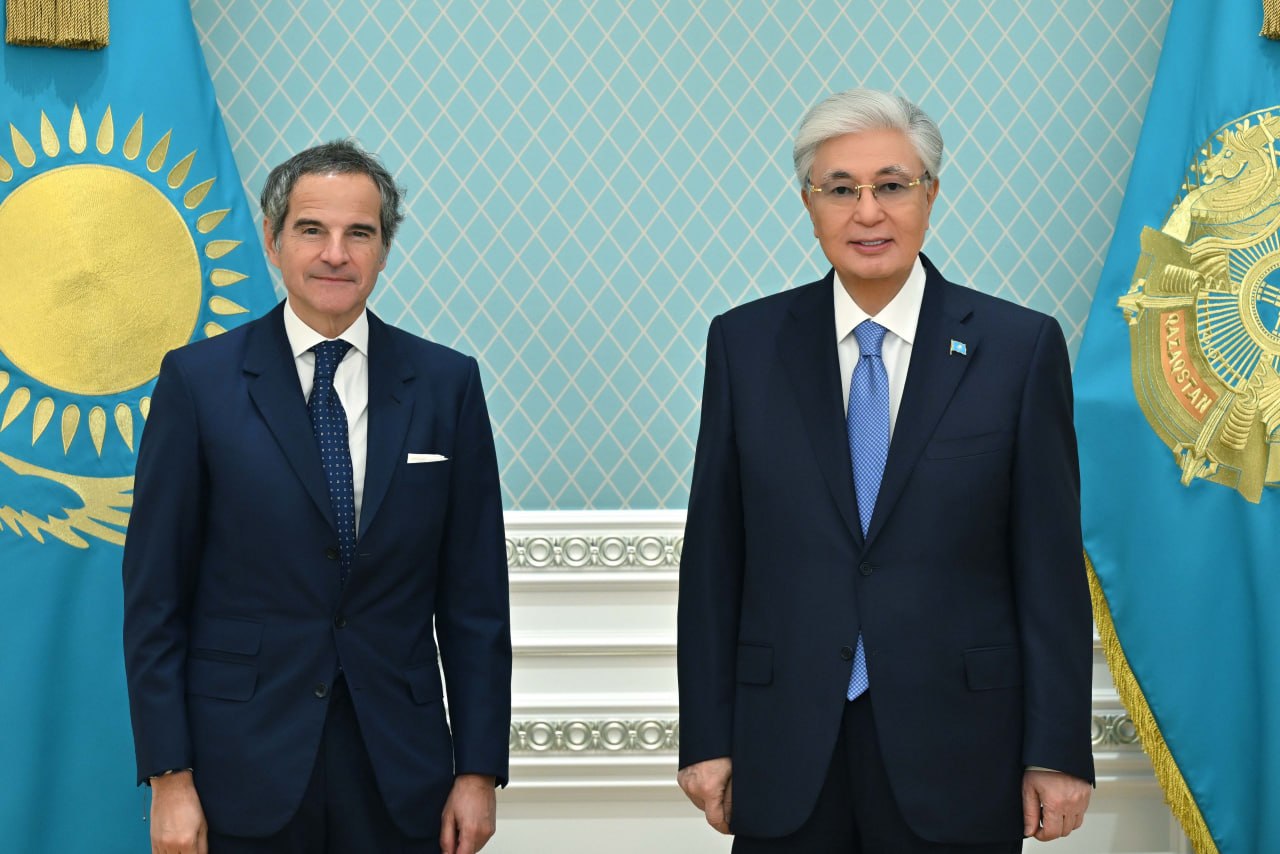
– In an interview with The Financial Times, IAEA Director General Rafael Grossi said that Kazakhstan is ready to accept Iranian enriched uranium if an agreement is reached between Tehran and Washington regarding Iran’s nuclear programme. How realistic is this proposal?
– Not long ago, IAEA Director General Rafael Grossi paid an official visit to Kazakhstan. He had a very busy programme: he met President Tokayev and also spoke to Kazakh students. It is also worth noting that Grossi is considered one of the possible candidates for the post of United Nations Secretary-General.
Source: Trend
At the same time, Tokayev’s name is also periodically mentioned in a similar context. Therefore, this visit attracted particular attention in Kazakhstan. As for the idea of storing Iranian uranium in Kazakhstan, I think such an option is, in principle, possible. The IAEA Low Enriched Uranium Bank is already operating in eastern Kazakhstan, and there are not many facilities in the world with a similar infrastructure and level of trust. Kazakhstan, as a country that has been a leader in the anti-nuclear movement, could certainly put forward such an initiative.
Moreover, at an early stage of escalation surrounding Iran, Kazakhstan’s Foreign Minister Yermek Kosherbayev proposed to his Iranian counterpart Abbas Araghchi that negotiations be held in Turkestan. Therefore, I would not be surprised if Iranian uranium were eventually stored in Kazakhstan. However, Tehran’s position will be crucial, as will the logistical arrangements. It is a complex process.
But I view this realistically, as Iran concluded a nuclear deal in 2015, so it is entirely possible that a new agreement could be reached now as well.
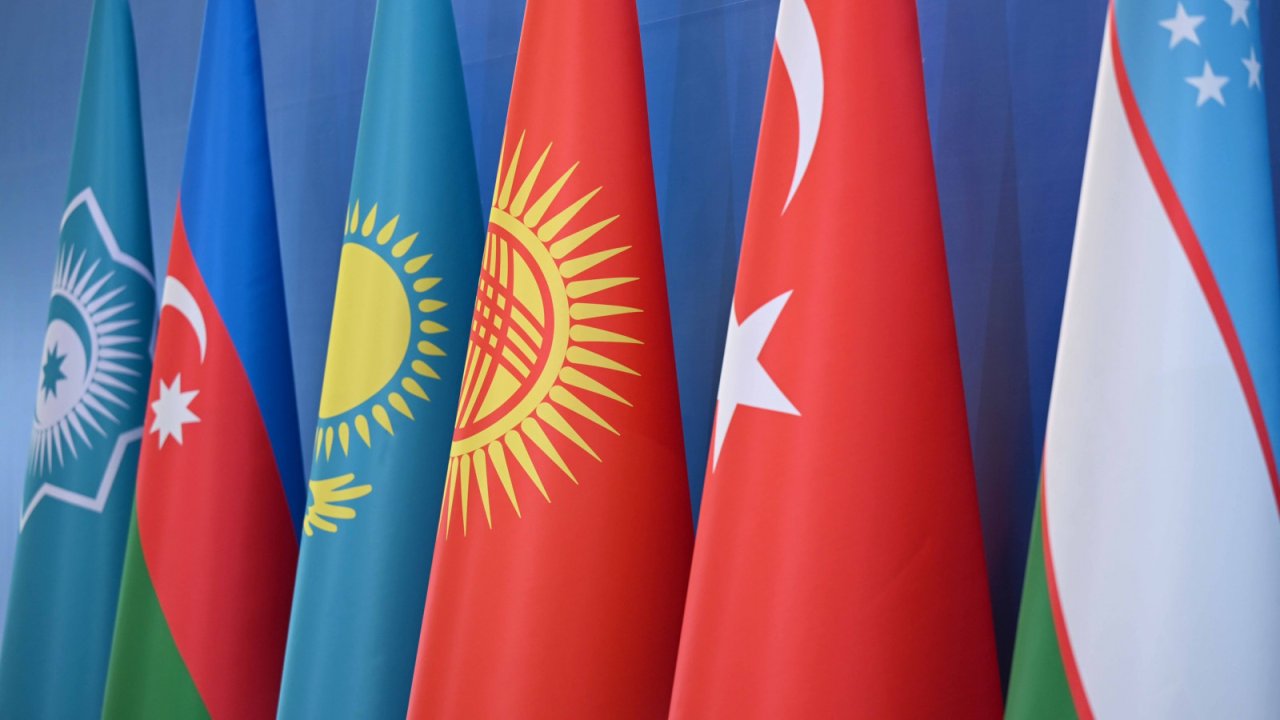
– How do you assess the results of the informal summit of the Council of Heads of State of the Organisation of Turkic States in Turkestan?
– I was fortunate enough to attend this event personally. The city of Turkestan is sacred for every Kazakh, as it played a major role in the formation of our statehood. Even its name is significant. It was therefore logical for Kazakhstan to choose this city to host the informal summit of the Turkic states.
Source: dhapress
The main topics on the summit agenda were digitalisation and artificial intelligence. In my opinion, this was a very appropriate focus. We often speak about our glorious past – the Turkic Khaganate, the Golden Horde and other great states – but if we want to be strong and influential in the future, we must focus on advanced technologies, including artificial intelligence.
Today, Kazakhstan is actively working in this field. The AI-driven video generation company Higgsfield has become Kazakhstan’s first unicorn. I am confident that more such companies will emerge. Kazakhstan also ranks among the world’s top 20 countries in e-government development. In the post-Soviet space, only Estonia is ahead.
Most documents and permits in Kazakhstan can be obtained with just a few taps on a smartphone, without visiting government institutions. This sector has achieved significant progress, and we have valuable experience to share with our brotherly states, whether Azerbaijan, Türkiye, Kyrgyzstan or Uzbekistan.
I believe the Turkestan Declaration adopted at the conclusion of the summit will contribute to the development of digitalisation across the Turkic world. President Tokayev’s proposal to organise Olympiads for schoolchildren from Turkic countries was also a good initiative. It will help strengthen humanitarian ties. It is important to promote such initiatives.
We often talk about building factories and major geopolitical concepts, but everything begins with simple human connections, which often become the foundation of strong and lasting relations.


Similar news