How will New Zealand's emergency fuel strategy work?


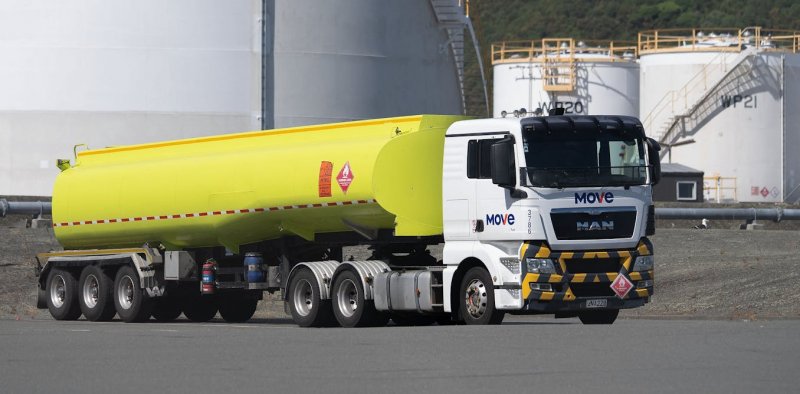
New Zealand has taken a significant step to strengthen its fuel resilience by securing emergency diesel imports, a move that has drawn attention from policymakers, energy experts and businesses alike.
The decision comes as governments around the world reassess their energy security strategies amid geopolitical tensions, supply chain disruptions and growing concerns about fuel availability during emergencies.
RECOMMENDED STORIES
For New Zealand, a country heavily dependent on imported refined fuels, maintaining reliable access to diesel is not only an economic necessity but also a national security priority. Diesel powers freight transport, agriculture, construction, emergency services, mining operations and critical infrastructure across the country.
The latest emergency diesel imports are designed to enhance resilience against potential disruptions and ensure that New Zealand remains prepared for unexpected crises.
What happened?
New Zealand authorities announced measures to strengthen national fuel security through emergency diesel imports and increased fuel reserves.
The move forms part of a broader strategy aimed at protecting the country against international supply disruptions, natural disasters and geopolitical instability that could affect fuel deliveries.
Officials have stressed that the imports are precautionary rather than a response to an immediate shortage. However, the decision reflects growing recognition that energy security has become an increasingly important issue in today's uncertain global environment.
The initiative seeks to provide an additional safety buffer should normal supply chains become disrupted.
Why is diesel so important to New Zealand?
Diesel occupies a central position in New Zealand's economy.
Unlike petrol, which is primarily used by private vehicles, diesel powers many of the sectors that keep the country's economy functioning.
These include freight transportation, agriculture and farming, construction industries, forestry operations, fishing fleets, emergency services, public transportation and electricity generation backup systems.
A prolonged diesel shortage would therefore affect nearly every part of the economy.
Food distribution, medical deliveries, public services and exports could all experience disruptions if fuel supplies were significantly reduced.
This makes diesel security a strategic concern rather than simply an economic issue.
Why is New Zealand vulnerable to fuel supply disruptions?
New Zealand's geographic location creates unique challenges.
As an island nation situated far from major fuel production centers, the country relies heavily on maritime supply chains.
Most refined petroleum products used in New Zealand are imported.
This means fuel availability depends on international shipping routes, refining capacity overseas, global energy markets, port operations, weather conditions and regional security developments.
Any disruption affecting these factors can potentially impact fuel supplies.
The closure of the Marsden Point oil refinery in 2022 further increased reliance on imported refined fuels, making supply chain resilience even more important.
What changed after the Marsden Point refinery closure?
The shutdown of Marsden Point marked one of the most significant developments in New Zealand's energy sector in decades.
For many years, the refinery processed crude oil domestically and supplied a large share of the country's fuel needs.
After its conversion into an import terminal, New Zealand became almost entirely dependent on imported refined fuels.
Supporters of the closure argued that importing refined products was more cost-effective.
Critics warned that removing domestic refining capacity could increase vulnerability during international crises.
The debate over fuel security intensified following the closure and continues to influence government policy today.
Why are governments around the world focusing on energy security?
Recent global events have highlighted the importance of resilient energy systems.
Several factors have contributed to this shift.
Geopolitical tensions, supply chain disruptions, natural disasters, cybersecurity threats and market volatility have all demonstrated how vulnerable energy networks can be.
The COVID-19 pandemic, conflicts affecting energy-producing regions and disruptions to global shipping have all encouraged governments to reassess their preparedness.
As a result, many countries are increasing strategic reserves and strengthening emergency response plans.
What are strategic fuel reserves?
Strategic fuel reserves are emergency stockpiles maintained to provide fuel during disruptions.
Governments establish these reserves to ensure essential services can continue operating during crises.
Such reserves may be used during natural disasters, military conflicts, shipping disruptions, infrastructure failures, supply shortages and other emergencies.
Strategic reserves function as a safety net, providing valuable time for authorities to respond to unexpected events.
Many developed countries maintain extensive fuel stockpiles for this purpose.
How large are New Zealand's fuel reserves?
New Zealand has historically maintained lower fuel stock levels than some other developed economies.
This has generated ongoing debate regarding the country's preparedness for major supply disruptions.
Government reviews in recent years have examined reserve levels and explored ways to improve resilience.
The latest emergency diesel imports represent part of broader efforts to strengthen stockholding requirements and improve preparedness.
Energy experts note that maintaining reserves involves balancing security needs against storage costs.
Larger stockpiles provide greater protection but require significant investment and infrastructure.
What risks could threaten fuel supplies?
Several scenarios could potentially affect fuel availability.
Shipping disruptions remain one of the biggest concerns because New Zealand relies heavily on maritime imports.
Natural disasters such as earthquakes, storms and volcanic activity can damage infrastructure and interrupt transportation networks.
International conflicts can affect shipping routes and energy markets.
Infrastructure failures involving fuel terminals, storage facilities or distribution networks could also create shortages.
Global market disruptions may further influence availability and pricing.
The goal of emergency reserves is to reduce the impact of these risks.
Could fuel shortages affect food supplies?
Yes.
Diesel plays a critical role throughout the food supply chain.
Farm machinery depends on diesel.
Food processing facilities rely on transportation.
Trucks deliver products to supermarkets.
Ports and logistics centers require fuel to operate efficiently.
A severe diesel shortage could therefore create challenges for food distribution.
This is one reason why governments often classify fuel security as part of broader national resilience planning.
How does fuel security affect emergency services?
Emergency services depend heavily on reliable fuel supplies.
Ambulances, fire engines, rescue vehicles and disaster response equipment all require fuel.
During emergencies, fuel demand can actually increase.
Natural disasters often create situations where emergency responders must operate continuously for extended periods.
Maintaining adequate reserves helps ensure that emergency services remain operational even if normal supply chains are disrupted.
What role does diesel play in agriculture?
Agriculture remains one of New Zealand's most important industries.
Farm operations rely extensively on diesel-powered equipment including tractors, harvesters, irrigation systems, transport vehicles and processing equipment.
Any significant disruption to diesel availability could affect agricultural productivity and exports.
Given the importance of farming to New Zealand's economy, fuel security has direct implications for economic stability.
How does this compare with other countries?
Many nations maintain strategic fuel reserves.
The scale and structure vary considerably.
The United States operates one of the world's largest strategic petroleum reserves.
Japan maintains substantial emergency stockpiles because of its dependence on imported energy.
European countries coordinate reserve policies through international frameworks.
Australia has also increased efforts to strengthen fuel resilience in recent years.
New Zealand's latest actions reflect a broader international trend toward enhanced energy preparedness.
What impact could this have on consumers?
The immediate impact on consumers is expected to be limited.
Emergency imports are primarily intended to improve resilience rather than influence retail prices.
However, stronger fuel security can provide indirect benefits.
These include reduced risk of shortages, greater supply stability, improved emergency preparedness and enhanced economic resilience.
Consumers generally notice fuel security measures only when disruptions occur.
Successful resilience planning often prevents crises from becoming visible to the public.
Could this affect fuel prices?
Fuel prices are influenced by many factors including global oil prices, refining costs, shipping expenses, currency exchange rates, taxes and market competition.
Emergency imports alone are unlikely to dramatically alter fuel prices.
However, investments in resilience and storage infrastructure can influence long-term costs.
Governments must balance affordability with preparedness when developing fuel security strategies.
What does this mean for businesses?
Businesses that rely heavily on diesel stand to benefit from improved fuel security.
Key sectors include logistics, transportation, construction, agriculture, manufacturing and mining.
Reliable fuel supplies help businesses plan operations more effectively and reduce exposure to disruptions.
For companies operating critical infrastructure, enhanced resilience provides additional confidence during periods of uncertainty.
How does climate policy fit into this discussion?
Fuel security and climate policy are often discussed together.
Some critics argue that investments in fossil fuel infrastructure could slow the transition toward cleaner energy.
Others contend that maintaining reliable fuel supplies remains essential while renewable technologies continue to expand.
Most governments pursue a dual approach.
They seek to improve energy resilience today while investing in cleaner energy systems for the future.
New Zealand's strategy reflects this broader balancing act.
Could renewable energy reduce fuel dependence?
Over time, renewable energy and electrification may reduce dependence on imported fuels.
Electric vehicles, battery storage and renewable electricity generation all have the potential to enhance energy independence.
However, many sectors remain difficult to electrify quickly.
Heavy freight, aviation, shipping and some industrial activities continue to depend heavily on liquid fuels.
As a result, diesel is expected to remain important for years to come.
What happens next?
Authorities are expected to continue reviewing fuel security arrangements and reserve requirements.
Future initiatives could include increased stockholding obligations, expanded storage capacity, enhanced emergency planning, stronger supply chain monitoring and greater regional cooperation.
The objective is to ensure that New Zealand remains prepared for a wide range of potential disruptions.
The latest emergency diesel imports represent one step in a broader effort to strengthen national resilience.
As global uncertainty continues to shape energy markets, governments worldwide are likely to place increasing emphasis on fuel security. For New Zealand, the challenge will be balancing affordability, sustainability and preparedness while ensuring that the country can withstand future shocks to the international energy system.
By Faig Mahmudov


Similar news