Renault must pay $1.3bn to re-enter Russian market


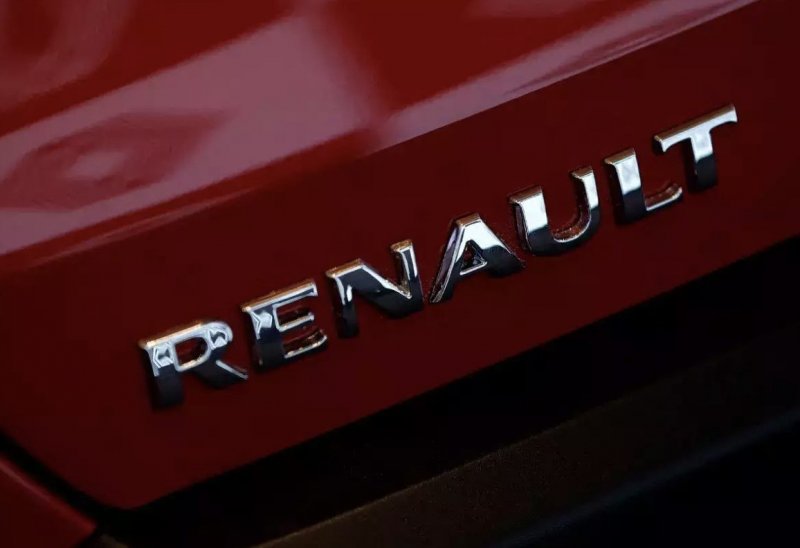
French carmaker Renault must repay at least RUB112.5bn ($1.3bn) of the money invested by its Russian partner AvtoVAZ in the joint venture during its absence, according to AvtoVAZ President Maxim Sokolov on February 25, as reported by TASS.
Renault exited from Russia in 2022 after the invasion of Ukraine and was paid a nominal RUB2 by the government for its stake in the Russian automotive giant that makes the iconic Lada cars. The deal reportedly included an option to buy its stake back for the same sum if sanctions were lifted. Renault has a long and storied history of working in Russia, but all of the Western automotive companies have been keen on the Russian market, potentially the largest in Europe.
However, now AvtoVaz says it also wants all the money it has invested into the car plant over the last three year’s is the French company wants to return to Russia. Annual investments in AvtoVAZ have increased significantly, with 2025 projections reaching a minimum of RUB45bn ($510mn), according to Sokolov.
Since the ceasefire talks to bring the conflict in Ukraine to an end between the US and Russia kicked off in Riyadh on February 18, relations have warmed rapidly to Europe’s alarm.
Secretary of State Marco Rubio, who is leading the US team, said there is an opportunity to “unlock a historic US-Russia economic alliance” if a ceasefire deal can be agreed. At the same time, the White House chose to exclude Europe and Ukraine from the first round of talks.
Only days after the Riyadh meeting, Russian President Vladimir Putin suggested that Western companies could be welcomed back to Russia, but also made it clear that any return would be on the Kremlin’s terms. Just what those terms have been made a little clearer now.
Renault held a majority stake in AvtoVaz and was trying to put the plant, founded in Soviet times, back on its feet. AvtoVaz allocated approximately RUB20-22bn ($226-249mn) annually for upgrading the Russian automaker's facilities. In contrast, post-Renault investments have risen, exceeding RUB27.5bn ($311mn) in 2023 and approaching RUB40bn ($453mn) in 2024.
Part of the cost increases is that the half a dozen European Original Equipment Manufacturers (OEMs) operating in Russia never set up local production of the parts they need to assemble cars, preferring to import them from factories in Western Europe. Russian producers have been scrambling to find new sources of electric window winders and on-board computers. When the sanctions began these imports stopped overnight bring the automotive sector to a screeching halt. The automotive sector was probably the hardest it of all Russia’s industrial and manufacturing sectors. However, since then, car production has made an almost complete recovery, as Chinese and Iranian carmakers have stepped into the empty shoes.
Sokolov said the increased investments surpass the average annual amounts during Renault's tenure. "They exceed the average annual investment volumes that were made when Renault was the shareholder in the early noughties... So, it is clear that these investments will have to be reimbursed somehow upon return."
The Renault Russia plant's shares were transferred to the city of Moscow, while Renault's stake in AvtoVAZ was assigned to the NAMI institute, operating under the Industry and Trade Ministry.


Similar news