Russia becomes Syria’s top oil supplier after Assad era


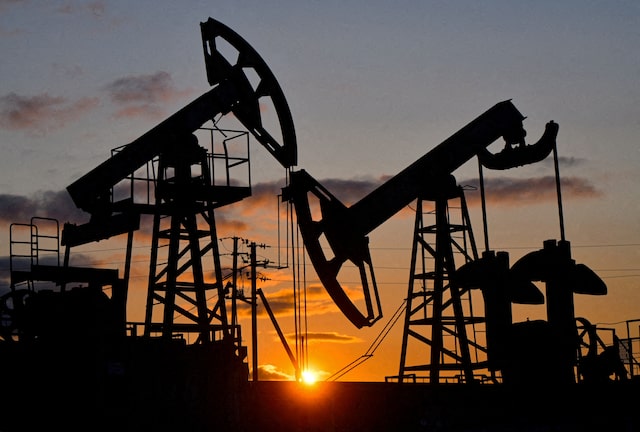
Russia has become Syria’s main supplier of oil despite Damascus’ stated political shift toward the West.
Oil shipments from Russia have increased sharply, rising by about 75% to roughly 60,000 barrels per day this year. The volumes remain small in global terms but are crucial for Syria, where domestic production is still far below national demand, News.Az reports, citing Reuters.
The shift comes after the fall of Bashar al-Assad in December 2024, which also ended Iran’s role as Syria’s primary energy supplier. Iran had supported Assad throughout the civil war, while Russia has maintained a continued presence in the country, including military bases.
RECOMMENDED STORIES
Syria’s economy remains heavily constrained, with limited access to global financial systems despite the easing of some Western sanctions last year. As a result, Russia has become the most practical and reliable supplier, according to analysts and officials cited in the report.
The country’s dependence highlights its fragile energy balance. Syrian oil demand is estimated at 120,000 to 150,000 barrels per day, while domestic production remains around 35,000 barrels—far below pre-war levels. Russian shipments now fill a significant portion of this gap, alongside smaller volumes from informal cross-border supplies.
Officials in Damascus say they are attempting to diversify energy imports, including efforts to secure deals with regional partners such as Turkey, although no major agreements have been reached so far.
Energy analysts say Syria’s limited purchasing power and financial isolation make it difficult to secure stable contracts with major global suppliers, including Gulf producers. This has left Russia-linked shipping networks as one of the few viable options.
The trade is largely handled through tankers linked to sanctioned or high-risk shipping networks. Some shipments involve ship-to-ship transfers at sea, a method often used in global oil trade to reduce costs or obscure cargo origins. Many of the vessels involved are already under Western sanctions.
Syria has not publicly highlighted Russia as the source of these shipments, likely due to domestic sensitivities over Moscow’s role during the previous government’s rule. Instead, state media typically announces arrivals without specifying origins.
Despite the political shift in Damascus, analysts say Russia retains strategic leverage in Syria through both energy supplies and its continued military presence. However, they also warn that reliance on sanctioned shipping networks could expose Syria to renewed Western pressure if geopolitical tensions escalate further.
The report underscores Syria’s limited options as it tries to rebuild its economy while balancing new diplomatic directions with long-standing structural dependencies.
By Aysel Mammadzada


Similar news