Iran war sends oil surging: Emergency action taken to save the yen


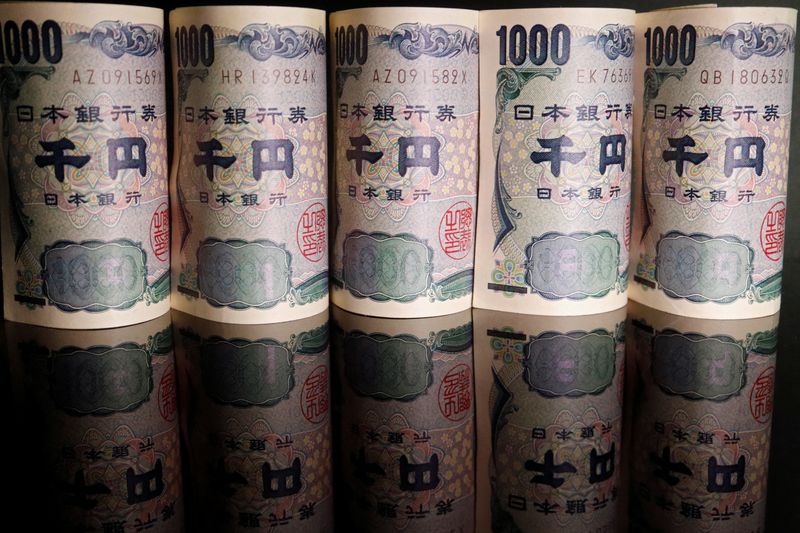
The correlation between the Japanese yen and Brent crude oil climbed to its highest level since late 2021 just before Japan stepped into the currency market to support the yen. The move highlights how energy prices are becoming a stronger driver of currency pressure alongside traditional factors like interest rate gaps.
The yen has long been weighed down by the wide difference between U.S. and Japanese interest rates, but recent spikes in oil prices—driven by tensions in the Middle East—have added fresh strain. As a major energy importer that relies on the Middle East for roughly 95% of its crude supply, Japan is highly vulnerable to swings in oil prices, which directly affect its trade balance and currency stability, News.Az reports, citing Bloomberg.
Japanese authorities intervened in the foreign exchange market to buy yen after renewed weakness intensified. Policymakers are increasingly concerned that speculative moves in energy markets are amplifying currency volatility. There is also discussion about whether Japan could extend its response into oil futures markets to ease pressure on the yen.
RECOMMENDED STORIES
The currency has also been under pressure from the Bank of Japan’s gradual shift away from ultra-loose monetary policy, along with uncertainty surrounding Japan’s fiscal direction. These combined factors have kept the yen on a weakening trend against the U.S. dollar.
Japan has intervened in currency markets several times in recent years, including in 2022 and again in 2024, when the yen fell to multi-decade lows. Such actions are typically aimed at slowing excessive volatility rather than reversing long-term trends.
Intervention is carried out when the Ministry of Finance instructs the Bank of Japan to act on its behalf. To strengthen the yen, authorities sell foreign reserves—mainly U.S. dollars—in exchange for yen. However, the effectiveness of such measures is limited given the enormous size of global foreign exchange markets, where trillions of dollars are traded daily.
Before intervention, officials often issue verbal warnings or conduct so-called “rate checks” with banks, which traders interpret as signals of possible action. Recent statements from Japanese policymakers have emphasized readiness to respond decisively to sharp currency moves.
Tokyo also seeks coordination with major partners such as G7 countries, particularly the United States, when interventions involve the dollar. While past actions in 2022 and 2024 received tacit approval from Washington, global agreements generally stress that exchange rates should remain market-driven, with intervention reserved for excessive volatility.
Despite the scale of Japan’s foreign exchange reserves—estimated at around $1.4 trillion—analysts note that intervention alone may not be enough to reverse yen weakness, especially when driven by structural factors such as long-term interest rate differentials and global energy price shocks.
By Aysel Mammadzada


Similar news