Signals of possible sabotage on the Tajik-Afghan border received


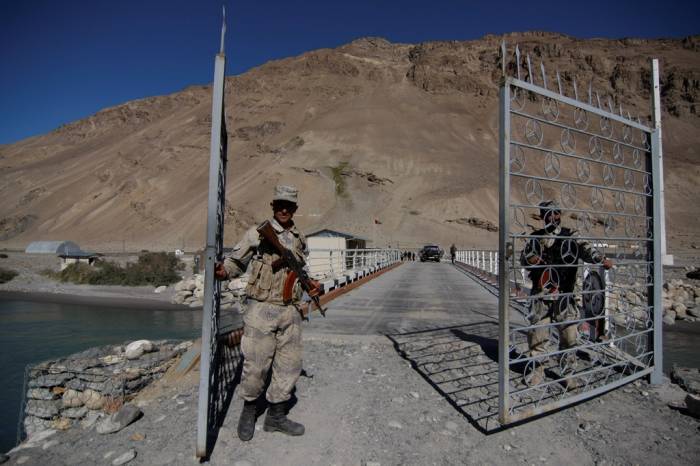
The situation on the Tajik-Afghan border is once again raising serious concerns both in the region and internationally. From September 24 to October 15, the area has been placed under the highest alert level, indicating an escalating threat from armed groups. Tajik authorities have significantly strengthened security along the border with the Afghan provinces of Badakhshan and Takhar. To prevent potential terrorist attacks, additional patrols have been deployed, continuous surveillance has been established using drones, and all military leaves have been canceled.
The primary reason for these extensive measures is the sudden surge in activity by the radical Islamist group "Jamaat Ansarullah," which maintains close ties with the Taliban and has long engaged in aggressive actions in the region. In mid-September, militants from this group arrived in the Nawabad area in northern Takhar province, News.Az reports.According to intelligence reports, the extremists have already conducted reconnaissance of Tajik border posts "Ai-Khanum" and "Kaflotun," and are expected to carry out similar actions near the "Khamadoni" crossing in the coming days. This has justifiably raised alarm in Tajikistan, as such activity may signal preparations for large-scale attacks.
It is worth noting that since the Taliban took power in Afghanistan in 2021, the number of such incidents along the Tajik-Afghan border has significantly decreased. However, the reemergence of "Jamaat Ansarullah" militants has once again heightened tensions. This group, which has long sought to destabilize Tajikistan, has been targeting the country as a key focus of its operations. The militants had been hiding in Afghanistan even before the fall of the previous Afghan government, and their renewed actions suggest the ongoing inefficacy of counterterrorism efforts within the neighboring state.
Despite public declarations by the Taliban leadership that their government does not tolerate terrorist groups on its territory, the reality seems to differ. The actual presence of radical groups in Afghanistan remains significant, causing great concern among neighboring countries. Moreover, the Taliban lack the necessary resources to completely eliminate these groups, particularly given the challenges of governing the country and its internal contradictions.
In addition to the threat posed by "Jamaat Ansarullah," other terrorist groups such as ISIS continue to represent a serious danger to the countries of Central Asia. Recently, there has been an increase in militant activity, which could provide an opportunity for the U.S. and its allies to offer assistance in combating terrorism in the region. Such a scenario could lead to a rise in foreign military presence in Central Asia, which may not always align with the interests of local governments.
For Tajikistan and other Central Asian nations, it is critically important to strengthen border security and enhance cooperation with international partners in countering terrorism and extremism. The Collective Security Treaty Organization (CSTO) and the Shanghai Cooperation Organization (SCO) can play a crucial role in providing support for regional security. Additionally, Tajik authorities must focus on reinforcing domestic mechanisms to combat radicalization, support youth, and conduct educational outreach among vulnerable populations. Addressing extremism requires a comprehensive approach that includes both military and social measures.
In summary, the situation on the Tajik-Afghan border reflects a broader issue of Central Asia's destabilization under the influence of terrorist threats. Without active and coordinated efforts to counter radicalism and bolster security, the region may face new challenges that could adversely affect its stability and development.


Similar news