Thailand lets refugees work amid aid cuts and labor shortages


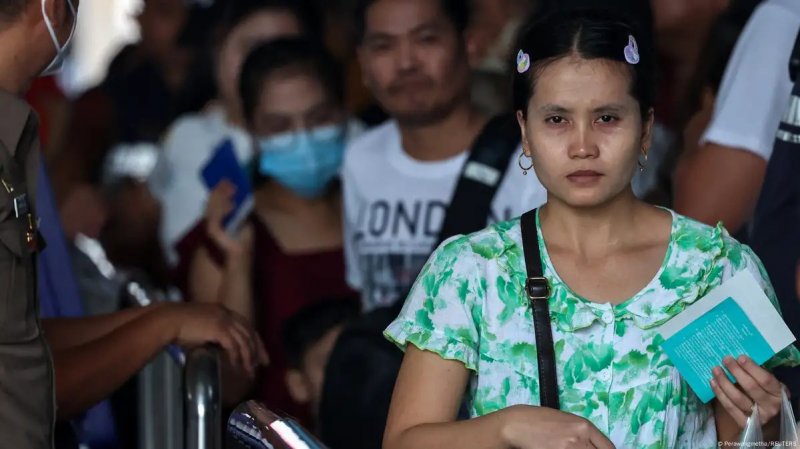
Thailand has started granting refugees in border camps the right to work, marking a major policy shift designed to reduce aid dependency and address the country's labor shortages, according to media reports on Wednesday.
The measure, which came into effect this month, affects more than 87,000 refugees, mostly ethnic minorities from Myanmar, who have lived in nine camps along the Thai-Myanmar border for decades, fully dependent on foreign aid and food assistance, News.Az reports citing foreign media.
“This is a turning point,” the outlet quoted Tammi Sharpe, UNHCR’s representative in Thailand, as saying.
“Refugees will now be able to support themselves and their families, stimulate local economies, and promote job creation.”
The policy change comes in response to dwindling aid, particularly after the US cut much of its overseas assistance this year.
Leon de Riedmatten, head of the Border Consortium (TBC), said the Thai government recognized that “there was no other government willing to replace the Americans supporting food and cooking fuel in the camps.”
In August, the Thai Labor Ministry passed a resolution granting “special permission” for camp residents to work, citing the need to avoid overburdening the government, address labor shortages, and promote human rights.
Thailand’s labor market has been strained by an aging population and the departure of some 520,000 Cambodian workers following a military conflict, which eliminated about 12% of its workforce.
Refugees eligible for employment, estimated at 42,600, must apply for a work permit and undergo health screenings.
Job fairs have already begun in camps, and many roles are expected in agriculture and manufacturing.
While some refugees expressed eagerness, others remained cautious.
“They worry about many things: if they have [a] problem, how to solve the problem,” said Bway Say of the Karen Refugee Committee, according to The Guardian.
Roisai Wongsuban of the Migrant Working Group noted the public’s view of refugees had shifted positively.
“Waves of pressure” positioned Thailand as a leader in managing displaced populations, she said.
The UNHCR and World Bank are now collaborating to assess the economic impact of this policy, hoping to eventually extend work rights to over 5,000 urban refugees in Thai cities.
“We’re really hoping that we move from a situation of aid dependency for decades into self-reliance,” said Sharpe.


Similar news