UK Chancellor Rachel Reeves faces crucial test as tax-heavy budget nears


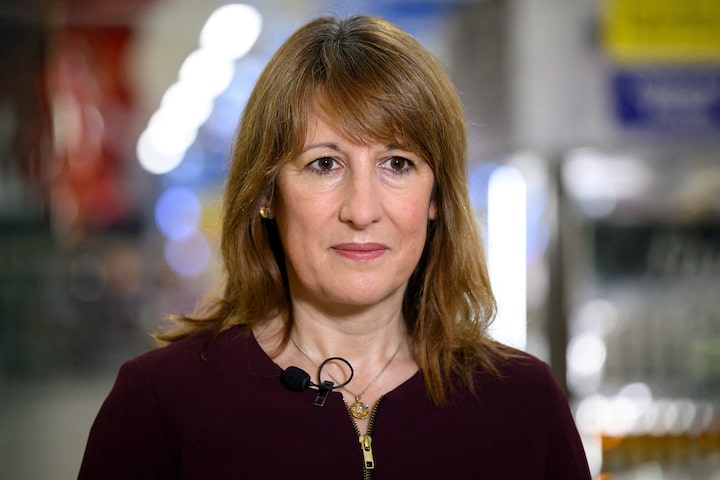
Britain’s finance minister Rachel Reeves is preparing to deliver her second annual budget on Wednesday — a moment that could define both her credibility and the future of Prime Minister Keir Starmer’s government.
Reeves, who last year insisted she would “never” need another budget filled with tax rises, is now expected to introduce a fresh wave of tax increases, drawing scrutiny from investors and testing the confidence of the Labour Party, News.Az reports, citing Reuters.
The former Bank of England economist, and the first female chancellor of the exchequer, has spent the past 18 months positioning herself as a stabilising force after years of political and economic turbulence. But mixed messages from her and Starmer on tax policy have unsettled both voters and bond markets, putting her reputation on the line. A recent YouGov poll shows just 9% of Britons think she is doing a good job.
Reeves has framed her economic agenda around “securonomics,” a strategy focused on preparing the UK for constant global shocks. But she recently blamed Donald Trump’s trade tariffs and ongoing global conflicts for eroding the small fiscal buffer she built.
Her challenge is twofold:
Convince financial markets she has a credible plan to stabilise the public finances.
Reassure Labour lawmakers that she can still deliver the investment, public services, and growth the party promised voters.
Concerns intensified earlier this month after the government appeared to prepare the ground for an income tax increase, only for sources to signal an abrupt reversal. The shift triggered a fall in government bonds, with investors questioning Labour’s consistency.
“She built up credibility… and then she lost it,” said David Zahn, head of European fixed income at Franklin Templeton.
While the bond market remains nervous, many investors fear that replacing Reeves could bring an even less fiscally cautious minister, potentially destabilising Starmer’s government.
Reeves’ tough public persona — anchored in her “iron-clad fiscal rules” — slipped earlier this year when she broke down in parliament, prompting speculation about her future. Starmer affirmed his support only after markets reacted negatively, highlighting communication challenges inside the government.
Long-term gilt yields have risen more sharply in the UK than in most other G7 economies since Labour’s election victory, second only to Japan. While longer-dated bonds have outperformed many peers this year, investors remain wary.
During her recent trip to the United States, Reeves managed to reassure financial and business leaders, including at a private meeting of the Institute of International Finance, according to a participant. But back home, her standing among British businesses has slipped, with the head of the Confederation of British Industry accusing her of ignoring corporate concerns.
Despite the mounting political and economic pressures, Starmer has tied his fate closely to Reeves.
“She and I work together, we think together,” he said. “We’re in lock-step.”
Reeves’ budget this Wednesday will now serve as the key test of whether she can restore confidence — or deepen the uncertainty surrounding the UK’s economic direction.


Similar news