WHO estimates COVID-19 boosters needed yearly for most vulnerable


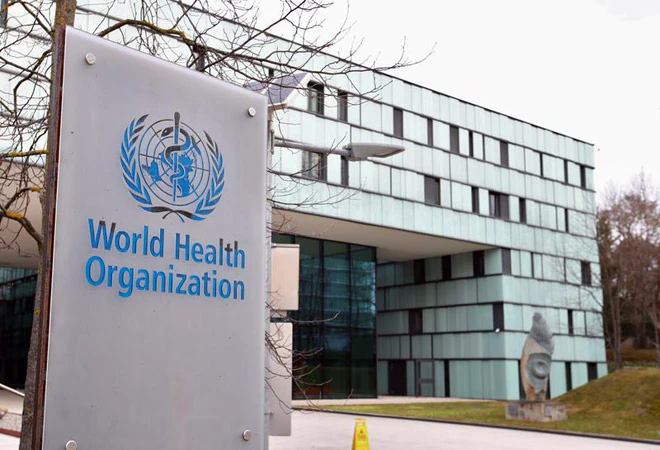
The World Health Organization (WHO) forecasts that people most vulnerable to COVID-19, such as the elderly, will need to get an annual vaccine booster to be protected against variants, an internal document seen by Reuters shows.
The estimate is included in a report, which is to be discussed on Thursday at a board meeting of Gavi, a vaccine alliance that co-leads the WHO’s COVID-19 vaccine programme COVAX. The forecast is subject to changes and is also paired with two other less likely scenarios.
Vaccine makers Moderna Inc and Pfizer Inc, with its German partner BioNTech, have been vocal in their view that the world will soon need booster shots to maintain high levels of immunity, but the evidence for this is still unclear.
The document shows that the WHO considers annual boosters for high-risk individuals as its “indicative” baseline scenario, and boosters every two years for the general population.
It does not say how these conclusions were reached, but shows that under the base scenario new variants would continue to emerge and vaccines would be regularly updated to meet these threats.
The U.N. agency declined to comment on the content of the internal document.
A spokesperson for Gavi said COVAX was planning to take a wide range of scenarios into consideration.
The document, which is dated June 8 and is still a “work in progress,” also predicts under the base case that 12 billion COVID-19 vaccine doses will be produced globally next year.
That would be slightly higher than the forecast of 11 billion doses for this year cited by the International Federation of Pharmaceutical Manufacturers & Associations (IFPMA), signalling that the U.N. agency does not expect a significant ramp-up of vaccine production in 2022.
The document predicts manufacturing problems, regulatory approval issues and “transition away from some technology platforms” as potential drags on supplies next year.
It does not signal which technologies could be phased out, but the European Union, which has reserved the world’s largest volume of COVID-19 vaccines, has bet heavily on shots using messenger RNA (mRNA) technology, such as those by Pfizer and Moderna, and has forgone some purchases of viral vector vaccines from AstraZeneca Plc and Johnson & Johnson.
News.Az


Similar news