Why are millions obsessed with tracking real time Google Trends and viral searches in 2026?


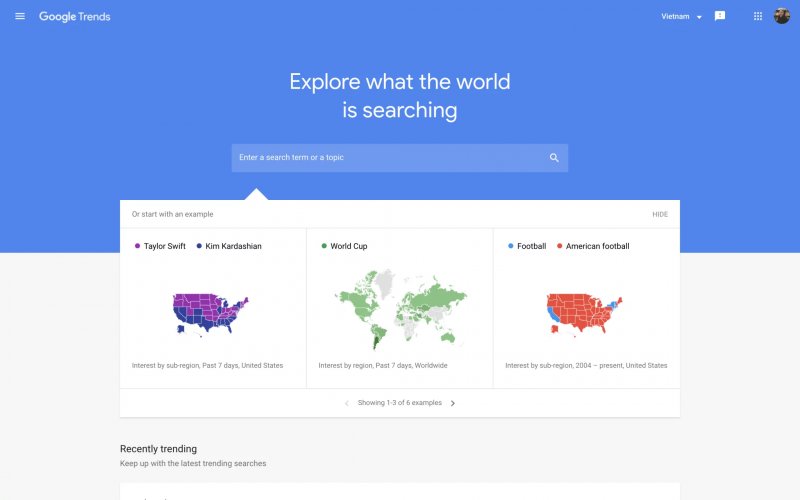
Real time search tracking, viral topic monitoring and Google Trends analysis became one of the most searched internet behaviors of 2026 as millions of people worldwide increasingly obsess over discovering what the world is talking about at any given moment.
From breaking news and celebrity scandals to football matches, AI developments and viral TikTok moments, users are constantly refreshing trending pages and search dashboards to monitor online attention in real time. During May 2026, searches related to “Google Trends,” “viral now,” “most searched topics,” “what’s trending today” and “top searches worldwide” surged globally as internet culture became more driven by immediate digital momentum than ever before.
RECOMMENDED STORIES
The rise of trend tracking reflects a broader transformation in how people consume information. Modern audiences no longer wait for traditional news cycles. Instead, they follow rapidly changing waves of online attention shaped by algorithms, social media platforms and global digital conversation.
Real time virality became one of the most powerful forces influencing media, politics, entertainment, business and public opinion. Understanding trends is now viewed not only as entertainment but also as a strategic advantage for journalists, influencers, marketers, investors and ordinary users trying to stay culturally relevant.
Below is a detailed FAQ explainer examining why real time trend tracking became one of the defining internet obsessions of 2026 and how viral culture is reshaping global information behavior.
Why are people obsessed with trending topics in 2026?
People are obsessed with trends because modern internet culture moves extremely fast.
Users constantly search for:
Breaking news
Viral videos
Celebrity drama
Football updates
AI developments
Memes
Political events
Many people feel pressure to stay informed and culturally connected in real time.
Social media also rewards users who react quickly to trending conversations, creating nonstop demand for instant information.
What is Google Trends?
Google Trends is a tool that shows how frequently specific topics are being searched online over time.
It allows users to track:
Breaking news interest
Regional search spikes
Viral search patterns
Keyword popularity
Real time internet behavior
Journalists, marketers, researchers and influencers use Google Trends to understand what topics are attracting public attention globally.
The platform became increasingly important in the era of viral digital culture.
Why did trend tracking become so important?
Trend tracking became important because attention itself became one of the most valuable resources on the internet.
Companies, media outlets and creators all compete for visibility and engagement.
Knowing what people are searching for allows organizations to:
Create relevant content
Predict audience behavior
Respond quickly to news
Increase traffic
Shape public conversation
Real time information became economically and culturally powerful.
How do viral trends spread so quickly now?
Modern trends spread rapidly because of algorithms and social media amplification.
Platforms like TikTok, Instagram, YouTube and X prioritize content generating strong engagement.
When users rapidly share, comment and react to content, algorithms push it to larger audiences within minutes.
This creates explosive feedback loops where trends can spread globally almost instantly.
Why are people searching “what’s trending now” constantly?
Many users fear missing important cultural moments or viral conversations.
This phenomenon is often connected to:
FOMO, or fear of missing out
Social relevance
Curiosity
Entertainment addiction
Digital identity
People increasingly experience the internet as a live global conversation that changes hour by hour.
Constant trend monitoring became part of daily digital behavior.
How does trend culture affect journalism?
Journalism changed dramatically because news organizations increasingly follow digital attention patterns.
Media companies monitor trending searches to decide:
Which stories to cover
What headlines to use
How to optimize content
Which topics audiences care about
Trend driven journalism accelerated the speed of modern news cycles.
Critics argue this sometimes prioritizes virality over depth or accuracy.
Supporters say it helps media remain relevant to public interest.
Why are celebrities so central to trending culture?
Celebrities dominate trend culture because audiences are emotionally invested in public personalities.
Search spikes often occur around:
Relationship rumors
Fashion moments
Interviews
Scandals
Award shows
Social media posts
Celebrity culture blends entertainment, aspiration and emotional storytelling in ways highly compatible with algorithm driven platforms.
Famous individuals effectively became nonstop digital content ecosystems.
How do memes influence trending searches?
Memes are one of the internet’s fastest spreading communication formats.
A viral meme can generate millions of searches within hours.
Memes succeed because they are:
Emotionally immediate
Humorous
Visually simple
Easy to share
Highly adaptable
Internet culture increasingly communicates through meme language, making memes central to digital trend cycles.
Why are football and sports always trending?
Sports generate massive real time engagement because they create emotional collective experiences.
Football especially dominates search trends because fans constantly seek:
Live scores
Transfer rumors
Player injuries
Referee controversies
Highlights
Sports trends spread rapidly because millions of fans react simultaneously during live events.
The emotional intensity of sports drives huge search spikes worldwide.
How does AI affect viral trends?
Artificial intelligence increasingly shapes internet trends through:
Recommendation algorithms
Content generation
Trend prediction
AI powered search systems
AI generated media
AI tools can identify rising topics extremely quickly and amplify content strategically.
At the same time, AI generated misinformation and fake viral content became growing concerns.
The relationship between AI and internet virality continues expanding rapidly.
Why are trend cycles becoming shorter?
Trend cycles are shortening because internet users consume enormous amounts of content daily.
Algorithms constantly prioritize fresh engagement, pushing audiences toward newer topics.
A viral story today may disappear within twenty four hours.
This accelerated information environment increases pressure on creators and media organizations to react quickly.
Digital culture became increasingly fast paced and emotionally intense.
How important are influencers in shaping trends?
Influencers became major drivers of online attention because they can rapidly direct audiences toward specific topics, products or conversations.
Popular influencers often determine:
Fashion trends
Music popularity
Political discussions
Lifestyle products
Internet slang
Their ability to trigger search spikes makes them highly valuable to brands and media companies.
Why do trend tracking websites attract so much traffic?
Trend tracking platforms provide real time visibility into collective internet behavior.
Users enjoy seeing:
What people are discussing
Which topics are exploding
How trends change globally
This creates a sense of participating in global digital culture.
Trend dashboards became entertainment products themselves.
How does trend culture affect politics?
Politics became increasingly influenced by digital virality.
Political narratives now spread through:
Trending hashtags
Viral clips
Memes
Reaction videos
Search spikes
Politicians and campaigns closely monitor online trends because digital attention strongly affects public perception.
Critics worry trend driven politics may oversimplify complex issues.
Why are younger generations especially engaged with trends?
Younger users grew up inside highly networked digital ecosystems where cultural relevance changes rapidly.
For many younger audiences, trend awareness became part of:
Social interaction
Identity formation
Entertainment consumption
Online communication
Keeping up with trends often feels socially necessary in digitally connected communities.
How do algorithms shape public attention?
Algorithms strongly influence which topics people see online.
Platforms prioritize content likely to generate:
Clicks
Comments
Shares
Watch time
Emotional reactions
This means algorithms effectively shape public attention and cultural focus.
Critics argue algorithmic systems may amplify outrage, misinformation or emotional polarization.
Why are businesses obsessed with trend monitoring?
Companies use trend tracking to understand consumer behavior and react quickly to changing interests.
Businesses monitor trends for:
Marketing campaigns
Product launches
Brand positioning
Audience targeting
Competitive analysis
Real time attention became economically valuable because internet culture moves so quickly.
How does viral culture affect mental health?
Constant exposure to viral information can create emotional exhaustion and anxiety.
Many users feel overwhelmed by:
Endless updates
Rapid news cycles
Social comparison
Attention pressure
At the same time, viral culture also provides entertainment, humor and shared experiences.
The psychological effects of nonstop trend exposure remain heavily debated.
Why are breaking news events spreading faster than ever?
Breaking news spreads instantly because smartphones and social media eliminated traditional delays in information distribution.
Anyone can now upload videos, reactions or commentary within seconds of an event occurring.
This speed transformed public awareness but also increased risks involving misinformation and unverified content.
How does trend culture influence entertainment?
Entertainment industries increasingly design content specifically for virality.
Movies, music, television and influencers all aim to generate:
Clips
Memes
Reaction moments
Social media engagement
Virality became one of the most important success metrics in modern entertainment culture.
Why are “most searched” lists so popular?
People enjoy “most searched” rankings because they reveal collective curiosity and cultural behavior.
These lists provide insight into:
Public fears
Entertainment interests
Political concerns
Lifestyle trends
Celebrity influence
Trend rankings became a form of digital sociology showing what humanity collectively pays attention to.
How does fear of missing out drive internet behavior?
FOMO strongly shapes digital consumption patterns.
Users constantly refresh feeds and trend pages because they fear becoming disconnected from important conversations or viral moments.
Social media intensified this psychological pressure by rewarding immediacy and participation.
Can trend tracking predict the future?
Trend analysis sometimes helps predict:
Consumer interests
Political momentum
Cultural shifts
Market behavior
However, internet attention is also highly unpredictable and emotionally reactive.
Not every viral trend reflects long term significance.
Still, businesses and researchers increasingly rely on trend data for strategic decisions.
Why do internet users love watching collective behavior?
Humans are naturally curious about what others are thinking and discussing.
Trend tracking provides real time visibility into collective attention and emotional reaction.
This creates a sense of participating in global consciousness.
The internet transformed curiosity itself into a live data experience.
How do viral trends shape language and culture?
Internet trends increasingly influence:
Slang
Humor
Fashion
Music
Political narratives
Consumer behavior
Digital virality now affects mainstream culture faster than traditional media systems.
Online trends can reshape global conversations within days.
Why are trend searches themselves becoming trends?
The desire to monitor trends became so widespread that searching for trends became a trend itself.
People increasingly want meta awareness about:
What others search
Which topics dominate attention
How internet culture evolves
Trend monitoring became part entertainment, part information gathering and part social participation.
Could trend culture become even more dominant?
Very likely.
As AI, algorithms and real time digital systems continue evolving, internet attention may become even faster and more data driven.
Future developments may involve:
AI predicted virality
Personalized trend feeds
Real time emotional analysis
Automated cultural forecasting
Attention economics will likely remain central to digital society.
Final thoughts
The global obsession with Google Trends, viral search tracking and real time internet behavior reflects a profound transformation in how humans consume information and experience culture. In 2026, attention moves at extraordinary speed, shaped by algorithms, smartphones and nonstop digital interaction.
People no longer simply read news or watch entertainment. They actively monitor collective curiosity itself in real time. Viral culture became one of the defining forces influencing journalism, politics, entertainment, marketing and social identity.
From celebrity scandals and football drama to AI breakthroughs and breaking global events, millions of users now live inside constantly evolving digital conversations shaped by trends and algorithms.
The rise of trend tracking demonstrates that in the modern internet era, understanding what captures human attention may be almost as important as the events themselves.
By Faig Mahmudov


Similar news