Everything you need to know about the Middle East escalation


The Middle East has once again become the center of global attention, dominating headlines across major international news platforms and generating some of the highest readership figures seen this year.
From escalating tensions between Iran and the United States to growing concerns over regional security, energy markets, military alliances, and the risk of wider conflict, developments in the region are being closely followed by governments, businesses, and ordinary citizens around the world.
RECOMMENDED STORIES
The crisis has evolved beyond a regional confrontation and is increasingly being viewed as an issue with global consequences. The interconnected nature of modern economies means that instability in one of the world's most strategically important regions can quickly affect oil prices, inflation, shipping routes, financial markets, and international diplomacy.
As millions of readers search for answers about what is happening and what could happen next, this FAQ explainer examines the causes, implications, and potential future scenarios surrounding the Middle East crisis.
Why is the Middle East currently the most followed news topic globally?
The Middle East crisis combines several elements that naturally attract enormous international attention. It involves major military powers, nuclear concerns, energy security, global trade routes, and the possibility of a wider regional war.
Unlike many regional conflicts that remain geographically contained, developments in the Middle East have the potential to influence economies and political decisions worldwide. This makes the situation relevant not only to countries directly involved but also to governments, investors, corporations, and consumers across the globe.
The crisis has also intensified at a time when the international system is already under pressure from geopolitical rivalries, economic uncertainty, technological competition, and climate-related challenges. As a result, every new development is closely monitored by international media organizations and global audiences.
What triggered the latest escalation?
The current escalation stems from a combination of long-standing tensions and more recent military and political developments.
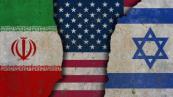
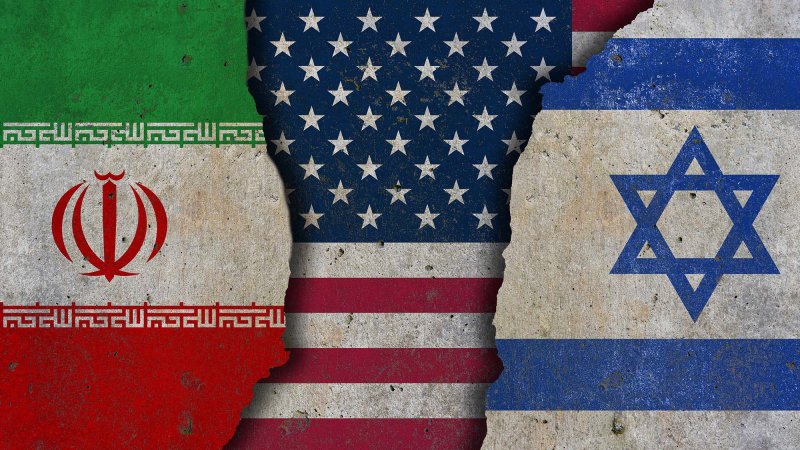
Relations between Iran and the United States have remained strained for decades. Disputes over Iran’s nuclear activities, sanctions, regional influence, and military capabilities have repeatedly created periods of confrontation.
Recent incidents involving military operations, missile attacks, drone strikes, and retaliatory actions have significantly increased tensions. Diplomatic efforts that once appeared capable of reducing hostilities have struggled to keep pace with developments on the ground.
At the same time, Israel’s security concerns, the activities of regional armed groups, and broader competition for influence across the Middle East have contributed to an increasingly volatile environment.
Why does Iran play such a central role in the crisis?
Iran occupies a unique position within the Middle East due to its geographic location, military capabilities, population size, and political influence.
The country borders the Persian Gulf and sits near some of the world’s most important energy transportation routes. Iran also maintains relationships with various political and military actors across the region, giving it significant influence beyond its own borders.
For many years, Western governments have expressed concerns regarding Iran’s nuclear program and ballistic missile development. Iranian officials, meanwhile, argue that their policies are designed to protect national sovereignty and regional security.
Because of these competing narratives, Iran frequently becomes the focal point of international diplomatic efforts as well as geopolitical tensions.
Why are the United States and Iran often in conflict?
The roots of the conflict stretch back several decades and involve a complex mixture of historical, political, ideological, and security-related factors.
The relationship deteriorated dramatically following the Iranian Revolution of 1979. Since then, disputes have emerged over regional influence, sanctions, military activities, and nuclear development.
Washington has frequently accused Tehran of destabilizing regional security, while Iranian leaders argue that American policies undermine their national interests and sovereignty.
These opposing positions have produced a cycle of pressure, retaliation, sanctions, negotiations, and periodic military confrontations that continues to shape regional dynamics today.
What role does Israel play in the current situation?
Israel views Iran as one of its most significant security challenges. Israeli officials have repeatedly stated that preventing Iran from obtaining nuclear weapons remains a national security priority.
Concerns regarding missile programs, regional military alliances, and support networks connected to Iran have influenced Israeli security strategy for years.
As tensions rise, developments involving Israel often have a direct impact on regional stability. Actions taken by either side are closely watched because they have the potential to trigger broader escalation involving additional countries and military actors.
Why is the nuclear issue so important?
The nuclear dimension is one of the most sensitive aspects of the crisis.
Many governments fear that further deterioration in diplomatic relations could complicate efforts to prevent nuclear proliferation in the region. Concerns about nuclear capabilities extend beyond immediate security considerations because they influence regional power balances and long-term strategic calculations.
If diplomatic solutions fail, the risk of military action increases. Conversely, successful negotiations could reduce tensions and create opportunities for broader regional stability.
The nuclear issue therefore serves as both a source of conflict and a potential pathway toward de-escalation.
How does the crisis affect global oil prices?
The Middle East remains one of the world's most important energy-producing regions. Even when physical supplies are not immediately disrupted, uncertainty alone can cause significant fluctuations in oil markets.
Traders closely monitor developments because any threat to production facilities, export infrastructure, or transportation routes can affect global supply expectations.
Higher oil prices often translate into increased transportation costs, rising fuel expenses, and broader inflationary pressures. As a result, consumers thousands of kilometers away from the conflict may still feel its economic effects.
Energy markets react not only to actual disruptions but also to perceived risks, making geopolitical developments a major factor in price movements.
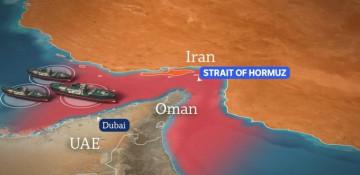
Why is the Strait of Hormuz so important?
The Strait of Hormuz is one of the most strategically important waterways in the world.
A substantial portion of globally traded oil passes through this narrow maritime corridor. Any disruption to shipping in the area could have immediate consequences for energy markets and international trade.
Because of its significance, the strait is often mentioned whenever tensions between Iran and Western powers increase. Security concerns surrounding the waterway frequently become a major focus for governments, naval forces, and commercial shipping companies.
The strategic importance of Hormuz means that even limited incidents can attract worldwide attention.
Could the conflict spread across the region?
One of the primary concerns among analysts and policymakers is the possibility of regional spillover.
The Middle East contains numerous interconnected security relationships, alliances, and rivalries. Events in one country often affect neighboring states, sometimes in unexpected ways.
Escalation could potentially involve additional governments, armed groups, or military coalitions. Such developments would increase the complexity of the crisis and make diplomatic solutions more difficult to achieve.
Although many actors publicly support de-escalation, the risk of miscalculation remains a persistent concern.
How are global financial markets reacting?
Financial markets generally dislike uncertainty, and geopolitical crises often create volatility.
Investors monitor developments in the Middle East because they can influence energy prices, inflation expectations, trade flows, and overall economic growth.
Periods of heightened tension frequently lead to movements in commodities, currencies, stock markets, and government bonds. Safe-haven assets often attract increased interest as investors seek protection from potential instability.
While markets can sometimes recover quickly from geopolitical shocks, prolonged crises tend to generate more sustained economic effects.
Why are shipping routes becoming a major concern?
Global trade depends heavily on secure maritime transportation.
The Middle East sits near several critical shipping corridors connecting Asia, Europe, and Africa. Any disruption affecting these routes can increase transportation costs and delay deliveries.
Shipping companies closely evaluate security conditions when planning operations. Rising insurance costs, rerouted vessels, and logistical complications can all contribute to broader economic consequences.
The vulnerability of maritime trade networks has become increasingly apparent in recent years, making shipping security a central aspect of the current crisis.
How are European countries responding?
European governments generally support diplomatic efforts aimed at reducing tensions and preventing wider conflict.
Many European countries have significant economic interests tied to energy security and regional stability. They also face concerns regarding migration, trade disruptions, and broader geopolitical consequences.
As a result, European leaders often seek to balance security commitments with diplomatic engagement. Their goal is typically to encourage negotiations while simultaneously preparing for potential disruptions.
Europe's response reflects the understanding that instability in the Middle East can have direct consequences for the continent.
What is the position of China?
China has increasingly expanded its presence and influence in the Middle East through economic partnerships, energy cooperation, and diplomatic engagement.
As one of the world's largest energy consumers, China has a strong interest in maintaining regional stability. Beijing generally advocates dialogue and political solutions while emphasizing respect for sovereignty and non-interference.
The crisis presents both challenges and opportunities for Chinese diplomacy. Growing involvement in Middle Eastern affairs reflects China's broader ambitions as a global power.
Observers are closely watching whether Beijing can play a larger mediating role in future negotiations.
How is Russia involved?
Russia maintains relationships with multiple countries throughout the Middle East and has sought to expand its influence in the region over the past decade.
Moscow's strategic interests include security cooperation, energy markets, military partnerships, and diplomatic engagement.
The crisis provides Russia with opportunities to strengthen certain relationships while also presenting challenges associated with regional instability.
Given Russia's broader geopolitical position, developments in the Middle East frequently intersect with larger international rivalries.
Could the crisis affect inflation worldwide?
Yes.
Energy prices play a crucial role in global inflation dynamics. When oil and gas prices rise, businesses often face higher operating costs. These increases can eventually be passed on to consumers through more expensive goods and services.
Transportation, manufacturing, agriculture, and logistics sectors are particularly sensitive to energy costs.
Because inflation remains a major concern for many economies, policymakers are carefully monitoring developments that could create additional price pressures.
What impact could the crisis have on developing countries?
Developing economies often face greater vulnerability to external shocks.
Higher energy costs can strain government budgets, increase import expenses, and reduce economic growth. Countries that depend heavily on imported fuel may experience significant financial challenges if prices remain elevated for extended periods.
Food prices can also be affected because agricultural production and transportation rely heavily on energy inputs.
As a result, the consequences of the Middle East crisis may be felt most strongly in regions far removed from the conflict itself.
Why are military alliances becoming more important?
Periods of geopolitical uncertainty often strengthen the importance of alliances and security partnerships.
Countries seek reassurance through cooperation, intelligence sharing, joint exercises, and defense agreements. Existing alliances may become more active, while new partnerships could emerge in response to changing security conditions.
The current crisis has renewed discussions about deterrence, military readiness, and regional defense architecture.
These developments reflect broader concerns about maintaining stability in an increasingly unpredictable international environment.
What are the main risks moving forward?
Several risks continue to dominate international discussions.
One possibility is further military escalation involving additional countries or actors. Another concern is disruption to energy supplies and shipping routes.
Diplomatic breakdowns could increase uncertainty and reduce opportunities for negotiated solutions. Cybersecurity threats, economic retaliation, and accidental confrontations also remain significant risks.
Many experts believe that miscalculation represents one of the greatest dangers. In highly tense environments, even relatively small incidents can rapidly escalate.
Are there opportunities for diplomacy?
Despite growing tensions, diplomatic channels remain active.
International organizations, regional governments, and major powers continue to explore mechanisms for dialogue and de-escalation. History demonstrates that even severe crises can sometimes be resolved through negotiation when political conditions align.
Diplomatic efforts may focus on confidence-building measures, security guarantees, nuclear issues, humanitarian concerns, or broader regional arrangements.
While success is not guaranteed, diplomacy remains the most viable path toward reducing long-term instability.
Why should ordinary readers care about the crisis?
The Middle East crisis is not merely a regional story.
Its effects can influence fuel prices, inflation, investment markets, supply chains, international travel, government policies, and global security. Decisions made by leaders thousands of kilometers away may ultimately affect household budgets, employment opportunities, and economic conditions around the world.
This direct connection between geopolitical developments and everyday life explains why the crisis has become the most-read international news theme of 2026.
What happens next?
The future trajectory of the crisis remains uncertain.
Several scenarios remain possible, ranging from gradual de-escalation through diplomacy to prolonged confrontation characterized by periodic flare-ups. Much will depend on political decisions made by regional leaders, international mediators, and major global powers.
What is clear, however, is that the Middle East will remain at the center of global attention for the foreseeable future. The combination of strategic geography, energy resources, military capabilities, and geopolitical significance ensures that developments in the region will continue shaping international headlines and influencing global affairs.
For now, governments, businesses, financial markets, and millions of readers around the world remain focused on the same question: whether diplomacy can outpace escalation before the crisis enters a more dangerous phase.
By Faig Mahmudov


Similar news