Extreme weather and climate change: Everything you need to know


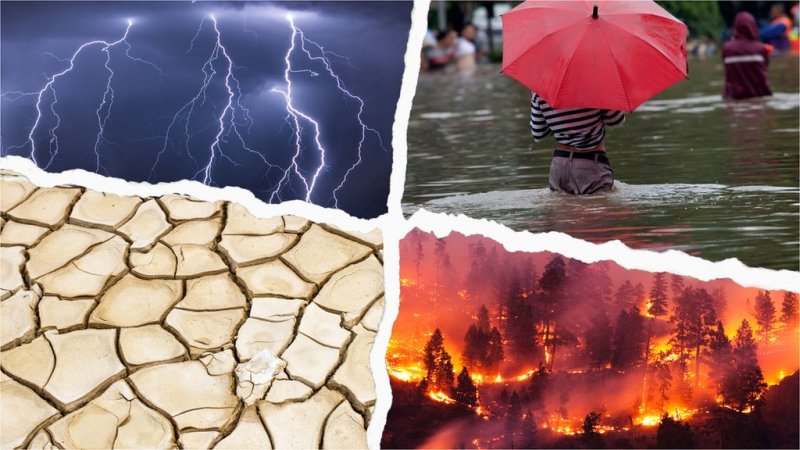
Climate change and extreme weather events have become some of the most widely read topics on international news websites in 2026.
From record-breaking heatwaves and devastating floods to prolonged droughts, wildfires, and severe storms, weather-related disasters are affecting millions of people across every continent.
RECOMMENDED STORIES
Unlike many global issues that primarily concern governments or businesses, climate change directly impacts everyday life. Rising temperatures affect food production, water supplies, energy demand, public health, transportation systems, and economic stability. As extreme weather events become more frequent and costly, readers around the world are increasingly seeking answers about what is happening, why it is happening, and what it could mean for the future.
The growing visibility of climate-related events has transformed environmental reporting from a specialized topic into one of the most important global news themes. Governments, scientists, businesses, and international organizations are all attempting to address challenges that many experts believe will define the coming decades.
This FAQ explainer examines why climate change has become a dominant international story and explores the risks, opportunities, and debates shaping the global conversation.
Why is climate change attracting so much attention in 2026?
Climate change has become a major news topic because its effects are increasingly visible in everyday life.
People are experiencing hotter summers, more intense storms, prolonged droughts, and unusual weather patterns that directly affect communities and economies. Scientific research continues to indicate that global temperatures are rising, while extreme weather events are becoming more frequent and severe in many regions.
As a result, climate change is no longer viewed solely as a long-term environmental issue. It is increasingly seen as an economic, political, security, and public health challenge.
The combination of scientific evidence and real-world impacts has significantly increased public interest.
What exactly is climate change?
Climate change refers to long-term shifts in Earth's temperature and weather patterns.
Although climate has naturally changed throughout history, scientists say the current period of warming is occurring at an unusually rapid pace due largely to human activities.
The burning of fossil fuels such as coal, oil, and natural gas releases greenhouse gases into the atmosphere. These gases trap heat and contribute to rising global temperatures.
Changes in land use, deforestation, and industrial activities also play important roles in altering the climate system.
What are greenhouse gases?
Greenhouse gases are atmospheric gases that trap heat from the sun and prevent it from escaping back into space.
The most significant greenhouse gases include carbon dioxide, methane, nitrous oxide, and certain industrial chemicals.
Without greenhouse gases, Earth would be too cold to support life as we know it. However, excessive concentrations can disrupt the planet's natural energy balance.
Human activities have significantly increased greenhouse gas levels since the Industrial Revolution, contributing to global warming.
Why are temperatures rising?
Scientists generally attribute rising global temperatures to increased concentrations of greenhouse gases.
The widespread use of fossil fuels for electricity generation, transportation, manufacturing, and heating has substantially increased carbon emissions.
As these emissions accumulate in the atmosphere, more heat becomes trapped within the climate system.
The result is a gradual increase in average global temperatures, which can influence weather patterns, ocean conditions, and ecosystems worldwide.
What are the most visible signs of climate change?
Several indicators suggest that the climate is changing.
Average global temperatures have increased, glaciers and ice sheets are shrinking, sea levels are rising, and oceans are becoming warmer.
Many regions are also experiencing more frequent heatwaves, stronger storms, longer droughts, and changing rainfall patterns.
Scientists monitor these trends through extensive data collection and climate modeling efforts.
The growing visibility of these impacts is one reason climate change receives significant media coverage.
Why are heatwaves becoming a major concern?
Heatwaves have emerged as one of the most dangerous consequences of rising temperatures.
Extreme heat can affect public health, increase energy demand, reduce agricultural productivity, and strain infrastructure.
Vulnerable populations, including elderly individuals, young children, and people with pre-existing medical conditions, often face heightened risks during prolonged periods of extreme heat.
Cities are particularly vulnerable because urban environments tend to retain heat more effectively than surrounding areas.
As temperatures continue to rise, many governments are investing in heat adaptation strategies.
How do wildfires relate to climate change?
Wildfires occur naturally in many ecosystems, but changing climate conditions can increase their frequency and intensity.
Hotter temperatures, prolonged droughts, and reduced soil moisture create conditions that allow fires to spread more rapidly.
Large wildfires can destroy homes, disrupt communities, damage ecosystems, and produce significant air pollution.
Recent years have seen major wildfire events in several parts of the world, contributing to growing public concern about climate risks.
Why are floods becoming more common?
Warmer air can hold more moisture, increasing the likelihood of heavy rainfall events.
When intense rainfall occurs over short periods, rivers, drainage systems, and infrastructure may struggle to handle the volume of water.
Coastal flooding can also worsen as sea levels rise.
Floods often cause extensive economic damage, disrupt transportation networks, and create long-term recovery challenges for affected communities.
Because flooding can occur suddenly and affect large populations, it remains one of the most closely monitored climate-related threats.
What is happening to sea levels?
Sea levels are rising primarily because of two factors.
First, warming oceans expand as water temperatures increase. Second, glaciers and ice sheets are melting, adding additional water to the oceans.
Rising sea levels increase risks for coastal communities, infrastructure, ports, and ecosystems.
Some low-lying regions may face growing challenges related to flooding, erosion, and saltwater intrusion.
As more people live near coastlines, sea-level rise has become a major policy concern worldwide.
How does climate change affect agriculture?
Agriculture is highly dependent on weather conditions.
Changes in temperature, rainfall patterns, and growing seasons can influence crop yields and livestock productivity.
Droughts may reduce water availability, while floods can damage farmland and agricultural infrastructure.
Some regions may benefit from longer growing seasons, while others may face increasing challenges.
Ensuring food security under changing climate conditions has become a major priority for governments and international organizations.
Why are food prices affected by extreme weather?
Extreme weather events can disrupt agricultural production and supply chains.
Reduced harvests, transportation disruptions, and infrastructure damage may contribute to higher food prices.
Because food markets are globally interconnected, climate-related events in one region can affect prices elsewhere.
Consumers often feel these impacts through increased costs for essential products.
Food security concerns are therefore closely linked to discussions about climate resilience.
How does climate change affect water supplies?
Water availability is becoming an increasingly important issue in many regions.
Changing precipitation patterns can alter river flows, groundwater recharge, and reservoir levels.
Some areas experience more severe droughts, while others face increased flooding.
Population growth, urbanization, and economic development can further increase pressure on water resources.
Managing water sustainably is expected to become one of the most significant policy challenges of the century.
What impact does climate change have on public health?
Climate change can affect health in multiple ways.
Extreme heat can increase heat-related illnesses and mortality. Air pollution associated with wildfires can worsen respiratory conditions.
Changes in weather patterns may also influence the spread of certain diseases and affect access to clean water.
Mental health impacts can occur following natural disasters and displacement events.
Public health experts increasingly view climate change as an important health issue rather than solely an environmental concern.
Why are businesses paying attention to climate risks?
Climate-related disruptions can affect operations, supply chains, infrastructure, and investment decisions.
Companies are increasingly evaluating physical risks associated with extreme weather as well as regulatory and market changes related to climate policy.
Investors also consider climate risks when assessing long-term business performance.
Many organizations are adopting sustainability strategies to improve resilience and meet evolving stakeholder expectations.
Climate considerations are becoming increasingly integrated into corporate decision-making.
What is the economic cost of extreme weather?
The financial impact of climate-related disasters can be enormous.
Damage to homes, businesses, infrastructure, agriculture, and public services often requires significant recovery spending.
Insurance losses have increased in many regions as weather-related disasters become more expensive.
Economic disruptions can also affect productivity, tourism, transportation, and trade.
These costs explain why governments and businesses are investing more heavily in adaptation and resilience measures.
What are countries doing to reduce emissions?
Many governments have established targets aimed at reducing greenhouse gas emissions.
Common strategies include expanding renewable energy, improving energy efficiency, promoting electric vehicles, investing in public transportation, and supporting technological innovation.
Some countries have introduced carbon pricing mechanisms and stricter environmental regulations.
Although approaches vary, the overall objective is to reduce emissions while maintaining economic growth and energy security.
Why is renewable energy becoming more important?
Renewable energy sources such as solar, wind, hydroelectric, and geothermal power produce electricity with significantly lower emissions than fossil fuels.
Technological improvements and declining costs have accelerated adoption worldwide.
Many governments view renewable energy as a way to address climate goals while strengthening energy security and reducing dependence on imported fuels.
Investment in renewable infrastructure has become a major component of climate strategies.
What is climate adaptation?
Adaptation refers to efforts designed to reduce vulnerability to climate impacts.
Examples include flood defenses, drought-resistant crops, improved water management systems, heat-resistant infrastructure, and disaster preparedness programs.
Even if emissions decline significantly, some climate impacts are expected to continue due to past greenhouse gas accumulation.
Adaptation therefore complements mitigation efforts and plays a critical role in protecting communities.
What is climate resilience?
Climate resilience refers to the ability of societies, economies, and ecosystems to withstand and recover from climate-related shocks.
Building resilience involves planning, investment, infrastructure improvements, and risk management.
Governments increasingly emphasize resilience because extreme weather events cannot always be prevented.
The goal is to minimize damage and accelerate recovery when disasters occur.
Why is climate change considered a national security issue?
Security experts increasingly recognize climate change as a potential threat multiplier.
Resource shortages, food insecurity, water stress, displacement, and economic instability can contribute to social and political tensions.
Military organizations are also assessing how climate impacts could affect operations, infrastructure, and strategic planning.
As a result, climate considerations are becoming more integrated into national security discussions.
What role does technology play in addressing climate change?
Technology is expected to play a crucial role in both mitigation and adaptation.
Innovations in renewable energy, battery storage, carbon capture, artificial intelligence, climate modeling, and sustainable agriculture may help reduce emissions and improve resilience.
Researchers continue to explore new solutions capable of supporting climate objectives while maintaining economic development.
Many experts believe technological progress will be essential for achieving long-term climate goals.
What are the biggest challenges in addressing climate change?
Several challenges remain.
Countries often have different economic priorities, energy needs, and political circumstances. Balancing environmental goals with economic growth can be difficult.
Financing climate projects, supporting developing countries, and ensuring a fair transition for workers and industries also present significant challenges.
Despite these obstacles, many governments continue to pursue climate-related initiatives.
Why are young people especially concerned about climate change?
Younger generations are expected to experience many of the long-term consequences associated with climate change.
As a result, climate issues often rank among their top concerns.
Youth movements have played an important role in raising awareness, influencing public debate, and encouraging policy action.
Their engagement has helped keep climate change at the center of international discussions.
What happens next?
Climate change will likely remain one of the world's most important news stories for decades.
Future developments will depend on scientific advances, government policies, technological innovation, economic trends, and international cooperation.
Extreme weather events are expected to continue shaping headlines, while debates over energy, sustainability, and climate adaptation become increasingly important.
For readers, the issue combines science, economics, politics, security, and everyday life. Few topics have such broad implications for the future of humanity.
That is why climate change and extreme weather remain among the most widely followed subjects on international news websites in 2026 and are likely to stay there for years to come.
By Faig Mahmudov


Similar news